That's So Raven

- Posted in BP04 by

“That’s so Raven… it’s the future I can see.”

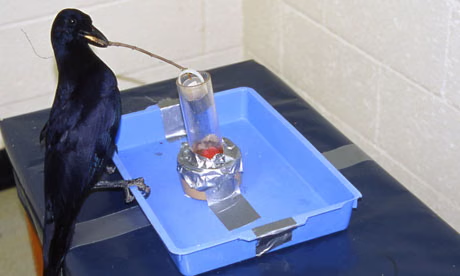
enter image description here The theme song made it sound like the real superpower was predicting the future. But if scientists ever develop technologies that allow humans to borrow traits from other species, my choice would be different. I would not choose wings, sharper eyesight, or animal strength. I would choose a raven’s mind. Ravens are among the most intelligent animals on Earth. They show remarkable abilities in memory, planning, and problem-solving. Thinking about a human-raven hybrid raises an interesting question. What would it mean to borrow intelligence from another species, and what would that say about the boundaries of being human?

Birdbrain, But Like Make It Brilliant

enter image description here Calling someone a “birdbrain” is usually meant as an insult. In the case of ravens and other corvids, the phrase may deserve reconsideration. Researchers have found that these birds possess impressive cognitive abilities that rival those of many mammals. Ravens and crows demonstrate advanced memory, tool use, and long-term planning. Some studies show that corvids can remember thousands of food locations and recognize individual human faces for years (Philp, 2025). They can also share information about threats with other birds, creating a kind of collective memory within their groups. Scientists and philosophers studying animal cognition have begun to ask what the world might feel like from a raven’s perspective. Evidence suggests that corvids possess complex emotional lives and forms of consciousness. They can anticipate the intentions of others, hide food strategically, and remember what they stored, where they stored it, and when they hid it (Veit, 2025). These abilities suggest a mind capable of reflection and planning. If human enhancement technologies ever allowed us to borrow traits from other species, the raven’s cognitive toolkit would offer powerful possibilities.

How Much Humanity Would I Trade?

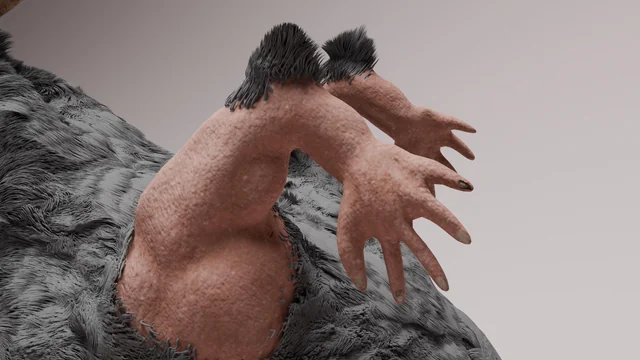
enter image description here Even with those abilities, I would not want to become completely raven-like. The idea of hybridization becomes interesting when it pushes the boundaries of humanity without fully replacing it. If this hypothetical technology existed, I would choose a mostly cognitive hybridization. My body and social identity would remain human. The traits I would borrow involve memory, spatial awareness, and the ability to plan strategically across long stretches of time. This kind of hybrid identity connects with ideas we’ve explored throughout the course. Haraway’s cyborg theory argues that boundaries between human and nonhuman identities are more flexible than we often assume. Hybrid identities can challenge rigid categories and open new ways of thinking about personhood. Works such as Blade Runner and Ghost in the Shell raise similar questions. Characters who possess artificial bodies or enhanced cognition still display memory, emotion, and self-awareness. These stories suggest that humanity may depend less on biological origin and more on conscious experience. Borrowing the mental abilities of a raven would push that idea further and invite us to rethink which qualities truly define being human.

I'm So Raven?

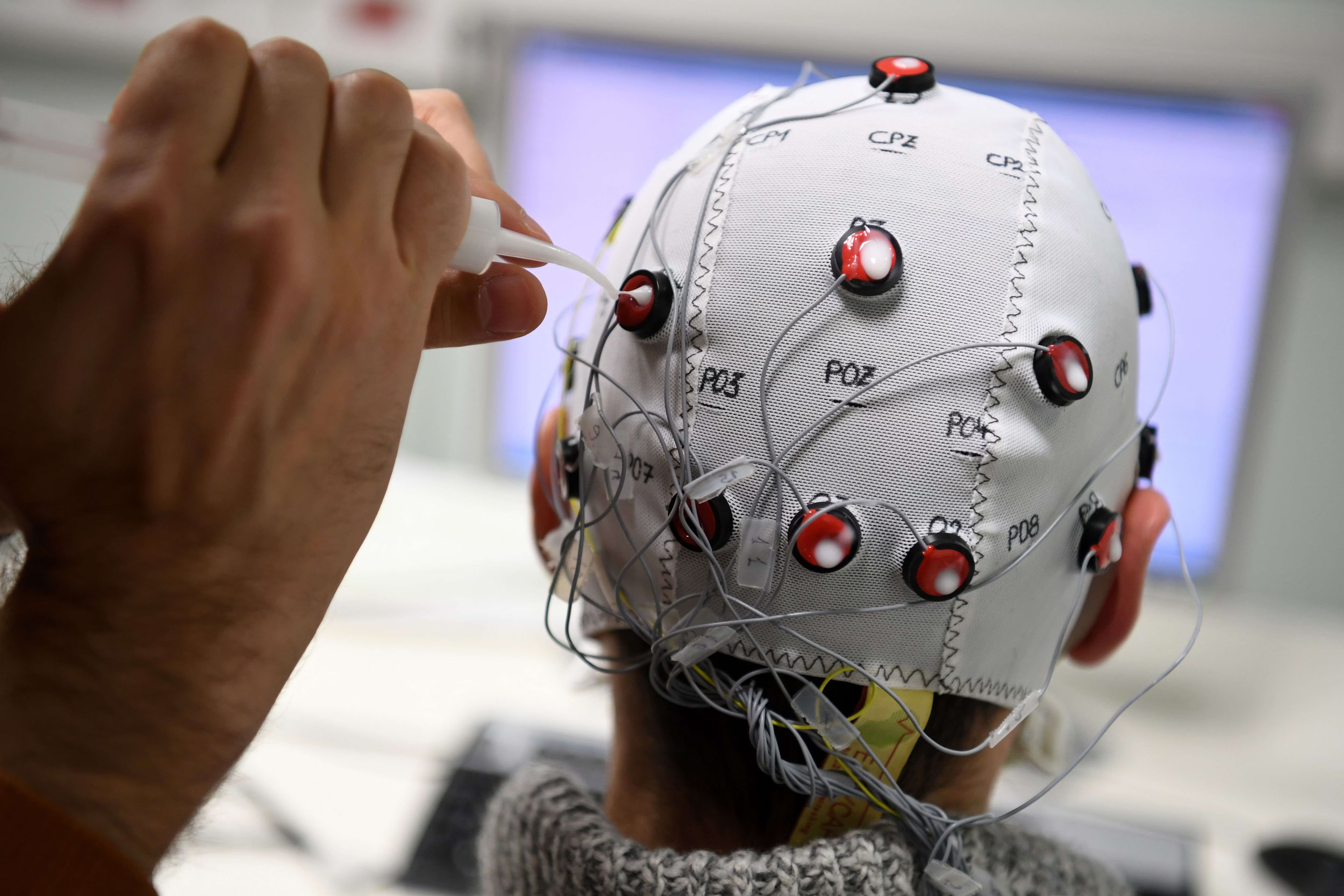
enter image description here The larger question involves access. If technologies could enhance human abilities by combining traits from other species, who would actually receive those upgrades? Current discussions about human enhancement already raise ethical concerns. Technologies such as brain-computer interfaces or cognitive augmentation could produce individuals with significantly improved abilities, which may reshape power structures in areas like warfare, labor, and education (“Reports on Military Medicine Findings”, 2025). Researchers also warn that access to enhancement technologies may depend heavily on financial resources. If these technologies remain expensive, they could widen existing social inequalities by allowing wealthy groups to enhance their capabilities while others remain excluded (“Chongqing University Researchers”, 2025). In that case, the future might resemble many cyberpunk stories in which technological upgrades become another way to reinforce social hierarchies. Thinking about a “raven upgrade” therefore raises broader questions about the future of human enhancement. If humans gain the ability to borrow the strengths of other species, the benefits may depend on how societies regulate and distribute those technologies.

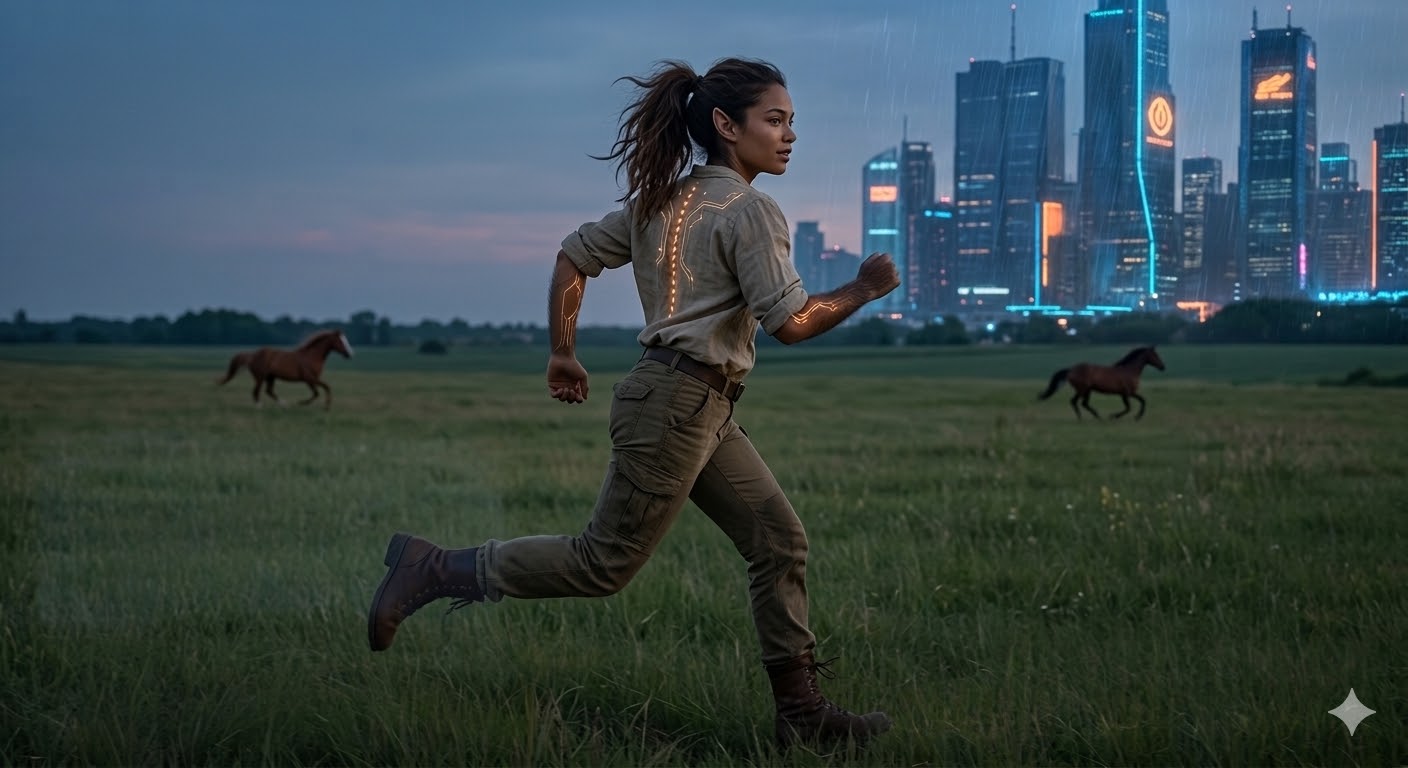
Maybe the theme song captured something important after all. The future might be something we can see approaching. Understanding how we choose to evolve may matter more than predicting what comes next.


References

Philp, T. (2025, September 27). Intelligence of these birds is something to crow about. Brantford Expositor. https://advance.lexis.com/api/document?collection=news&id=urn%3acontentItem%3a6GV6-Y033-RRPR-41V5-00000-00&context=1519360&identityprofileid=NZ9N7751352

Veit, W. (2025, May 23). What's it like being a raven or a crow? The Conversation - United Kingdom. https://advance.lexis.com/api/document?collection=news&id=urn%3acontentItem%3a6FW7-1473-RRW3-23W4-00000-00&context=1519360&identityprofileid=NZ9N7751352

(2026, February 9). Reports on Military Medicine Findings from University of Massachusetts Lowell Provide New Insights (Enhancing Soldiers for Future Warfare: Good Science; Bad Ethics?). Defense & Aerospace Daily. https://advance.lexis.com/api/document?collection=news&id=urn%3acontentItem%3a6HW3-G6Y3-SCJW-H1PG-00000-00&context=1519360&identityprofileid=NZ9N7751352

(2025, July 28). Chongqing University Researchers Provide New Data on Legal Issues (Research on Equality Issues and Legal Governance of Emerging Bioenhancement Technologies). NewsRx Policy and Law Daily. https://advance.lexis.com/api/document?collection=news&id=urn%3acontentItem%3a6GC9-1KT3-RT4V-W3T1-00000-00&context=1519360&identityprofileid=NZ9N7751352


AI Attestation

The content of this post is my own, and AI was used only to assist with planning and editing.

What if Humans Could Fly

- Posted in BP04 by

There are some questions people are asked at least once in their lives, such as “What animal would you want to be?” Now, imagine a future where this question is no longer hypothetical, and technology actually allows humans to adopt traits from animals. If I had the opportunity to choose one animal to adopt a trait from, I would choose a bird. My choice is based on birds’ ability to fly. I imagine it would provoke a feeling of freedom, and being high in the sky, far from the turbulence of life on the ground, must be peaceful. However, such a possibility would also raise deeper questions about identity and what it really means to be human.

Hybridizing to certain extent

Since I was a kid, I’ve always been fascinated with flying. I would have dreams about it and imagine a reality where I would be able to do it. Even today I still think about how being able to move through the sky could offer a sense of independence and perspective that is impossible on the ground. Personally, if this technology existed, I would not want to completely transform into a bird. I would only want the ability to fly. This would probably require wings and a lighter body, but I would want to keep the change minimal. The goal would not be to become something else, but to expand what the human body can do. However, even small changes like this can raise deeper questions about where the boundary between human and nonhuman begins.

Humanity beyond the physical

One of these questions that comes to my mind is what actually defines being human. If the ability to fly changes the body, does it really change who someone is? For me, humanity is not defined only by our physical form and traits, but by our consciousness and our memories. Think about it with me, a person with wings would still have the same thoughts, relationships, and identity that existed before the transformation. This situation is similar to what happens with the character Major Kusanagi in Ghost in The Shell, whose body is almost entirely cybernetic, but she continues to question what makes her truly herself. Even though her body is artificial, her thoughts, memories, and sense of identity are the same, which suggests that what defines a person might not be their physical body, but their consciousness. In the same way, gaining the ability to fly would change my body, but it would not change who I am as a person.

Connecting to course teams: Haraway and Blade Runner

Donna Haraway in A Cyborg Manifesto argues that technology challenges some boundaries that once were considered stable, such as the boundary between human and machine. At the same time, if it was possible for humans to adopt traits from animals, such as a human with wings, we would see another rigid boundary getting blurred - the one between human and animals. Additionally, the movie Blade Runner addresses how society would see these changes. In the film, the replicants are almost indistinguishable from humans, but still, they are treated as outsiders and hunted down by the Blade Runners. This represents how this debate goes beyond physical and even psychological characteristics, indicating that humanity is defined socially and politically, not just biologically. In the same way, human-animal hybrids’ humanity might be judged based on how the changes and upgrades affect society, making this another political discussion.

The Social Perspective

Another perspective that is important to consider if this technology becomes available is about accessibility - who would have access to it? Just like other advanced technologies, the access would probably be limited to people and groups with greater financial resources. A real example of this can be seen in sports. Researchers like sports ethicist Andy Miah argue that emerging biomedical and genetic technologies can offer unfair advantages to athletes. If some could have access to speed, endurance, and strength upgrades, the game would no longer be fair. The same would happen with human-animal hybrids. If some people could upgrade their bodies and others couldn’t, it would contribute significantly to increasing inequality in our society. Those with access would have physical and psychological advantages over others, raising ethical debates about justice and fairness.

Sources

Haraway, D. (1985). A cyborg manifesto: Science, technology, and socialist-feminism in the late twentieth century. Socialist Review.

Miah, A. (2004). Genetically modified athletes: Biomedical ethics, gene doping and sport. Routledge.

Scott, R. (Director). (1982). Blade runner [Film]. Warner Bros.

Shirow, M. (1989). Ghost in the shell. Kodansha.

AI Attestation: No use of AI for the creation of this post

blogpost#4 Human–Wild Horse Hybrid

- Posted in BP04 by

Connection to Horses and Nature

If a safe technology existed that allowed humans to take on animal characteristics, I would choose to become a human–wild horse hybrid. This choice is not random for me. Since I was a child, I have always loved horses. I grew up on a farm surrounded by nature, animals, and open land. Some of my favorite memories are watching horses run across the fields and feeling the peaceful atmosphere of the countryside.

Growing up in that environment created a strong connection between me and nature. Life on a farm feels very different from life in cities. There is more space, more silence, and more time to observe animals and the natural world. For me, being around horses always brought a feeling of freedom and calm. Because of that experience, the idea of sharing some of their abilities feels very meaningful. If I could become a hybrid, I would not want a complete transformation. I would prefer moderate changes, such as greater endurance, stronger muscles for running long distances, and heightened awareness of the environment. Horses have incredible stamina and balance, which would allow humans to move through the world in a very different way.

enter image description here

This thought experiment connects strongly with ideas in cyberpunk theory. The scholar Donna Haraway wrote about the concept of the cyborg, which challenges the boundaries between humans, animals, and machines. According to her argument, these boundaries are not always as clear as society assumes. A human–animal hybrid would represent another example of those boundaries becoming flexible. Cyberpunk stories often explore similar questions. In the film Blade Runner, artificial humans known as replicants challenge the idea of what makes someone truly human. They look and behave like people, but society treats them differently because they were created through technology. The anime Ghost in the Shell raises similar questions by showing characters whose bodies are heavily enhanced with cybernetic parts while their consciousness remains human.

In the case of a human horse hybrid, the question becomes, does changing the body change who we are? Personally, I believe that humanity comes more from our consciousness, emotions, and memories than from our physical appearance. Even if someone had horses like strength or speed, they could still be human if they kept their values, relationships, and ability to think critically. However, technologies that enhance humans could also create serious social problems. In many cyberpunk stories, advanced technologies are controlled by powerful corporations or wealthy individuals. This creates a world where some people become enhanced while others are left behind.

The Social Impact

If hybrid technology became real, access would likely depend on money and power. Wealthy individuals might use enhancements to gain advantages in sports, work, or military power. Meanwhile, people without access could fall even further behind. According to the Pew Research Center, experts studying human enhancement warn that these technologies could increase social inequality if they are not distributed fairly. This issue reflects one of the major themes in cyberpunk, technology can improve life, but it can also create new forms of inequality and control. Even with these risks, the idea of hybridization also invites us to think differently about our relationship with nature. Horses experience the world through movement, instinct, and awareness of their surroundings. Sharing some of those abilities might help humans reconnect with nature in ways that modern technology often separates us from. For someone like me, who grew up on a farm, that connection is already meaningful. The feeling of being close to animals and the land is something that has stayed with me throughout my life. Becoming a human wild horse hybrid would symbolize a deeper relationship with the natural world rather than a rejection of humanity. In the end, cyberpunk stories remind us that the future will likely blur the boundaries between humans, animals, and machines. The real challenge will not just be developing new technologies but deciding how to use them responsibly while protecting our humanity.

References

July 26, 2016,Human Enhancement,The Scientific and Ethical Dimensions of Striving for Perfection.

ByDavid Masci https://www.pewresearch.org/?p=93874

Scott, R. (Director). (1982). Blade Runner

Ghost in the shell, (F. Schodt, Trans.),(Original work published 1991)

AI tools were used to create image. The personal experiences, opinions, and final content of this post reflect my own thinking and writing.

Owl Be Seeing You: Rethinking Human Enhancement

- Posted in BP04 by

If a safe and reversible technology existed that allowed humans to incorporate animal traits, I would choose to hybridize with the Great Horned Owl (Bubo virginianus). This owl is one of the most adaptable nocturnal predators in North America, known for extraordinary night vision, precise hearing, and silent movement. Unlike many animals that rely primarily on speed or strength, the great horned owl combines perception, patience, and environmental awareness. These traits make it an ideal model for enhancement because they expand human sensory capacity without completely replacing human identity.

What Happens When Humans Go Owl

My transformation would involve moderate enhancements rather than a complete physical transformation. For example, I would retain a human body but gain improved low light vision, sharper directional hearing, and greater agility. Owls possess forward facing eyes that allow strong depth perception, and their eyes are specialized for seeing in extremely low light. In a hybrid form, this could translate into slightly larger human eyes with enhanced light sensitivity, allowing someone to navigate almost effortlessly at night. Similarly, owls have asymmetrical ears that help them locate the exact direction of a sound. A hybrid could develop heightened auditory awareness, essentially the ability to detect subtle movements or changes in the environment.

Beyond physical adaptations, the owl also represents cognitive and behavioral intelligence. Owls are known for strong spatial memory and strategic patience when hunting. A hybrid version of these traits could translate into improved situational awareness, better environmental mapping, and calmer decision making under pressure. Rather than becoming a predator in the literal sense, these characteristics would strengthen human abilities related to perception, strategy, and survival.

This idea reflects the theory of the cyborg developed by Donna Haraway in A Cyborg Manifesto, where she argues that modern technology disrupts rigid boundaries between humans, animals, and machines. Haraway’s cyborg is not simply a robot human hybrid. It is a symbol of how technological societies dissolve traditional categories. A human owl hybrid would embody this concept by demonstrating that identity is not fixed but constantly evolving through science and culture.

The Human Question

Even with these enhancements, I would not want to lose what I consider the core elements of humanity. For me, humanity is defined by consciousness, emotional depth, and the ability to make moral decisions rather than acting purely on instinct. This question reflects the philosophical issues explored throughout our course. In Blade Runner, replicants possess memories and emotions, which forces society to question whether biological origin truly determines what is human. Similarly, Ghost in the Shell asks whether a person remains human when most of their body becomes technological, suggesting that identity may lie more in consciousness than in physical form.

Another philosophical issue related to this discussion is the Ship of Theseus paradox. The paradox asks whether something remains the same object if all of its parts are gradually replaced over time. Applied to human enhancement, this raises an important question. If we slowly replace biological capabilities with enhanced ones, does the person remain the same individual? My owl hybrid would preserve human consciousness and identity, but the paradox highlights how technological changes could blur the boundary between improvement and transformation. The goal would not be to abandon humanity but to expand its capabilities.

Who Gets the Upgrade?

However, the most important question surrounding enhancement technology is not simply what it can do but who gets access to it. Throughout history, new technologies, from advanced medical treatments to genetic engineering, have rarely been distributed equally. Scholars studying human enhancement warn that these technologies could deepen existing inequalities if access is restricted to wealthy or powerful groups. If access to enhancement technologies were controlled by governments, corporations, or wealthy individuals, enhanced people could gain advantages in education, employment, or physical performance. Over time, this could produce a new form of stratification where biological capability becomes tied to economic power.

One bioethics analysis explains that if enhancement technologies become limited by wealth, society could experience “a new form of social stratification, where individuals who are genetically or cognitively enhanced hold significant advantages in health, intelligence, and physical abilities.” (Gerardi & Christodoulos Xinaris, 2025). In other words, enhancements could create a biological class system between the enhanced and the unenhanced. As an African American individual, this concern is particularly important to me because technology has historically reproduced existing social inequalities. Structural racism has shaped access to healthcare, education, and advanced medical treatments. If enhancement technologies followed the same pattern, marginalized communities could once again be excluded from life changing innovations. In that scenario, enhancement would not simply improve human ability. It could reinforce racial and economic disparities.

Critics of transhumanism also warn that unequal access might produce an even wider gap between social groups. According to research on emerging biomedical technologies, enhancements could “create a two tiered society where the ‘enhanced’ enjoy greater advantages in education, employment, and other opportunities.” This concern is not purely theoretical. Even today, access to advanced medical procedures, gene therapies, and cognitive technologies often depends on financial resources.

At the same time, some scholars argue that enhancement technologies could also reduce inequality if they are distributed equitably. The Pew Research Center reports that proponents believe enhancements could help compensate for natural disadvantages or disabilities and potentially “bring people who have natural inequalities up to everyone else’s level.” Ultimately, whether these technologies worsen or reduce inequality depends largely on political decisions about regulation and access.

The Future of Being Human

The idea of a human owl hybrid may sound futuristic, but it reflects real debates about human enhancement, biotechnology, and identity. Technologies such as genetic editing, neural implants, and performance enhancing medicine already raise questions about how far humans should modify their bodies. These developments force society to reconsider what it means to be human in an era where biology can increasingly be redesigned.

The owl hybrid illustrates both the promise and the risk of these technologies. Enhanced perception, agility, and awareness could help humans adapt to new challenges and environments. At the same time, the social consequences of unequal access could reshape society in ways that mirror or even intensify existing inequalities.

Ultimately, the most important question is not whether humans can enhance themselves but how responsibly we choose to do it. If humanity moves toward a future of biological enhancement, the goal should not be to create a superior class of individuals. Instead, these technologies should expand human potential while preserving fairness, empathy, and the shared moral values that define our humanity.

AI Attestation

Artificial intelligence tools were used in the development of this blog post to assist with brainstorming ideas, organizing the structure of the argument, and reviewing the writing for grammar, clarity, and flow. Specifically, a generative AI language model, ChatGPT (GPT-5.3, OpenAI), was used to help refine wording, suggest title variations, and provide minor editing feedback. https://chatgpt.com/share/69acb809-e04c-8009-9aa5-0fce43cf2320

References

Gerardi, C., & Christodoulos Xinaris. (2025). Beyond human limits: the ethical, social, and regulatory implications of human enhancement. Frontiers in Medicine, 12. https://doi.org/10.3389/fmed.2025.1595213

Masci, D. (2016, July 26). Human Enhancement. Pew Research Center. https://www.pewresearch.org/?p=93874

Shao, S., Wu, J., & Zhou, Q. (2021). Developments and challenges in human performance enhancement technology. Medicine in Novel Technology and Devices, 12, 100095. https://doi.org/10.1016/j.medntd.2021.100095
Bird's Eye View

- Posted in BP04 by

Apex Vision

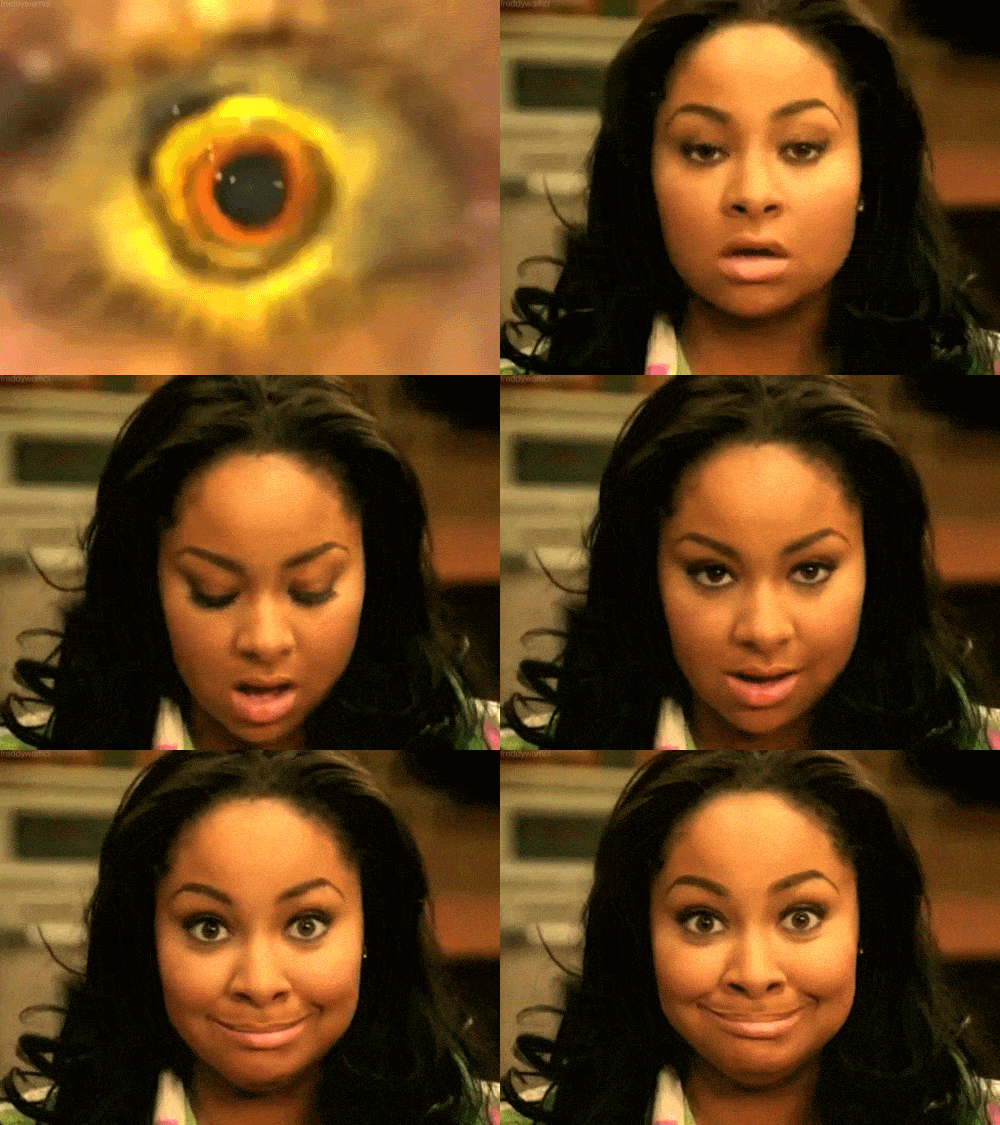
To have the thought that a human can remove an eye and replace it with a robotic eye to give a vision beyond what a human can see seems rather close to happening. However, the chances of that in a safe and a reversible procedure seems very difficult. But if I did have to choose, I would go for an eagle. The only portion I suggest to have and it isn't what most would want such as its wings, I on the other side want its cognitive peak focus. While an eagle is known to have immaculate eyesight and have beyond 20/20 shaper vision. For one to have the eye sight of an eagle means to have such sharper detail and a different perception of the world.

enter image description here

The Bald Eagle

In a sense not only is an eagle known for its physical traits hence the reason why it is the National bird of The United States of America, "The bald eagle represents freedom, strength, courage, and independence." I have a heightened experience and to see the world in a different perception to me seems like a way to cancel out all the noise and just focus on what matters to a bird. But to not be picky, I truly would want just the bird's eye vision to escape the thoughts of remembering

enter image description here

The question remains, how much humanity would I be willing to give up is more complex. While prosthetics or a medical implant would be the route to take if ever considered, technology has become so advanced that to differentiate between what is real and what is artificial seems hard to decipher. But to think more realistically, if we do have the technology to make these alterations and maybe not take the eye out of an eagle, but to fabricate one to have the same feeling can be a route to take. However, it is then a person should be aware that they are human and not consumed by artificial intelligence.

In comparison to my beliefs and values, self-awareness is deeply rooted in me. To be able to make human connections and use what was gifted to me naturally, I am also thankful for. But many can wish to have the abilities like an eagle to fly or even see so clearly. But the power to see farther than one should does not mean they should lose the ability to feel disconnected with the human race.

The scary part to even take part of this is that it may be even possible for the wealthy to do. However, those in low income communities would be left out when in a world of advancement that could possibly take part in a competitive job seeking. Over time, this could create a biological divide between those you can find the funds to take this operation against those can not. While an eagle-like enhancement would simply be a step forward to technology advancement, I would consider myself a human with a clear train of thought and being ok with having less than a 20/20 vision....then again that's what contact lenses are for.

Reference:

AI was used to create images

https://chatgpt.com/share/69accdd3-7b70-8003-a3aa-3ff05e664658

The American bald eagle the Bald Eagle has been the National Bird. (n.d.-e). https://www.va.gov/opa/publications/celebrate/eagle.pdf

Visual learning: An interview with James Dicarlo | AI in Neuroscience. (n.d.-g). https://www.liebertpub.com/doi/full/10.1089/ains.2024.0002

Everyone's Favorite Media: Fox News

- Posted in BP04 by

Everyone's Favorite Media:

Fox News

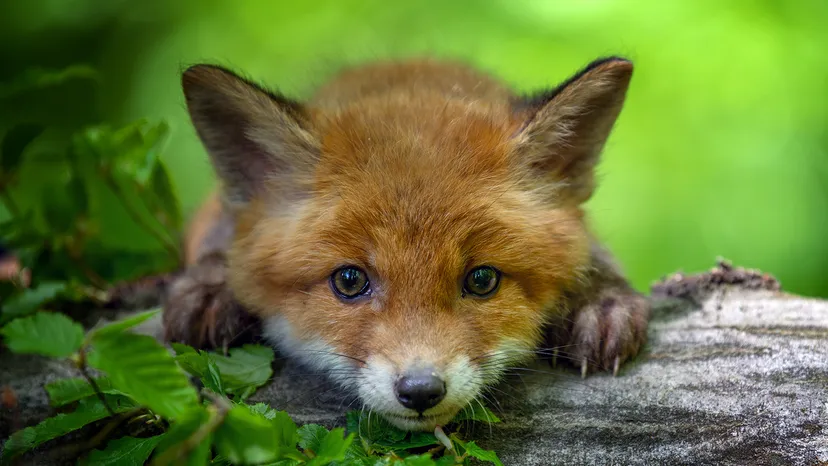
An adorable baby fox, peering over a fallen log.

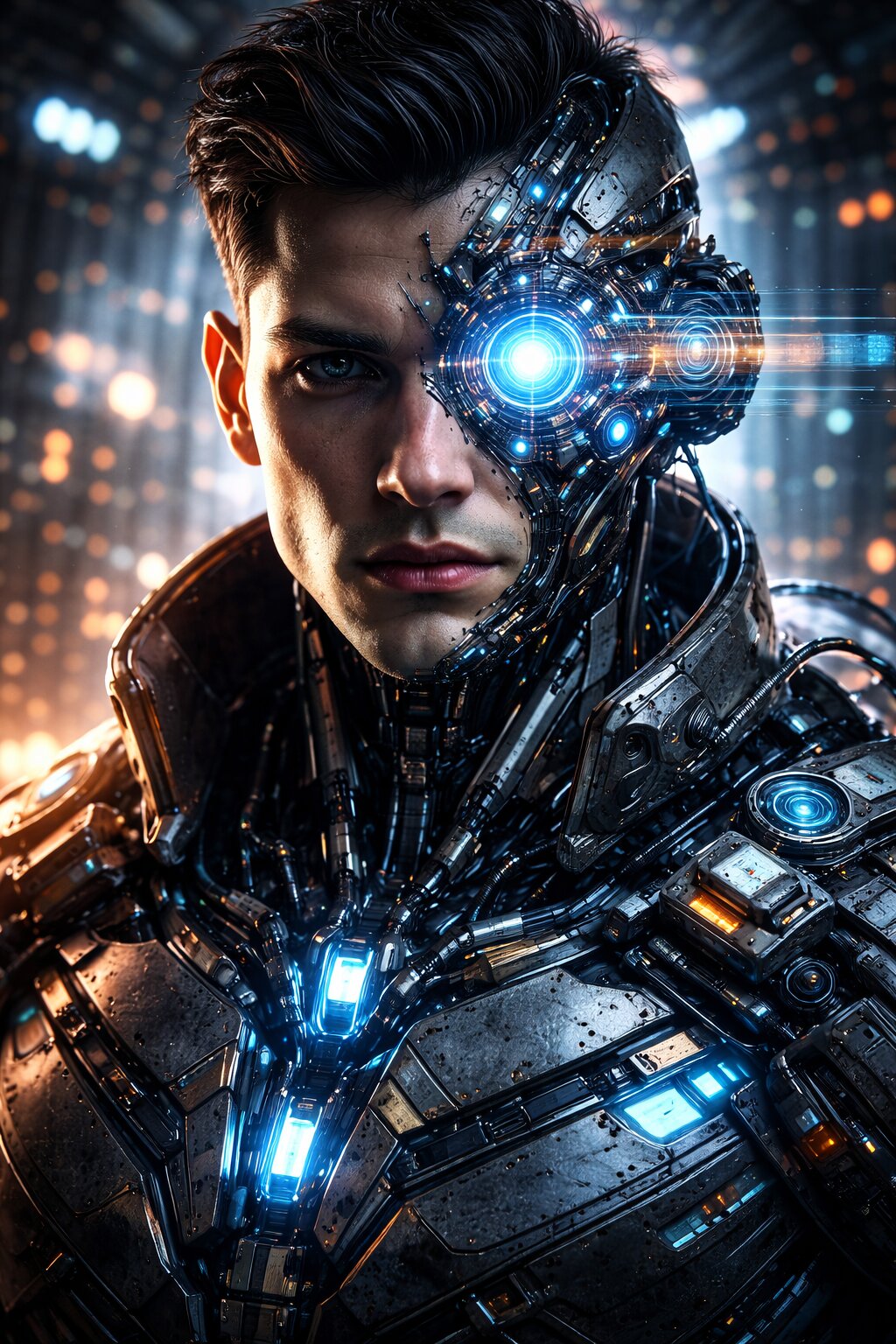
In a perfect transformation, through whatever magical creations that be, I would choose to blend my humanity with the cunning, quiet intelligence of a fox. This is most definitely influenced by my eternal love for foxes, which is perfectly normal and surely not embarrassing at my decrepit age.

What It Might Look Like

enter image description here

  • Cognitive enhancement: Sharpened perception, hyper-awareness of surroundings, and an intuition for patterns invisible to the human eye (Malkemper & Peichl 2018).
  • Physiological adaptation: Agility, stealth, and endurance. Foxes are able to move through dense forests, urban landscapes, or tight spaces with ease, so a human would appear hyper-agile and incredibly silent (Oehler et al. 2025).
  • Behavioral shift: Playful curiosity paired with careful observation; foxes have a knack for reading social and environmental cues, and are intelligent enough to amuse itself through learning and engagement (Eaton, Billette, & Vonk 2020).

Note that, in spite of the behavior being animal-originating, every facet that I wish to use has a basis in humanity. I don't want to replace my humanity; I want to expand it, with the attitudes and behaviors of the common fox acting as my enhancer.

Why the Fox?

Besides being the best animal to ever exist, foxes are already, in a highly subte and nuanced way, posthuman in the Haraway sense.

Foxes act as masters of adaptation, as they have the ability to thrive in rural and urban areas, with their coats able to blend seamlessly with the seasonal change. Foxes can combine solitude with social awareness; they hunt alone, but form networks when needed. They're infamously intelligent, flexible, and communicative.

In other words: foxes and humans are much more similar than one might think.

Foxes and Cyborgs

A cyborg is, objectively, a transformation. A fox-human hybrid completely embodies the challenging of boundaries between human and animal, especially when focusing on the areas of overlap.

Foxes and Replicants

Replicants ask the question: What makes something human enough?

Transforming into an "updated" person through the transformation into a fox's persona demands the same concern. I would always identify as human, especially if I maintained control over my psyche, but since much of a fox's skills lies within their cognitive and behavioral distinctions, an element of my cognition would definitely be impaired.

Foxes and Ghost in the Shell

Major Kusanagi's main internal conflict rests within her fight to accept and understand where her consciousness, as a cyborg, truly resides. If perception is multi-sensory and instinctual, thereby relying on something other than internal thoughts or human emotion, then consciousness itself would have to hybridize.

If identity and a person's consciousness are intertwined, as I have argued on multiple occassions, then merging with an animal as clever as the fox would mean the unquestionable alteration of consciousness. Thus, identity would have to be changed; I wouldn't truly be human, even if I would naturally wish to call myself one, because my very core has been altered.

The Expansion of Humanity

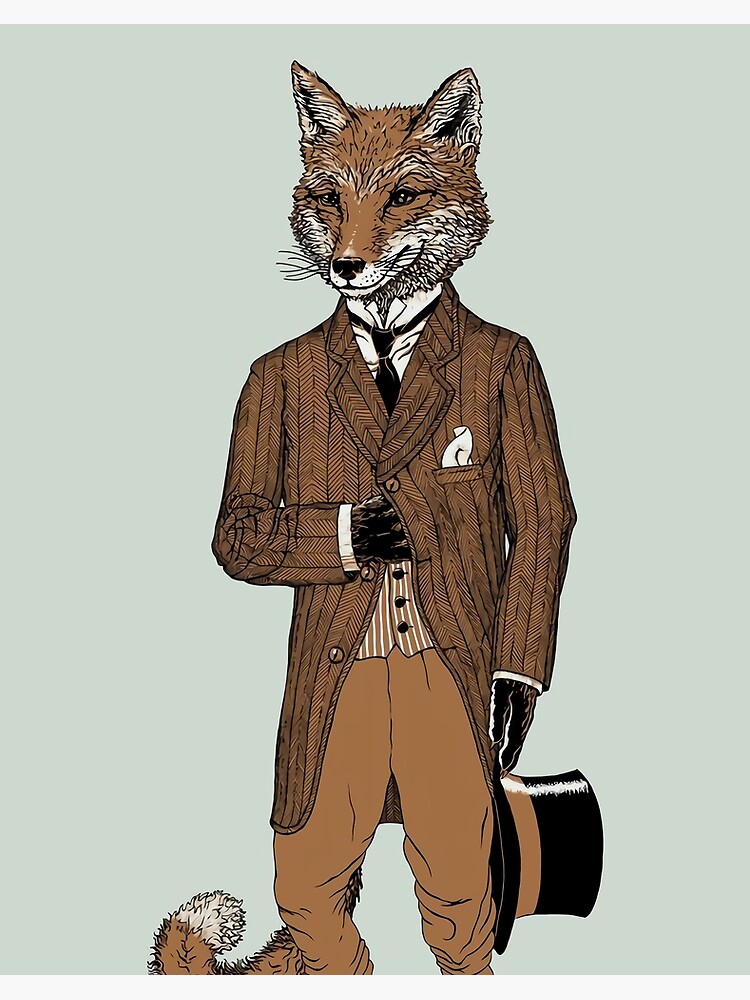
enter image description here

As stated earlier, a fox and a human overlap in personal traits frequently enough that the combination would create an expansion and enhancement of a human basis. However, since that very enhancement would take the form of a new mentality within an individual, an entirely new being would have to be born.

Foxes are incredible creatures. For all their faults, humans are decent enough. Blending the two would demand the emergence of something new; as much as we may want to maintain hold of our humanity, I firmly believe that human nature is too heavily linked to our thoughts, memories, and emotions. Foxes, as creative and resourceful and thoughtful as they are, would undoubtedly unravel that very boundary, leaving only one way to preserve one's hold on their humanity: utter delusion.

References

Eaton, T., Billette, P., & Vonk, J. (2020). Are there Metacognitivists in the Fox Hole? A Preliminary Test of Information Seeking in an Arctic Fox (Vulpes lagopus). Behavioral Sciences, 10(5), 81. https://doi.org/10.3390/bs10050081.

Malkemper, E. P., & Peichl, L. (2018). Retinal photoreceptor and ganglion cell types and topographies in the red fox (Vulpes vulpes) and Arctic fox (Vulpes lagopus). The Journal of Comparative Neurology, 526(13), 2078–2098. https://doi.org/10.1002/cne.24493.

Oehler, F. et al. (2025). How do red foxes (Vulpes vulpes) explore their environment? Characteristics of movement patterns in time and space. Movement Ecology, 13(1), 4. https://doi.org/10.1186/s40462-024-00526-1.

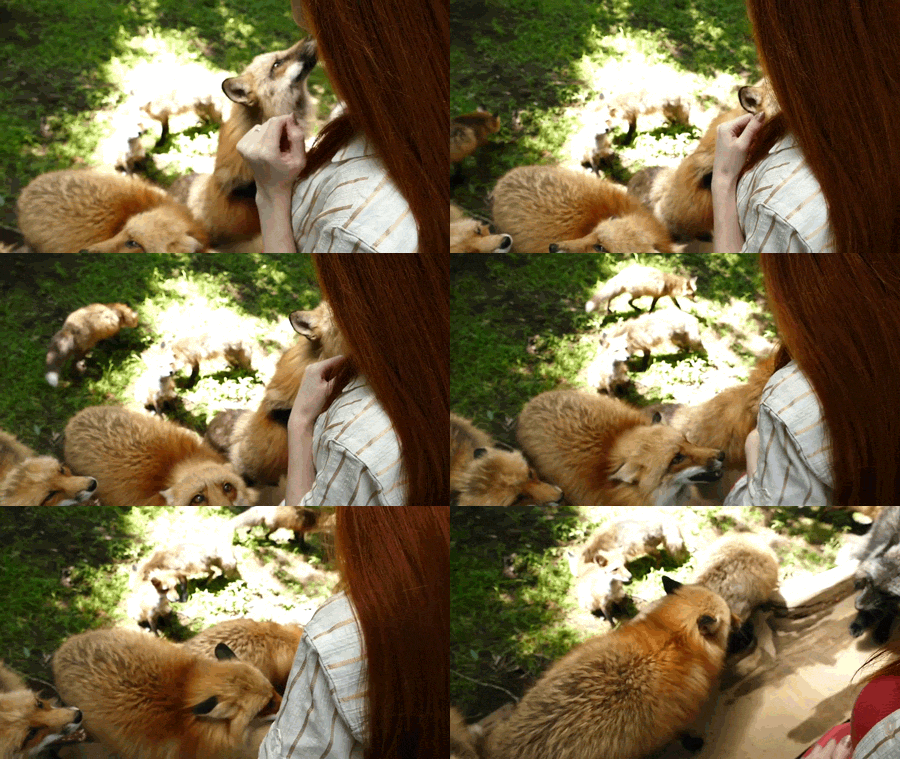
AI Attestion: I did not use AI in any way during the creation of this post. I obtained the photos and gif from Google Images, and attempted to choose what I hoped was not generated through AI images. If any of the pictures or the gif was created through artificial technology, I was unaware!

Year of the Horse

- Posted in BP04 by

Imagining the Posthuman

Cyberpunk stories often explore the moment when the boundaries between human and nonhuman begin to disappear. Donna Haraway’s idea of the cyborg challenges the belief that humans exist separately from technology, animals, and machines. Instead, she argues that modern society already blurs those lines in many ways (Haraway, 1985). Stories like Blade Runner and Ghost in the Shell continue this conversation by asking difficult questions about identity, consciousness, and what it actually means to be human.

Thinking about these ideas leads to an interesting thought experiment. If safe and reversible technology existed that allowed humans to hybridize with animals, how far should we go? What would we gain, and what might we lose? While this idea may sound like science fiction, it forces us to reflect on the deeper question cyberpunk constantly asks: what defines humanity when the boundaries of the body can be changed?

Why I Would Choose a Horse

If I could hybridize with an animal, I would choose a horse, similar to the centaurs in Greek mythology. Horses represent speed, strength, and freedom. They are also some of the most noble animals in the natural world. Horses are known for their loyalty and their connection with humans, and I think that loyalty is a trait that could benefit humanity beyond just physical improvements.

Hybridizing with a horse would not only provide practical advantages like speed and stamina, but it would also symbolize something deeper. Horses represent independence and movement, the ability to travel long distances and explore the world freely. That sense of freedom is something that many people today feel they lack in modern society.

At the same time, this choice feels more grounded than some other possibilities. Becoming something like an octopus might be fascinating, but it would also drastically change how a person exists and interacts with the world. A human-horse hybrid feels like a balance between transformation and familiarity.

How Much Should We Change?

If I had the choice, I would only transform half of my body, specifically my legs and the lower part of my torso, similar to a centaur. This would provide the physical advantages of a horse such as greater speed, endurance, and strength, without completely removing the human aspects of identity.

This balance is important. Enhancement technologies should improve human abilities without completely erasing what makes us human in the first place. A transformation that changes too much might lead to a loss of connection with our own humanity.

Cyberpunk stories often explore this exact tension. In Ghost in the Shell, characters struggle with the idea that their bodies can be replaced with cybernetic parts while their consciousness remains the same. At what point does someone stop being human? That question becomes even more complicated when physical changes alter how we experience the world.

What Defines Humanity? For me, humanity is not just about physical biology. Humanity is defined by the ability to think beyond immediate situations and consider the well-being of others. It means being able to act selflessly and make decisions that benefit both our communities and the global population.

To be human means showing compassion, protecting others, expressing humility, and recognizing that our actions affect more than just ourselves. Humanity is the ability to care, to protect, and to cooperate with others in order to create a better world.

Even if technology changes our bodies, these qualities should remain at the center of what defines us.

The Problem of Access and Inequality

One of the biggest issues with enhancement technology is access. In many cyberpunk stories, new technologies are controlled by powerful corporations or governments, which creates massive inequalities between those who can afford enhancements and those who cannot.

In my view, if this kind of hybridization technology existed, access should be equal for everyone who wants it. The improvements should be standardized so that no one gains unfair advantages over others. Without equal access, society could easily divide into enhanced and non-enhanced populations, which would create new forms of inequality.

Philosopher Nick Bostrom has warned that human enhancement technologies could eventually create social divisions between enhanced and non-enhanced individuals (Bostrom, 2005). Cyberpunk stories often show how dangerous that divide can become.

New Forms of Discrimination

Even if the technology were accessible to everyone, it could still create new social tensions. Some people might choose to hybridize while others might prefer to remain completely human. This difference alone could lead to discrimination or cultural divisions.

There are also practical questions to consider. For example, if the transformation were reversible, some people might want to switch back and forth between forms depending on their lifestyle or needs. Others might feel strongly that changing the human body at all crosses an ethical line.

Because of these possibilities, hybridization technology would not just change individuals, it would reshape society itself.

Conclusion

The possibility of human–animal hybridization raises deep questions about identity, ethics, and equality. While the idea of becoming a horse-human hybrid could provide physical advantages like speed and stamina, it also forces us to think about what parts of humanity we want to preserve.

Cyberpunk stories remind us that technological progress always comes with consequences. The real challenge is not just what technology can do, but how humanity chooses to use it. No matter how advanced enhancement technologies become, the qualities that define humanity like compassion, cooperation, and responsibility should remain at the center of our decisions.

AI Attestation: I attest I did not use AI to generate this post

References: Haraway, D. (1991). 1 Donna Haraway, "A cyborg manifesto: Science, technology, and socialist-. https://www.sfu.ca/~decaste/OISE/page2/files/HarawayCyborg.pdf

Bostrom, N. (2005). A history of transhumanist thought. Journal of Evolution and Technology. https://nickbostrom.com/papers/a-history-of-transhumanist-thought/

Would You Upgrade Yourself? The Temptation of Becoming Something More Than Human

- Posted in BP04 by

Would you try a safe, reversible technology that let people mix with animals? Cyberpunk stories always picture worlds where technology changes the human body, which makes us question what it really means to be human. If I had to choose, I would mix my own abilities with those of an octopus. It may sound strange at first, but the octopus is a very interesting example of intelligence, adaptability, and sensory awareness. Considering this type of hybrid identity uncovers profound inquiries regarding humanity, technology, and inequality.

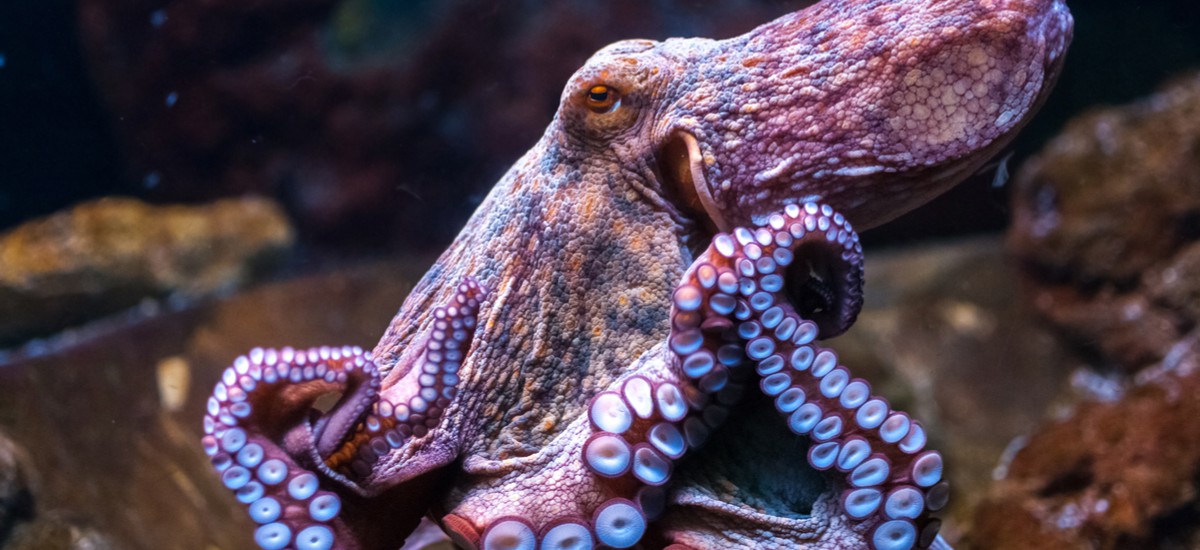
Why an Octopus? Numerous individuals believe that octopuses are some of the smartest animals in the ocean. Researchers have seen them use tools in new ways, solve puzzles, and even open containers. Current Biology published a study that says octopuses have advanced learning and problem-solving skills that are on par with those of many vertebrate species.

If I could take on a few of an octopus's traits, I would mostly want to improve my brain and senses, not make big changes to my body. Octopuses have a distributed nervous system, which means that their neurons are spread out throughout their bodies instead of being all in their brains. A human-octopus hybrid might be able to do more than one thing at a time or process more than one stream of information at a time.

Physically, I would like small changes, like better dexterity, better touch sensitivity, and maybe even the ability to change the color of my skin. Octopuses can change the color of their skin right away to hide or send visual messages. In a human context, that ability could evolve into a novel mode of nonverbal communication rather than mere concealment.

enter image description here

Are You Still Human? This thought experiment raises a larger philosophical question: what does it mean to be human?

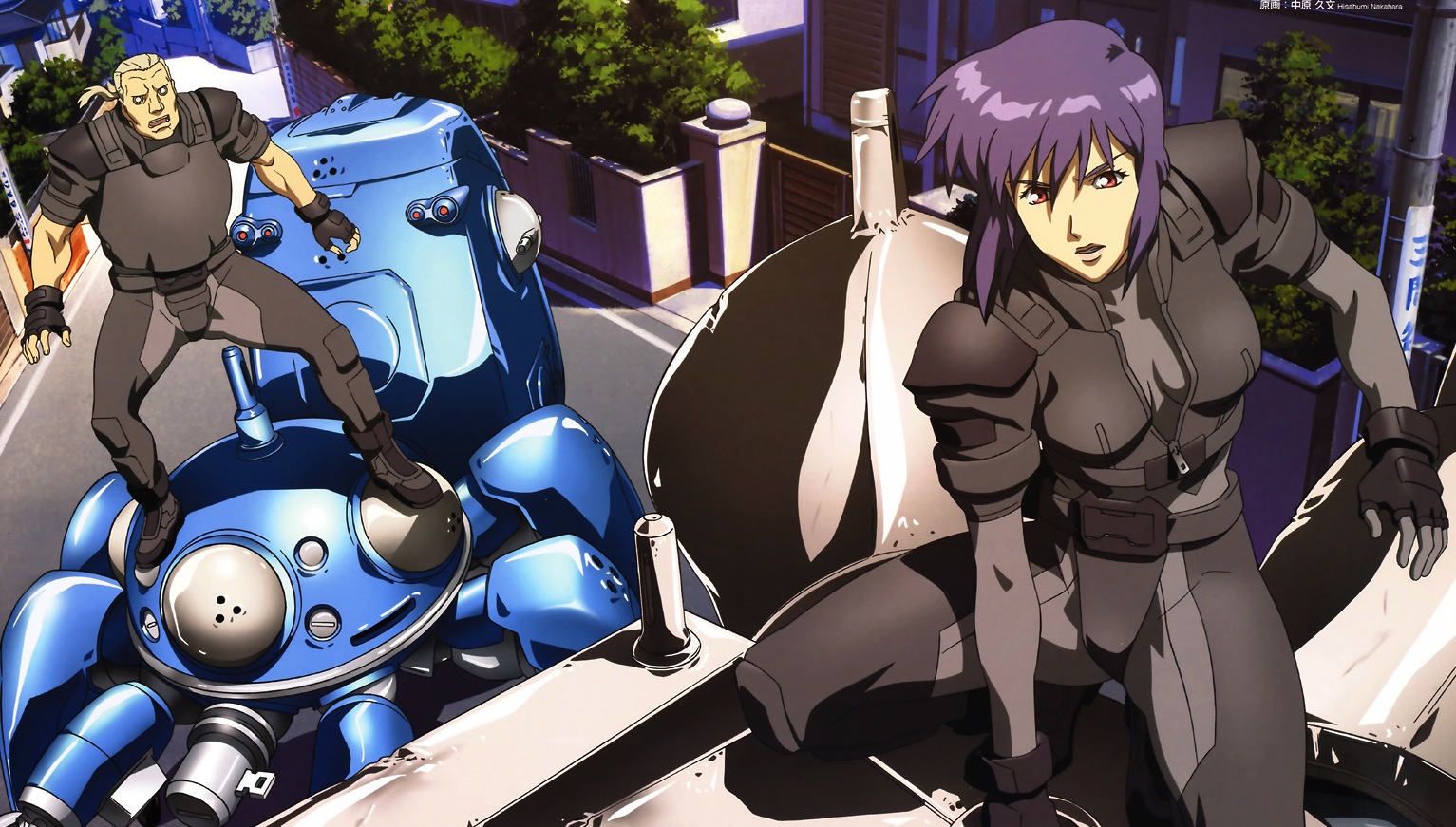
This idea is always being explored in cyberpunk fiction. Replicants in Blade Runner look and act like people, but people treat them like machines. In Ghost in the Shell, on the other hand, Major Motoko Kusanagi lives in a body that is completely cybernetic, but she still has trouble figuring out who she is and what consciousness is.

Both stories imply that humanity may not rely on biological purity. It might depend on things like memory, self-awareness, and consciousness. Even if someone had better skills or a body that was only partly human, their thoughts and feelings could still make them human.

Philosopher Donna Haraway famously said that we are already cyborgs because technology changes our lives and who we are all the time. Smartphones, medical implants, and AI are already making it hard to tell the difference between people and machines.

Hybridization with animals would simply push that boundary further.

enter image description here

The Real Problem: Who Gets the Upgrade?

The biggest concern with enhancement technology is not the science itself but who gets access to it. New technologies often begin as costly advancements accessible solely to affluent individuals or influential organizations. If hybridization technology worked the same way, enhanced humans might have mental or physical advantages over people who have not been changed. This could lead to a new type of unfairness.

This is something that happens a lot in cyberpunk worlds. In Ghost in the Shell, cybernetic upgrades are common, but they are still very much linked to the power of the government and businesses. In the same way, replicants in Blade Runner are made beings that live in strict social hierarchies.

Similar ethical issues are still raised in discussions about gene editing, neural implants, and human augmentation. According to World Economic Forum reports, if access to advanced biotechnology is restricted, it may worsen social inequality.

enter image description here

The Posthuman Era

Imagining human-animal hybridization ultimately emphasizes one of cyberpunk's central tenets: humanity is not a fixed category. Rather, it develops in tandem with technology and our comprehension of intelligence.

Humanity wouldn't necessarily disappear if we adopted octopus characteristics. Rather, it might signify a new phase of human growth in which intelligence and adaptability surpass conventional biological bounds.

Cyberpunk tales, however, constantly serve as a reminder that technological prowess will never be the greatest obstacle. The true question is who gains from those technologies and how society decides to use them.

References

  1. Godfrey-Smith, P. (2016). The octopus: A model for a new science of intelligence. Current Biology, 26(20), R1021–R1024.

  2. World Economic Forum. (2023). The Future of Human Augmentation.

AI Disclosure

I used ChatGPT to help brainstorm ideas, organize the structure of this blog post, and improve clarity in my writing. The overall argument, topic choice, and final edits were my own.

Becoming the Hawk

- Posted in BP04 by

Imagining the Human–Animal Hybrid

If a safe and reversible technology existed that allowed humans to hybridize with animals, the choice of which animal to merge with would reveal something deeper than curiosity. It would reveal our values about power, perception, and identity. If I had the option, I would choose to hybridize with a hawk.

Hawks symbolize vision, awareness, and precision. Unlike animals associated with brute strength, the hawk represents heightened perception and strategic intelligence. My interest in this hybridization would not be to become something entirely nonhuman, but rather to expand human capabilities while maintaining human identity.

The extent of my hybridization would be moderate rather than extreme. I would not want wings or a completely transformed body. Instead, I would choose specific adaptations such as enhanced vision, faster reflexes, and improved spatial awareness. Hawks possess remarkable eyesight and can detect prey from incredible distances. This type of biological enhancement could transform fields like search-and-rescue, environmental monitoring, and aviation. In this sense, the goal of hybridization would not be abandoning humanity but augmenting human potential.

Where Does Humanity End?

The idea of merging with an animal raises a deeper philosophical question: what actually defines humanity?

For me, humanity is not tied strictly to biology. Instead, it is rooted in the mental and moral capacities that shape how we exist in the world. Human beings possess self-awareness, empathy, moral reasoning, and the ability to construct narratives about their own lives. These qualities allow us to reflect on who we are and how our actions affect others. Even if the human body were enhanced or altered, those capacities could still remain intact.

This debate closely resembles the themes explored in Ghost in the Shell. Major Motoko Kusanagi possesses an almost entirely artificial body, yet she continues to question her identity and consciousness. The film suggests that what defines a person is not the body itself but the continuity of consciousness, which the story calls the “ghost.” Her struggle illustrates how identity persists even when the physical form becomes radically different.

Blade Runner raises a similar issue through its replicants. These artificial beings possess memories, emotions, and desires, forcing both characters and viewers to question whether biological origin truly determines humanity. If a being can experience love, fear, and reflection, the boundary separating human from nonhuman becomes unstable. Human–animal hybridization would push that boundary even further and reveal that humanity may depend more on consciousness and ethical awareness than on species membership.

Haraway’s Boundary-Breaking World

The idea of hybrid humans also connects directly to Donna Haraway’s concept of the cyborg. In A Cyborg Manifesto, Haraway argues that modern technologies break down the traditional boundaries separating humans, animals, and machines. She challenges the long-standing belief that these categories are fixed and clearly defined.

Haraway proposes that the cyborg represents a world where identities are hybrid, fluid, and interconnected rather than strictly separated. Human–animal hybridization technology would embody this idea in a very literal way. Instead of maintaining a strict boundary between humans and the rest of the natural world, people would physically embody the fusion of species. This possibility challenges the assumption that humans exist at the top of a natural hierarchy and suggests that identity is far more flexible than we once believed.

Inequality in the Age of Enhancement

While the concept of hybridization may seem exciting, it raises serious ethical and social questions. Technologies that enhance human abilities rarely appear in a socially neutral environment. Access to such innovations is often shaped by wealth, political power, and institutional influence.

Science writer Ed Yong (2022) explains that animal sensory systems reveal capabilities humans cannot easily imagine. Technologies that attempt to replicate or integrate those abilities could dramatically expand human perception. However, if these technologies become expensive or restricted, they may only be available to privileged groups.

In such a scenario, hybridization could deepen existing inequalities. Wealthy individuals might gain enhanced senses or cognitive advantages, while others remain unmodified. Governments or militaries might also use hybridization technologies to create enhanced soldiers or specialized workers. Rather than improving society as a whole, these developments could produce new divisions between enhanced and non-enhanced humans.

These concerns closely mirror ongoing debates about genetic editing, neural implants, and other forms of technological enhancement. The challenge is not simply developing new capabilities but ensuring that these technologies are distributed in ways that promote fairness and human well-being.

The Posthuman Future

Hybridization technology would force society to confront one of the oldest philosophical questions: what does it truly mean to be human?

If we gain the ability to modify our bodies and senses, humanity may become defined less by biological limitations and more by shared values such as empathy, ethical responsibility, and consciousness. Choosing to hybridize with a hawk would not mean abandoning humanity. Instead, it would represent a step toward a broader understanding of human potential.

Cyberpunk stories frequently imagine futures where technology blurs the boundaries between species, machines, and consciousness. These narratives suggest that the real challenge is not technological transformation itself but ensuring that these transformations preserve the qualities that make human life meaningful.

Ultimately, the posthuman future may not involve leaving humanity behind. Instead, it may involve redefining humanity in a world where the boundaries of the body continue to expand.

References

Haraway, D. (1985). A cyborg manifesto: Science, technology, and socialist-feminism in the late twentieth century. Socialist Review.

Yong, E. (2022). An immense world: How animal senses reveal the hidden realms around us. Random House.

AI Use Disclosure

AI tools (ChatGPT) were used to assist with brainstorming and organization. The final content was reviewed and edited without AI to ensure clarity, originality, and alignment with the course themes.

Designing an Eagle–Human Hybrid Body

- Posted in BP04 by

Why I’d Hybridize with an Eagle

If a safe and reversible technology existed that allowed humans to take on animal traits, I would choose to hybridize with an eagle. I would say eagles represent freedom, independence and especially sharp vision, qualities I often wish I had in my everyday life. I would not want a full transformation, but I would choose meaningful physical and cognitive adaptations without losing my sense of self.

The first trait I would want is enhanced vision, so I could see long distances and notice details much more clearly. This ability would give me a new way of experiencing the world, almost like gaining a second layer of awareness. I would also choose lightweight wings or gliding structures that allow controlled flight or long jumps. I do not need full bird anatomy, but the ability to move through space in a new way feels very exciting. I would also accept some behavioral traits, like sharper focus and stronger situational awareness. Eagles are known for their calm but alert presence, and I think this could help me manage stress. These changes feel like enhancements rather than replacements of who I am. At the same time, I would not want to lose basic human traits like speaking, writing, or making emotional connections with others. I do not want to give up my face, my voice, or my ability to relate to people as a human. For me, “humanity” means having emotions, self‑awareness, memory, moral responsibility and consciousness. So I would accept physical adaptations, but I would want my personality, memories, and sense of self to stay mostly the same.

Blurring the Boundaries Between Human and Animal

Thinking about human–animal hybrids also connects to Haraway, who argues that modern technology breaks down the traditional boundaries between human, animal, and machine. The cyborg represents a world where these categories are no longer clearly separated. A human with eagle traits would be another example of this blurred boundary. This also connects to Blade Runner, where replicants look human but are treated differently because they were artificially created and meant to be “retired.” The film asks whether humanity is defined by biology or by experience and emotion. If someone had enhanced eagle vision or the ability to glide through the air, they might look different, but they could still think, feel, and make decisions like any other human.

Who Gets to Be Enhanced?

Another important issue is who would actually have access to this type of technology. In reality, many advanced technologies first become available only to wealthy individuals or powerful organizations. Philosopher Nick Bostrom has argued that human enhancement technologies could create new forms of inequality if only certain groups are able to use them. If only some people could enhance their physical abilities or senses, they might gain advantages in education, jobs, or even security. This raises ethical questions about fairness and access. Would governments regulate these technologies? Would they be available to everyone, or only to those who could afford them?

Conclusion

Thinking about hybridization and becoming part eagle makes me reflect on what truly defines a person. I believe humanity is more about memory, emotion and consciousness and if those remain intact, even major physical changes would not erase the self. But as i mentioned, the real danger is not transformation itself but mainly who controls it and who gets access to it. Enhancement technologies could expand human potential, but they could also deepen inequality if we are not careful enough.

AI was not used for any part of this assignment.

Sources

Bostrom, N. (2005). IN DEFENSE OF POSTHUMAN DIGNITY. Bioethics, 19(3), 202–214. https://doi.org/10.1111/j.1467-8519.2005.00437.x

Page 5 of 6