Are We Living in a Cyberpunk Prologue?

- Posted in BP05 by

Cooperations

When Corporations Write the Rules: Are We Living in a Cyberpunk Prologue?

In cyberpunk worlds, governments fade into the background while corporations become the real centers of power. From the Tyrell Corporation in Blade Runner to Tessier-Ashpool in Neuromancer, these entities control labor, technology, and even human identity. What once felt like speculative fiction now feels eerily familiar. Across industries, from Big Tech to pharmaceuticals, real-world corporations increasingly shape public policy, economic opportunity, and even the boundaries of human autonomy.

Surveillance Capitalism: Owning Not Just Data, but Behavior

One of the clearest parallels to cyberpunk fiction lies in what scholars call surveillance capitalism. Companies like Google and Meta Platforms collect massive amounts of user data( not just to understand behavior), but to predict and influence it. According to Shoshana Zuboff, this model turns human experience into raw material for profit, often without meaningful consent. This echoes Neuromancer, where corporations don’t just sell products, they shape reality itself. In both cases, individuals become resources. The difference? Today’s version operates quietly, embedded in everyday apps and platforms.

Pharmaceutical Power: Pricing Life Itself

The pharmaceutical industry provides another stark example. Companies like Eli Lilly and Pfizer have faced scrutiny over drug pricing practices, particularly in the United States. For instance, insulin prices rose dramatically over decades, despite the drug being discovered over a century ago. This dynamic resembles Machinehood, where corporate interests dictate access to life-sustaining resources. When essential medicine becomes a profit-maximizing product, human life risks becoming secondary to shareholder value. InsulinInsulin

Gig Economy Labor: Disposable Workers in a Digital Machine

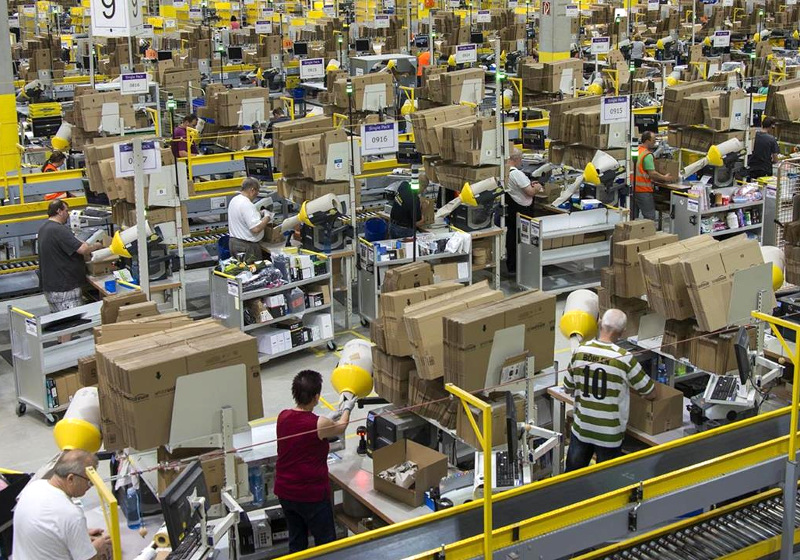
Companies like Uber and DoorDash have revolutionized work, but at a cost. Gig workers are often classified as independent contractors, meaning they lack benefits like healthcare, job security, or minimum wage protections. This mirrors the precarious labor conditions in cyberpunk fiction, where workers are easily replaceable and stripped of rights. The algorithm becomes the boss, opaque, unaccountable, and indifferent. In many ways, the gig economy turns people into extensions of a platform, much like the commodified humans in Blade Runner.

Are We Headed Toward Cyberpunk Reality?

The short answer: partially but not inevitably. Cyberpunk exaggerates for effect, but it is grounded in real trends. Corporate power today is enabled by several factors: Globalization: Corporations operate across borders, often outpacing national regulations. Technological complexity: Governments struggle to regulate rapidly evolving industries like AI. Economic influence: Lobbying and campaign financing allow corporations to shape policy decisions. However, there are still meaningful checks on corporate power. Governments can and do regulate industries; consider antitrust actions against Amazon and Apple. The European Union, in particular, has taken a more aggressive stance on privacy and competition through regulations like the GDPR. Public awareness also plays a critical role. Unlike in cyberpunk worlds, where resistance is often fragmented, today’s citizens, journalists, and researchers actively critique corporate behavior. This critique matters; it shapes public discourse, influences regulation, and holds power accountable.

Is This Uniquely American?

Not entirely, but it is more pronounced in the United States. The U.S. tends to favor market-driven solutions and has historically been more permissive of corporate consolidation. In contrast, European countries often prioritize consumer protection and data privacy. Meanwhile, countries like China exhibit a different model, where corporate power exists but is tightly integrated with state control, raising its own dystopian concerns. enter image description here

Why Critique Still Matters

Cyberpunk is not just prediction, it’s warning. By exaggerating corporate dominance, it forces us to confront uncomfortable truths about power, inequality, and technology. We are not yet living in a Blade Runner world. Governments still exist. Rights still matter. But the growing influence of corporations over data, labor, and healthcare suggests that cyberpunk is less a fantasy and more a mirror, one that reflects what could happen if power goes unchecked. The future is not predetermined. Whether we move toward or away from a cyberpunk reality depends on regulation, public engagement, and our willingness to question who really holds power in society.

References

Zuboff, S. (2019). The Age of Surveillance Capitalism. U.S. Senate reports on insulin pricing (2021–2023). European Commission: GDPR and antitrust cases Academic and policy analyses on gig economy labor practices

When Corporations Start Acting Like Governments

- Posted in BP05 by

Cyberpunk stories have always imagined a world where corporations hold more power than governments, treating people as expendable and prioritizing profit above all else. For a long time, that idea felt exaggerated, more style than reality. But looking at what’s happening today, it’s harder to ignore the similarities. From tech companies shaping political conversations to rising drug prices and unstable gig work, parts of our world are starting to look a lot like the systems cyberpunk warned us about.

One of the most obvious examples is the influence of major tech companies on public opinion and democracy. Platforms like Instagram, TikTok, and X don’t just host content, they control what people see through algorithms. These systems decide which posts get attention and which ones disappear, often based on what will keep users engaged the longest. That means controversial or emotionally charged content tends to spread faster, even if it isn’t accurate. In a way, this reflects what we see in Blade Runner, where powerful corporations shape people’s understanding of reality itself. The control isn’t always obvious, but it’s there, quietly influencing how people think and what they believe.

Another area where corporate power shows up is in the pharmaceutical industry. The cost of essential medications in the United States, especially insulin, has been widely criticized. Many people depend on these drugs to survive, yet prices can be extremely high compared to other countries. This raises serious ethical questions. When a company controls access to something people need to live, profit becomes more than just a business goal, it becomes a matter of life and death. That kind of dynamic feels very similar to what we see in Machinehood, where human needs are often secondary to maintaining systems that benefit those in control.

The gig economy is another example that lines up with cyberpunk themes. Companies like Uber and DoorDash have created flexible work opportunities, but they have also introduced a new kind of instability. Workers are classified as independent contractors, which means they usually don’t receive benefits like healthcare, paid time off, or job security. Instead of a traditional boss, they answer to an app, an algorithm that tracks performance, assigns jobs, and can deactivate them at any time. This setup mirrors the kind of disposable labor we see in Neuromancer, where individuals exist on the edges of powerful systems and have little protection.

At the same time, it would be an exaggeration to say we are fully living in a cyberpunk world. Governments still have power, and in some cases, they do step in to regulate corporations. For example, stricter data privacy laws in parts of Europe show that it is possible to limit how much control companies have over personal information. Public pressure also matters. When people speak out through protests, social media, or voting, it can push companies to change their practices.

It is also important to recognize that this is not just an American issue, even if it is especially visible here. Different countries handle corporate power in different ways. Some governments keep tighter control over businesses, while others allow more freedom. That means the future is not set in stone, it depends on the choices societies make and the systems they put in place.

So why do corporations have so much influence right now? A big part of it comes down to globalization and technology. Companies can operate across borders, making it harder for any single government to regulate them. At the same time, people rely heavily on the services these companies provide, whether it is social media, transportation, or online shopping. That dependence gives corporations even more leverage. What cyberpunk stories get right is not just the presence of powerful corporations, but the warning behind it. These stories push us to question who holds power and how it is used. They remind us that systems can change and that people have a role in that change. We are not stuck in a dystopia, but we are close enough to see how it could happen.

In the end, the real question is not whether cyberpunk was right. It is whether we are paying attention.

Corporations vs. Governments: Are We Moving Toward a Cyberpunk Future?

- Posted in BP05 by

Image: A representation of corporate power, data surveillance, image: A representation of corporate power and data surveillance!

Cyberpunk vs Reality

Cyberpunk literature has long imagined a future where corporations dominate, often surpassing governments and viewing human lives as disposable. These fictional organizations, like Tyrell Corporation in Blade Runner and Tessier-Ashpool SA in Neuromancer, control technology, prioritize profit, and shirk responsibility. Although these stories may seem exaggerated, many modern companies behave in ways that closely resemble these dystopian visions, especially in areas such as gig economy labor practices, pharmaceutical pricing, and surveillance capitalism.

Hacking the Mind, Not the Body: Surveillance Capitalism

The way internet corporations gather and utilize personal data is one such example. These days, businesses collect a lot of personal data and use it to target advertisements and forecast behavior. This concept relates to the topic of "hacking the body vs. hacking the mind" that we covered in class. Hacking in cyberpunk is about manipulating people, not just systems. In the real world, businesses don't hack our bodies, but they do have an impact on our beliefs, purchases, and ways of thinking. This system, which turns human behavior into a resource for businesses, is frequently referred to as surveillance capitalism (Axios, 2019). That makes me think of cyberpunk settings where individuals are continuously seen and impacted.

Identity and Privacy Loss in the Digital Age

Additionally, there is concrete proof of the effectiveness of this data collection. According to a Federal Trade Commission investigation, big social media corporations gathered a lot of user data and shared it with outside parties, often without the consumers' knowledge (The Guardian, 2024). This relates to the loss of identity and privacy, another cyberpunk concept we discussed. People lose control over their own knowledge in such scenarios, and a less severe version of that is happening now.

Government Power vs. Corporate Power

The notion of businesses taking the place of established power institutions is another link to our class. In cyberpunk, businesses dominate most of the choices, and governments are powerless. Companies still have a lot of power, even though it isn't entirely true nowadays. They can influence laws and policies through economic power and lobbying. This gives the impression that the distinction between corporate and governmental authority is becoming increasingly hazy.

The Value of Human Labor and the Gig Economy

The gig economy is related to the previous class information on the worth of people in cyberpunk settings. People are viewed as disposable and only useful for what they can provide in many stories. These days, gig workers for businesses like DoorDash and Uber frequently lack benefits and job stability, which makes them feel the same way. Employees are crucial, but they can be readily replaced. The concept of humans being reduced to their utility is reflected in cyberpunk.

Cyberpunk as a Caution, not a Prediction

I don't believe that our culture is entirely cyberpunk. This relates to another topic covered in class: cyberpunk is frequently a critique rather than a forecast. These tales exaggerate real problems. Governments still have authority and can control businesses in the real world. For instance, various nations have different laws governing corporate control and data protection, demonstrating that businesses do not have total authority.

Views from Around the World on Corporate Power

This is not only an American problem; it is a global one as well. While governments are more stringent in certain nations, companies have greater flexibility in others. This demonstrates how the system determines how companies and power interact, a topic we have also discussed in class while comparing various civilizations.

Conclusion: What should we do next?

In my view, cyberpunk serves as a warning about what may happen if corporate power is abused. Although we are not quite there yet, there are early indications, particularly in the areas of corporate influence, labor practices, and data gathering. The way people react is what counts. We can keep things from being as bad as cyberpunk fiction if we remain conscious and keep challenging these structures.

Sources

Axios. (2019). The new data capitalism. https://www.axios.com/2019/06/25/personal-data-big-tech-companies-privacy-capitalism The Guardian. (2024). Social media firms engaged in vast surveillance, FTC finds. https://www.theguardian.com/technology/2024/sep/19/social-media-companies-surveillance-ftc

OpenAI. (2026). Digital eye with data overlay representing surveillance and personal data tracking [AI-generated image]. ChatGPT.

AI Attestation: I improved the organization of my work and create title image with the use of AI. Based on what I learnt in the course, the thoughts and connections to the course material are my own.