Are We Living in a Cyberpunk Prologue?

- Posted in BP05 by

Cooperations

When Corporations Write the Rules: Are We Living in a Cyberpunk Prologue?

In cyberpunk worlds, governments fade into the background while corporations become the real centers of power. From the Tyrell Corporation in Blade Runner to Tessier-Ashpool in Neuromancer, these entities control labor, technology, and even human identity. What once felt like speculative fiction now feels eerily familiar. Across industries, from Big Tech to pharmaceuticals, real-world corporations increasingly shape public policy, economic opportunity, and even the boundaries of human autonomy.

Surveillance Capitalism: Owning Not Just Data, but Behavior

One of the clearest parallels to cyberpunk fiction lies in what scholars call surveillance capitalism. Companies like Google and Meta Platforms collect massive amounts of user data( not just to understand behavior), but to predict and influence it. According to Shoshana Zuboff, this model turns human experience into raw material for profit, often without meaningful consent. This echoes Neuromancer, where corporations don’t just sell products, they shape reality itself. In both cases, individuals become resources. The difference? Today’s version operates quietly, embedded in everyday apps and platforms.

Pharmaceutical Power: Pricing Life Itself

The pharmaceutical industry provides another stark example. Companies like Eli Lilly and Pfizer have faced scrutiny over drug pricing practices, particularly in the United States. For instance, insulin prices rose dramatically over decades, despite the drug being discovered over a century ago. This dynamic resembles Machinehood, where corporate interests dictate access to life-sustaining resources. When essential medicine becomes a profit-maximizing product, human life risks becoming secondary to shareholder value. InsulinInsulin

Gig Economy Labor: Disposable Workers in a Digital Machine

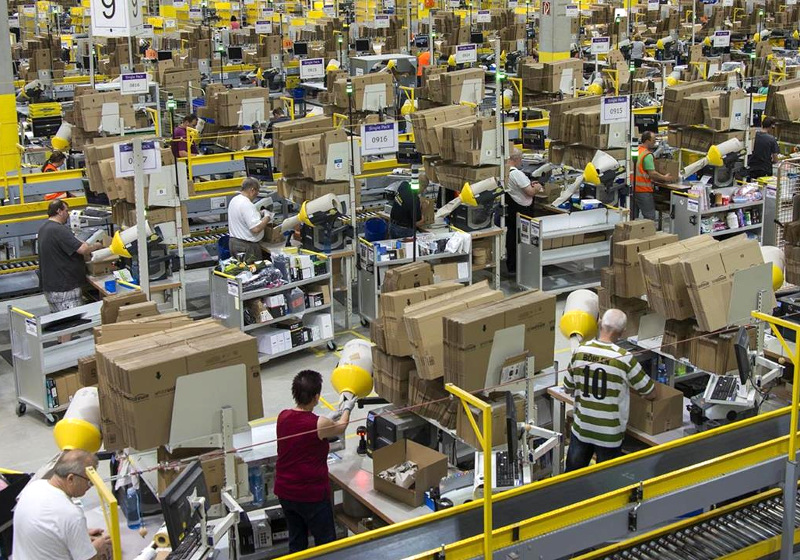
Companies like Uber and DoorDash have revolutionized work, but at a cost. Gig workers are often classified as independent contractors, meaning they lack benefits like healthcare, job security, or minimum wage protections. This mirrors the precarious labor conditions in cyberpunk fiction, where workers are easily replaceable and stripped of rights. The algorithm becomes the boss, opaque, unaccountable, and indifferent. In many ways, the gig economy turns people into extensions of a platform, much like the commodified humans in Blade Runner.

Are We Headed Toward Cyberpunk Reality?

The short answer: partially but not inevitably. Cyberpunk exaggerates for effect, but it is grounded in real trends. Corporate power today is enabled by several factors: Globalization: Corporations operate across borders, often outpacing national regulations. Technological complexity: Governments struggle to regulate rapidly evolving industries like AI. Economic influence: Lobbying and campaign financing allow corporations to shape policy decisions. However, there are still meaningful checks on corporate power. Governments can and do regulate industries; consider antitrust actions against Amazon and Apple. The European Union, in particular, has taken a more aggressive stance on privacy and competition through regulations like the GDPR. Public awareness also plays a critical role. Unlike in cyberpunk worlds, where resistance is often fragmented, today’s citizens, journalists, and researchers actively critique corporate behavior. This critique matters; it shapes public discourse, influences regulation, and holds power accountable.

Is This Uniquely American?

Not entirely, but it is more pronounced in the United States. The U.S. tends to favor market-driven solutions and has historically been more permissive of corporate consolidation. In contrast, European countries often prioritize consumer protection and data privacy. Meanwhile, countries like China exhibit a different model, where corporate power exists but is tightly integrated with state control, raising its own dystopian concerns. enter image description here
Why Critique Still Matters

Cyberpunk is not just prediction, it’s warning. By exaggerating corporate dominance, it forces us to confront uncomfortable truths about power, inequality, and technology. We are not yet living in a Blade Runner world. Governments still exist. Rights still matter. But the growing influence of corporations over data, labor, and healthcare suggests that cyberpunk is less a fantasy and more a mirror, one that reflects what could happen if power goes unchecked. The future is not predetermined. Whether we move toward or away from a cyberpunk reality depends on regulation, public engagement, and our willingness to question who really holds power in society.

References

Zuboff, S. (2019). The Age of Surveillance Capitalism. U.S. Senate reports on insulin pricing (2021–2023). European Commission: GDPR and antitrust cases Academic and policy analyses on gig economy labor practices
Radioactive Retro Dance Club

- Posted in BP05 by

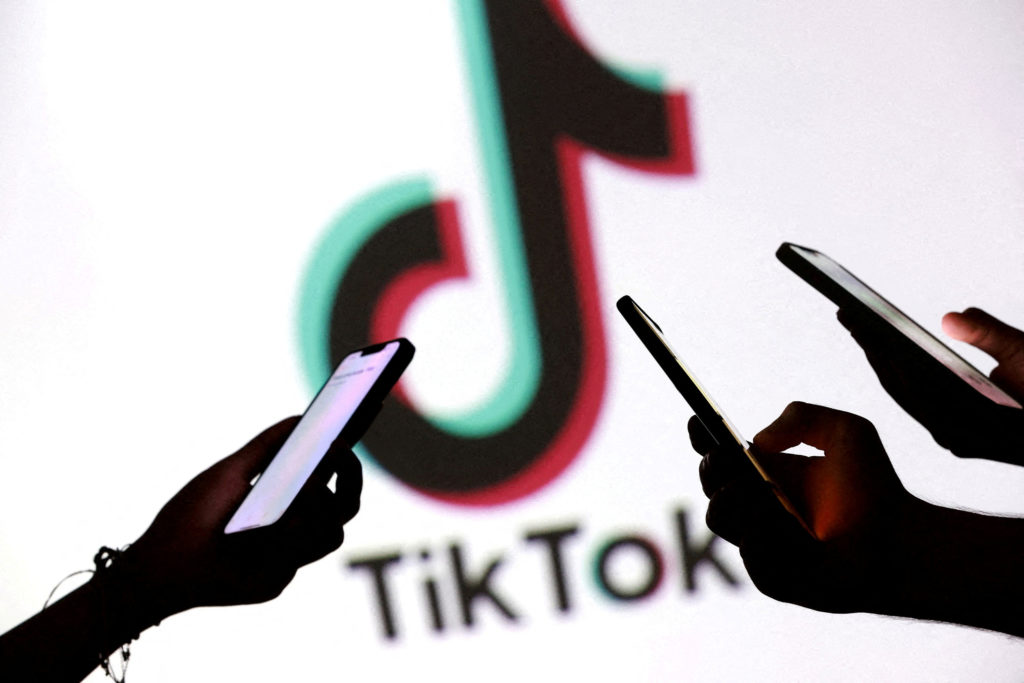
The issues that we have been exploring all semester bring us to one central question. Are we heading faster to a future that seemed in the far distance? Will corporations dominate and deteriorate the world as we know it? And if so, how will we stop it? Not only does cyberpunk warn us about this future, but it may also be giving us solutions on how to stop it from happening. From the Tyrell Corporation in Blade Runner to the pill funders in Machinehood, we see the damage that large corporations can have on the function of our society as a whole. One of the biggest ways we see corporation domination is in the realm of privacy and surveillance capitalism, a space that may too soon be out of our control. When you use services such as Google and Facebook, there are agreements to the use of your data and personal information that you sign off on every time. In a book written about the current surveillance state, Shoshana Zubodf writes that the data gathered by these companies is used by other companies to predict and influence our behaviors (Kavenna, 2019). Though you may not be aware that you are allowing the use of your data by other companies, if you read the lengthy privacy statements that many just accept, you will find your acceptance to these rules. More corporations such as Tik Tok use algorithms to gather data, facial expressions, locations, and voiceprints to build profiles on who they think that you are and what you would like (10 Eye-Opening Examples of Surveillance Capitalism in Action - VOICES of CAPITALISM, 2025). Though we may like this because it shows us funny videos, what happens when the algorithm changes? In fact, after most of TikTok was bought by the U.S. the privacy policy changed to allow precise location data if you have your location services on (Lin, 2026). This comes at a time where ICE is being deployed in heavily immigrant populated areas and people are being killed by said ICE agents. It makes it that much scarier that there is a way to find your exact location just by trying to find entertainment through Tik Tok. Though not exactly the same, the ideas of constantly tracking and using our data to increase their ad revenue, track our locations, and push propaganda into our lives is reminiscent of the pill funders in Machinehood. In the novel, the pill funders are an amalgamation of all of the wealthy corporations and wealthy people who essentially control the world by making them reliant on their pills. In a similar way, there is a group of a few corporations that are controlling what we see, hear, and interact with through privacy policies. Because of this comparison, I am led to believe that we are not as far away from a cyberpunk corporation-controlled future as it seems. Specifically under the Trump presidency, we stray further and further away from a world where we have personal autonomy and closer to a world with heavy cyberpunk surveillance.

AI was not used in any form of creating this post. All words, thoughts, and plannings are from myself.

References

10 Eye-Opening Examples of Surveillance Capitalism in Action - VOICES OF CAPITALISM. (2025, October 3). Inside Political Science. https://voicesofcapitalism.com/surveillance-capitalism-examples/ Kavenna, J. (2019, October 4). Shoshana Zuboff: “Surveillance capitalism is an assault on human autonomy.” The Guardian. https://www.theguardian.com/books/2019/oct/04/shoshana-zuboff-surveillance-capitalism-assault-human-automomy-digital-privacy Lin, P. (2026, January 27). Under U.S. Ownership, TikTok Poses an Even Greater Threat to Americans’ Privacy. Harvard.edu. https://www.hks.harvard.edu/centers/carr-ryan/our-work/carr-ryan-commentary/under-us-ownership-tiktok-poses-even-greater-threat

Are We Living In a Cyberpunk Economy? →

- Posted in BP05 by

In classic cyberpunk fiction, corporations not only influence but even run society. Governments recede into the background as megacorporations choose who flourishes, who struggles, and who is disposable. Originally a theoretical warning, this vision now feels dangerously close to reality. From tech behemoths dictating democratic discourse to pharmaceutical corporations controlling access to life-saving pharmaceuticals, today's corporate landscape increasingly resembles the scenarios depicted in Black Runner, Neuromancer, and Machinehood.

Corporate Power: Real World Consider the impact of large technology businesses on democratic institutions. Platforms such as Meta and Google influence what billions of people see, read, and believe. According to Pew Research (2021), the majority of Americans acquire at least some of their news through social media, implying that private firms effectively channel public knowledge. This corresponds with Tessier-Ashpool SA's information control in NeuroMancer, in which data access equals power. Surveillance capitalism promotes this dynamic as well. Shoshana Zuboff (2019) notes that firms collect massive amounts of behavioral data to predict and influence users' actions. This is not unlike the ubiquitous surveillance systems portrayed in Blade Runner, when corporations like Tyrell have complete control over both information and identity.

Pharmacetical pricing provides another clear example. Although insulin is a century-old medicine, it has historically been far more expensive in the United States than in other countries. RAND Corporation released a report in 2022 stating that insulin prices in the U.S. are roughly three times higher than in comparable nations. This is consistent with the dynamics of Machinehood, in which corporate funding systems regulate access to vital technologies and even existence. Meanwhile, gig economy labor patterns demonstrate how corporations can change employment itself. Companies such as Uber categorize workers as independent contractors rather than employees, limiting their access to benefits and protections. The Economic Policy Institute found that gig workers frequently make less than the minimum wage after expenses. This is similar to cyberpunk's precarious underclass, referring to workers who rely on corporate platforms but are excluded from corporate safeguards.

A pattern emerges from these examples: companies are more than just economic players; they also serve as governance systems. Modern corporations, such as Tyrell Corporation and Tessier-Ashpool:

  1. Control access to critical resources (information, medicine, and inc0me )
  2. Operate across national lines, frequently without effective regulation
  3. Individuals are treated as data points or labor units, not as citizens

Are We Headed Toward Corporate Dominance? The answer is based on how we interpret existing patterns. One one hand, corporate power is certainly increasing. Globalization enables businesses to operate across borders, but technical sophistication frequently outpaces regulatory frameworks. Governments occasionally rely on corporations for infrastructure (cloud computing, AI), obscuring the distinction between public and private power. However cyberpunks image of absolute corporate rule may be an exaggerated critique rather than an unavoidable reality. There are checks on corporate power:

  1. Antitrust activities
  2. Data privacy laws
  3. Labor organizing activities among gig workers and tech employees These mechanisms indicate that, while corporations are dominant, they are not unopposed.

Is This Just An American Issue? Not entirely, but it is more pronounced in the United States. Compared to Europe, the United States has traditionally maintained a more laissez-faire approach to regulation. In contrast, the European Union has set stronger regulations on data privacy and competition. GDPR empowers individuals to control their personal data, minimizing the surveillance capitalism prevalent in the US. Corporate influence is important in countries such as China, although it is heavily regulated by the government. There, the dynamic is less "corporation vs. government" and more "corporations within government control".

Why does Corporate Power Persist? 1. Technological dependence: Society increasingly relies on platforms and services offered by private businesses 2. Global Scale: Corporations can relocate operations to evade unfavorable restrictions. 3. Information asymmetry: Companies frequently understand their systems better than regulators. These circumstances foster a climate in which corporate power can grow faster than regulatory procedures.

***The Role of Critique *** This is where cyberpunk remains important, not as a prediction, but as a warning. Exaggerating corporate dominance heightens our awareness of real-world tendencies. Stories like Blade Runner and Neuromaner push us to consider what happens if we don't intervene. Crituqes drives public discourse, which then influences policy. Concerns about data privacy, labor exploitation, and AI ethics are becoming more mainstream, thanks in part to speculative fiction, which made these issues visible and important.

We are not yet living in a true cyberpunk dystopia, but we are getting closer than we would like to acknowledge. Corporations already have enormous control over information, labor, and even survival. The essential concern is not whether cyberpunk is "realistic" but whether we allow its darker aspects to become reality. The future is not predetermined. Unlike the worlds of Neuormance and machine hood, we still can influence our systems through legislation, activism, and informed public discourse. Cyberpunk does more than just show us where we can end up. It challenges us to take a different path.

The attached video provides an overview of how corporations collect and use data.

AI Use Statement: This blog post contains grammatical assistance from Grammarly; no other AI tool was used.

Sources: 1. Pew Research Center. (2021). News consumption across social media in 2021.

  1. RAND Corporation. (2022). International prescription drug price comparisons.

  2. Economic Policy Institute. (2020). Uber and the labor market: Evidence from gig workers.

  3. Zuboff, S. (2019). The Age of Surveillance Capitalism. PublicAffairs.