Becoming Something More

- Posted in BP04 by

Breaking the Human Boundary:

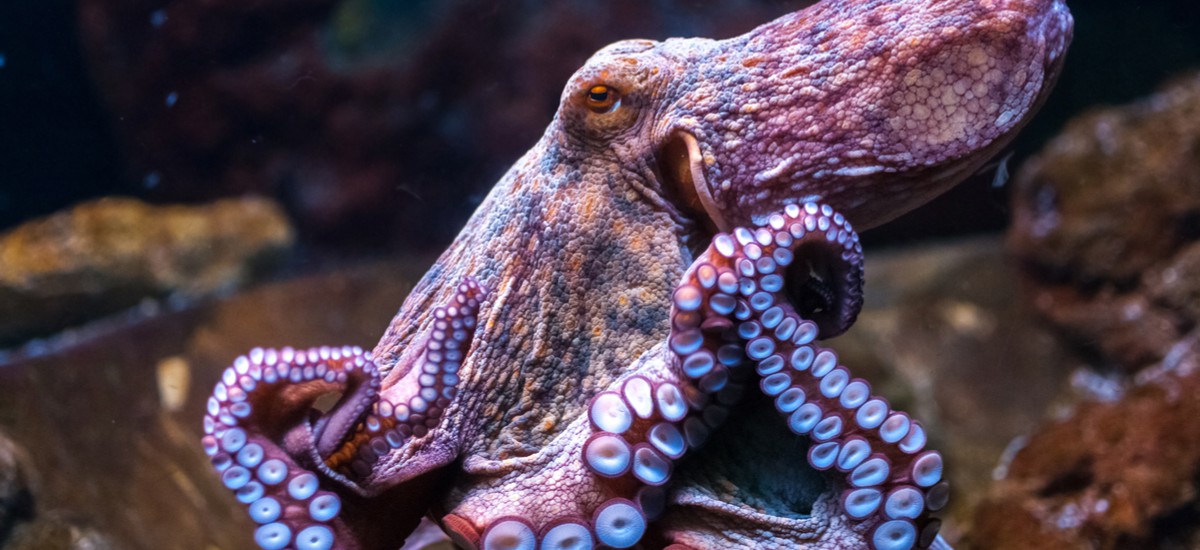
Imagine a world in which humans can adopt animal qualities solely because of safe and reversible technology. In an increasingly biotechnological and artificial intelligence-driven world, such a scenario no longer appears to be science fiction. If I had the option of hybridizing with an animal, I would choose an octopus. The octopus is one of the most remarkable forms of intelligence on Earth, with physical adaptation and cognitive capacities that challenge our beliefs about what it is to be human. Rather than experiencing a total change, I would prefer moderate hybridization, which includes cognitive advantages inspired by octopus' dispersed neutral systems as well as some physical adaptations like increased agility and regenerative capacities. Octopuses can control each of their eight arms independently, allowing them to analyze information simultaneously. According to marine biologist Jennifer Mather, octopuses engage in complex activities such as problem solving, tool use, and play, implying a sophisticated kind of intelligence that arose independently of human intellect.

Adopting elements of this biology could boost human creativity and problem-solving abilities without destroying our humanity completely. I would not imply turning into an octopus, but rather extending the capabilities of the human mind.

Post Human Self:

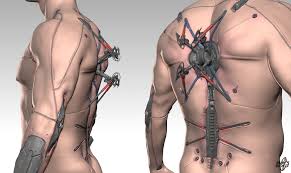
Hybridizing with an octopus would require both cognitive and physical modifications. Cognitively, I'd like improved brain processing that enables multitasking and attention to detail, comparable to how octopuses coordinate their arms. Physically, minor alterations such as increased tactile sensitivity in the hands or restorative tissue abilities might be advantageous. However, I would not give up the fundamental qualities of humanity that characterize social and moral existence. For me, Humanity is more than just biology; it is the ability to emphasize, form groups, and generate shared meaning. These characteristics determine our ethical responsibilities to one another.

This viewpoint is consistent with Donna Haraway's concept of the cyborg, which. undermines hard distinctions between humans, animals, and machines. Haraway contends that technological and biological hybridization undermine traditional theories of identity. In other words, becoming partially animal does not always make someone less human; it may merely indicate that the boundaries between species were never as rigid as we thought.

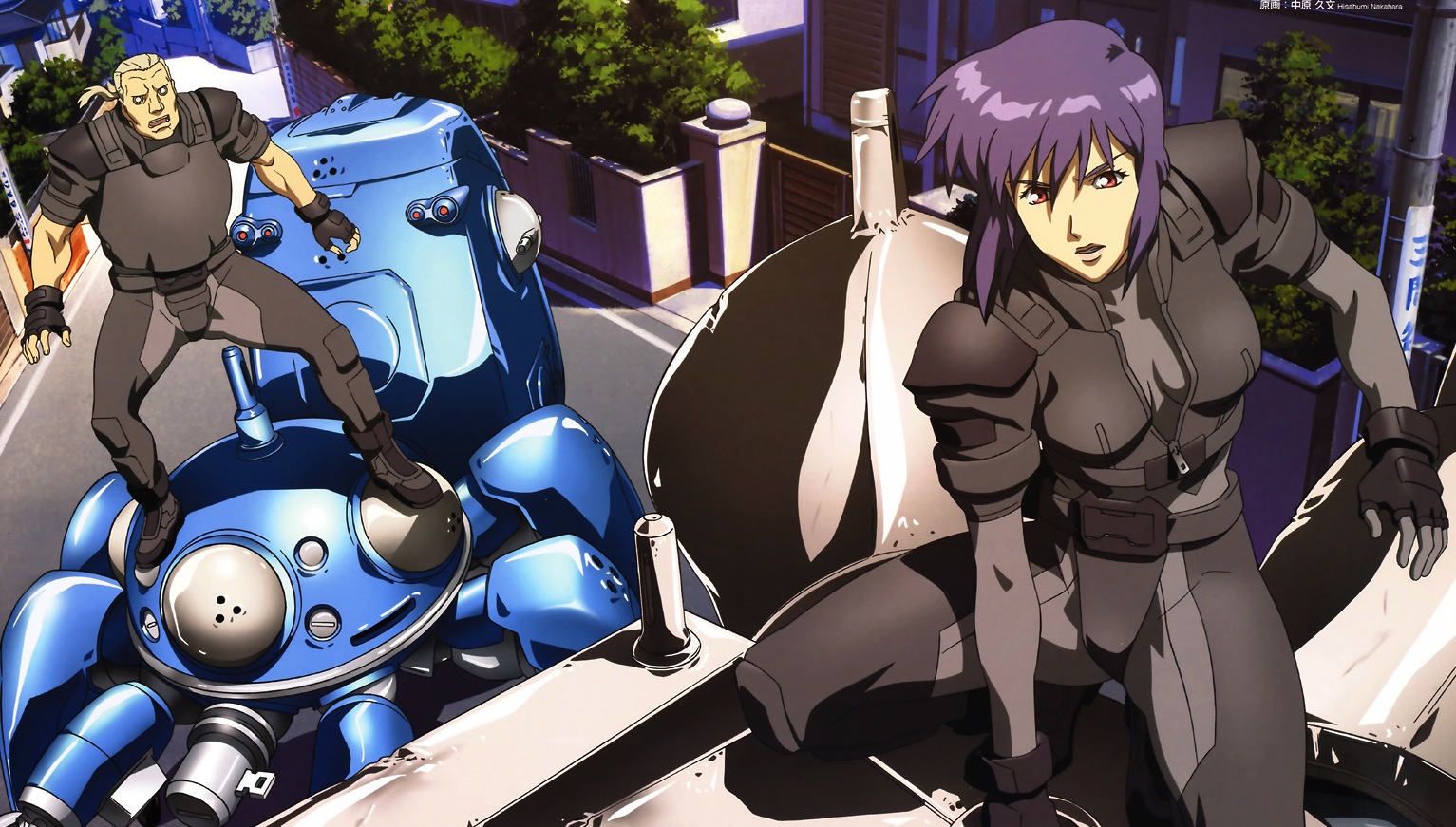
Science fiction also examines this border. In Blade Runner, replicants are almost indistinguishable from humans, yet society views them as disposable devices. Their battle prompts viewers to consider whether biological origin truly determines humanity. Similarly, Ghost in the Shell questions whether awareness stays authentic once the body is technologically upgraded or replaced. If a mind can exist in a cybernetic body, identity is linked to memory and consciousness rather than flesh.

A human-octopus hybrid would take these philosophical questions even further. If we could acquire alien talents while keeping our memories and sense of self, we could reinvent humanity as something adaptable and evolving rather than fixed.

Access, Inequality, and the Politics of Enhancements:

While the technology sounds intriguing, it raises fundamental ethical concerns regarding who has access. Historically, advanced technology have apperead first in wealthier populations before reaching marginalized communties if at all even. If human improvement technologies are dispersed unfairly, they have the potential to exacerbate social inequality (Fukuyama, 2002). If only the wealthy could afford cognitive or physical hybridization, society might face a new class gap between enhanced and non-enhanced humans.

This topic is especially important in a global environment. Wealthier nations may have initial access to advanced technology, increasing global gaps in education, labor, and health. In such a world, hybridized individuals may dominate occupations that require great brains or physical capacity, putting others at a structural disadvantage. These disparities mimic the dynamics depicted in Blade Runner, in which replicants are engineered for labor but corporations govern their development. Similarly, in Ghost in the Shell, cyber enhancement is common but linked to military and corporate power dynamics. Both stories show how technological advancement can become interwined with economic power and political influence. If hybridization developments become a reality, strong ethical frameworks will be required to provide equal access and defend human dignity.

Refinding Humanity:

Finally, deciding to hybridize with an octopus is about rethinking the boundaries of human potential, rather than adding tentacles or underwater talents. The posthuman conditions make us reevaluate what constitutes us. Is humanity defined by biology, or consciousness and moral responsibility? If hybridization enabled us to enhance our talents while remaining ethically committed to one another, it may signify the development of mankind rather than its extinction. A human-animal hybrid, similar to the cyborg in Haraway's theory, might represent the breakdown of rigid boundaries and the rise of a more fluid understanding of identity.

In the end, the true question is not whether we can become anything other than humans, but whether we can do so without sacrificing the compassion and responsibility that make humanity valuable.

Sources:

Latkovic, M. S. (2002). Fukuyama, Francis. Our Posthuman Future: Consequences of the Biotechnology Revolution. The National Catholic Bioethics Quarterly, 2(4), 765–767. https://doi.org/10.5840/ncbq20022420 Mather, J. A. (2019). What and where is an octopus’s mind? Animal Sentience, 4(26). https://doi.org/10.51291/2377-7478.1528

AI Use Statement: Grammarly was the only tool of "AI" used within this blog post, which was to correct grammatical errors and the fluency of writing. All writing and analytical thinking was done solely by me.

If Humans Could Borrow Instinct: Would I Become Part Octopus?

- Posted in BP04 by

The Next Boundary: Human and Animal Cyberpunk stories constantly challenge the boundaries between human and nonhuman life. In Donna Haraway’s A Cyborg Manifesto, she argues that modern technology dissolves traditional boundaries between human, machine, and animal. The cyborg is not simply a science fiction creature. It represents a world where identity becomes hybrid and fluid. But what if the next step in this boundary shift did not involve machines at all? Imagine a technology that safely and reversibly allows humans to hybridize with animals by borrowing their biological traits. Instead of robotic implants or artificial intelligence upgrades, this technology would allow humans to incorporate evolutionary abilities that other species have already perfected. If I had the option to hybridize with an animal, I would choose the octopus, not for physical power but for cognitive transformation.


Why the Octopus? Octopuses possess one of the most unusual nervous systems in the animal kingdom. Unlike humans, whose intelligence is centralized in the brain, octopus cognition is distributed throughout their arms. This allows them to solve problems in ways that are radically different from human thinking. Research in Current Biology notes that octopuses demonstrate advanced problem solving abilities, tool use, and behavioral flexibility that rivals many vertebrates (Hanlon & Messenger, 2018). If hybridization technology existed, I would not want to become completely octopus like. Instead, I would seek minor neurological adaptations inspired by octopus cognition. Imagine being able to process information through multiple parallel channels of thought or having enhanced sensory awareness similar to how octopus arms independently explore their environment. This type of enhancement would not drastically change my physical appearance, but it would transform how I experience intelligence and perception. In cyberpunk terms, it would expand the definition of what counts as a human mind.


Consciousness and the Cyberpunk Question of Identity Cyberpunk narratives often question what defines humanity. In Blade Runner, replicants look identical to humans but are treated as disposable labor because their consciousness is considered artificial. Meanwhile, Ghost in the Shell explores the idea that the “ghost,” or the essence of consciousness, can exist even within a completely artificial body. Animal hybridization raises a similar philosophical question. If our minds begin incorporating nonhuman traits, where does humanity end? For me, humanity would not be defined by having purely human biology. Instead, humanity would be defined by self awareness, empathy, and ethical responsibility. Even if my cognition were partially influenced by octopus inspired neural processing, my moral framework and sense of identity would remain human. In this way, hybridization reflects Haraway’s cyborg theory. Boundaries between categories are not fixed. Human identity has always been shaped by technology, culture, and biology. Hybridization would simply make that reality more visible.


Who Gets to Become Posthuman? However, cyberpunk stories also warn us that technological enhancement rarely benefits everyone equally. In many cyberpunk worlds, access to augmentation is controlled by corporations or wealthy elites. The same inequality could easily emerge with animal hybridization technology. Wealthy individuals might enhance their bodies and cognition while marginalized communities remain excluded or are pressured into risky forms of enhancement for labor. This mirrors real world debates about emerging technologies. For example, enhancement technologies such as genetic editing and neural implants already raise concerns about a future biological divide between enhanced and non enhanced humans. Science writer Ed Yong argues that discoveries about animal biology reveal extraordinary abilities in nature, but translating these abilities into human technology raises serious ethical questions about power and access (Yong, 2022). From a global perspective, hybridization technology could deepen inequalities between countries as well. Wealthy nations might dominate enhancement research, while poorer regions become testing grounds or sources of biological data.


The Posthuman Future If safe animal hybridization became possible, the most important question would not be which animal traits we could borrow but how responsibly we use that power. Cyberpunk fiction reminds us that technological change is never purely scientific. It is always shaped by politics, economics, and ethics. The ability to merge human and animal traits could expand human potential in incredible ways, but it could also create new forms of inequality and exploitation. For me, becoming partially octopus would not mean abandoning humanity. Instead, it would represent an evolution of what humanity can become. Humanity has always adapted, questioned boundaries, and redefined itself through new technologies. In a world increasingly shaped by biotechnology and artificial intelligence, the line between human and “other” may not disappear, but it will certainly continue to shift.


References Hanlon, R. T., & Messenger, J. B. (2018). Cephalopod behaviour. Cambridge University Press. Yong, E. (2022). An immense world: How animal senses reveal the hidden realms around us. Random House.


AI Attestment: AI was used in the developing stages of the blog post and to imrove the clarity of writing. All analysis and final edits were completed by me.

If Humans Could Hybridize with Animals, Where Would We Draw The Line?

- Posted in BP04 by

Rethinking the Human Boundary

Cyberpunk stories often challenge the boundary between humans and technology. In many cases, characters blur the line between biological and artificial life. But what if the boundary between humans and animals could also be changed? Imagine a safe and reversible technology that allows people to adopt animal characteristics and become hybrids. This thought experiment raises questions about identity, power, and inequality. If such technology existed, I would choose to hybridize with an eagle. I would not want a complete transformation, but rather a few specific physical and sensory adaptations that could expand human capabilities while still maintaining my sense of self.

Why an Eagle?

Eagles are known for their incredible eyesight and ability to fly long distances. According to the Cornell Lab of Ornithology, eagles can see several times farther than humans, allowing them to spot prey from great heights (Cornell Lab of Ornithology, 2023). If I could adopt any animal trait, enhanced vision like this would be extremely valuable. Being able to see clearly over long distances could help with exploration, environmental monitoring, or even search-and-rescue work. However, I would not want a full transformation into something that no longer resembles a human. Instead, I would choose limited physical enhancements, such as improved vision and perhaps stronger bones or muscles that support better balance and mobility. These changes would expand human abilities without removing the basic characteristics that define our humanity.

What Defines Humanity?

The bigger question is not just what abilities we gain but what we might lose. Cyberpunk stories like Blade Runner and Ghost in the Shell constantly ask whether identity comes from our bodies or from our consciousness. Donna Haraway's famous essay about the cyborg argues that modern humans already blur boundaries between natural and artificial systems (Haraway, 1991). In that sense, hybridization may simply be another step in a long history of human enhancement.

For me, humanity is defined less by our physical form and more by our ability to think, reflect, and form relationships with others. Our empathy, creativity, and moral reasoning are the qualities that make us human. As long as those abilities remain intact, adding animal traits might not fundamentally change who we are. The real danger would occur if enhancements began to alter our personality, memories, or sense of self.

Inequality and Access

Another important issue is who would have access to this technology. If hybridization became available but only wealthy people could afford it, the result could be a new form of inequality. Some individuals might gain powerful physical or cognitive advantages while others remain unchanged. This could create a society where enhanced humans dominate jobs, sports, or even political power.

Cyberpunk stories often explore this kind of technological inequality. In Blade Runner, replicants are created as powerful beings but are denied rights and treated as disposable tools. In Ghost in the Shell, cybernetic bodies create a world where identity and access to technology shape social status. If hybridization technology followed similar patterns, it could deepen existing social divides rather than improve society.

Conclusion

Human-animal hybridization might sound like science fiction, but it reflects real questions about how far human enhancement should go. Choosing traits like an eagle's vision could improve human capabilities while still preserving our core identity. However, the ethical questions about identity, access, and inequality would be just as important as the technology itself. Like many cyberpunk stories suggest, the real challenge is not whether we can change human boundaries, but how we decide to manage those changes responsibly.

References Cornell Lab of Ornithology. (2023). Bald eagle life history. https://www.allaboutbirds.org Haraway, D. (1991). A cyborg manifesto: Science, technology, and socialist-feminism in the late twentieth century. Routledge.

Redefining Humanity Through Human Hybridization

- Posted in BP04 by

As the future of technology advances toward unimaginable depths, the idea of human innovation through reversible animal adaptations has led to a rethinking of humanity. If this procedure were possible, people could temporarily gain key senses and characteristics of animals—keen sight, swift movements, cunning, and cognitive decision making. Utilizing key themes in major cyberpunk science fiction, this transition raises distinct questions about identity, humanity, and morality.

If I had a choice, I would hybridize with a very intelligent bird like a raven or crow. According to the Cornell Lab of Ornithology, crows and ravens are capable of recognizing human faces, remembering threats, and using tools to solve problems. Beyond their survival qualities, they are very swift and adaptable animals that use their wings and small frames to navigate the world and build a community for their family and clan. Because of these abilities, hybridizing with a highly intelligent bird would offer both cognitive and sensory advantages while still allowing me to remain mostly human.

Even if I were to combine with any animal, it is very important that the changes to my human body are minor or moderate so that I may retain mainly human qualities about myself. More specific qualities that led to my choice of a bird would be their heightened vision. As a perpetual and avid glasses wearer/enjoyer, I will admit that the tasks of having to put on a tool every morning so that I may survive in this world is not as advantageous as you may think… To be able to wake up and see with a higher sharpness and to process the visual stimuli that I receive would lead to an overall better way of life. Using the Cornell Lab of Ornithology, they mention that birds rely heavily on their vision for locating food, shelter, and for spatial analysis when recognizing their environments. The lab mentions that certain birds demonstrate remarkable long-term memory and spatial awareness. These traits could enhance human learning and problem-solving without completely changing human identity.

Cyberpunk Theory in Literature

Drawing back to the cyberpunk theory of Donna Haraway’s A Cyborg Manifesto, she challenges the Western traditions of “Human vs Machine.” Haraway describes these dissolving boundaries as “leaky distinctions” that clearly blur the line between the physical real and the non-physical machine. The idea can be translated to all things “non-human” as we begin to redefine what is defined as an “animal” and what is a “human.” Whatever the physical outcome of the hybridization between the two would be a phenomenon not yet recorded in history that would reshape the way we approach biology, culture, and society.

Moreover, using cyberpunk fiction like Blade Runner and Ghost in the Shell, the context for humanity can be seen as being redefined in both pieces of literature. In Blade Runner, the replicant characters emulate humanity so well that their existence begins to challenge what is human and what is not. Their ability to experience human qualities such as emotion, memory, and empathy reflects their parallel to humanity. To add on, Ghost in the Shell points out themes that make the audience ponder whether or not the replacement of the physical body by something inhuman changes a person’s identity. Though the “shell” may be replaced, the person—referred to as the ghost—remains as the true identifier of an individual.

The Effects of Hybridization in Society

As we have debated in every advancement in human history, we must discuss the effects of hybridization in the context of our world, plagued with inequality, and its ethical implications in our society. Emerging advancements come with a cost, and the question of affordability and access to larger populations would be an important factor. With the high expense of the procedure, this innovation would only be a possibility for a small portion of the world that may lead to some social and biological disadvantages. With this, you may see discrimination against those who cannot afford the hybridization. The segregation and emergence of the enhanced and the un-enhanced as a label for those with the change can lead to a new identifier of organisms.

Because of this, the biggest challenge may not be the technology itself but how society chooses to regulate and distribute it. Without ethical guidelines, enhancements designed to improve human life could instead reinforce existing inequalities.

Rethinking Humanity with Hybridization

Ultimately, the possibility of human and animal hybridization will force us to redefine what makes humans human. If bodies can be enhanced and modified with other species, then already established biological boundaries alone cannot determine who we are.

We may need to evolve and rethink the capacity for humanity as certain traits of self-awareness, empathy, and ethical accountability. Using cyborg theory, technological change will continue to blur the lines between the lines we once believed were fixed. Like most adaptations to our world, the real question is not whether these boundaries will change, but how we will respond when they do.

References

Cornell Lab of Ornithology. (2020). Crows and ravens: Family Corvidae. Cornell University. https://www.allaboutbirds.org

Haraway, D. (1985). A cyborg manifesto: Science, technology, and socialist-feminism in the late twentieth century.

AI Disclosure Statement

AI was used to assist with proofreading, correcting grammar, identifying minor spelling errors, and formatting references. The final ideas and content were written and reviewed by the author.

What if Humans Could Fly

- Posted in BP04 by

There are some questions people are asked at least once in their lives, such as “What animal would you want to be?” Now, imagine a future where this question is no longer hypothetical, and technology actually allows humans to adopt traits from animals. If I had the opportunity to choose one animal to adopt a trait from, I would choose a bird. My choice is based on birds’ ability to fly. I imagine it would provoke a feeling of freedom, and being high in the sky, far from the turbulence of life on the ground, must be peaceful. However, such a possibility would also raise deeper questions about identity and what it really means to be human.

Hybridizing to certain extent

Since I was a kid, I’ve always been fascinated with flying. I would have dreams about it and imagine a reality where I would be able to do it. Even today I still think about how being able to move through the sky could offer a sense of independence and perspective that is impossible on the ground. Personally, if this technology existed, I would not want to completely transform into a bird. I would only want the ability to fly. This would probably require wings and a lighter body, but I would want to keep the change minimal. The goal would not be to become something else, but to expand what the human body can do. However, even small changes like this can raise deeper questions about where the boundary between human and nonhuman begins.

Humanity beyond the physical

One of these questions that comes to my mind is what actually defines being human. If the ability to fly changes the body, does it really change who someone is? For me, humanity is not defined only by our physical form and traits, but by our consciousness and our memories. Think about it with me, a person with wings would still have the same thoughts, relationships, and identity that existed before the transformation. This situation is similar to what happens with the character Major Kusanagi in Ghost in The Shell, whose body is almost entirely cybernetic, but she continues to question what makes her truly herself. Even though her body is artificial, her thoughts, memories, and sense of identity are the same, which suggests that what defines a person might not be their physical body, but their consciousness. In the same way, gaining the ability to fly would change my body, but it would not change who I am as a person.

Connecting to course teams: Haraway and Blade Runner

Donna Haraway in A Cyborg Manifesto argues that technology challenges some boundaries that once were considered stable, such as the boundary between human and machine. At the same time, if it was possible for humans to adopt traits from animals, such as a human with wings, we would see another rigid boundary getting blurred - the one between human and animals. Additionally, the movie Blade Runner addresses how society would see these changes. In the film, the replicants are almost indistinguishable from humans, but still, they are treated as outsiders and hunted down by the Blade Runners. This represents how this debate goes beyond physical and even psychological characteristics, indicating that humanity is defined socially and politically, not just biologically. In the same way, human-animal hybrids’ humanity might be judged based on how the changes and upgrades affect society, making this another political discussion.

The Social Perspective

Another perspective that is important to consider if this technology becomes available is about accessibility - who would have access to it? Just like other advanced technologies, the access would probably be limited to people and groups with greater financial resources. A real example of this can be seen in sports. Researchers like sports ethicist Andy Miah argue that emerging biomedical and genetic technologies can offer unfair advantages to athletes. If some could have access to speed, endurance, and strength upgrades, the game would no longer be fair. The same would happen with human-animal hybrids. If some people could upgrade their bodies and others couldn’t, it would contribute significantly to increasing inequality in our society. Those with access would have physical and psychological advantages over others, raising ethical debates about justice and fairness.

Sources

Haraway, D. (1985). A cyborg manifesto: Science, technology, and socialist-feminism in the late twentieth century. Socialist Review.

Miah, A. (2004). Genetically modified athletes: Biomedical ethics, gene doping and sport. Routledge.

Scott, R. (Director). (1982). Blade runner [Film]. Warner Bros.

Shirow, M. (1989). Ghost in the shell. Kodansha.

AI Attestation: No use of AI for the creation of this post

blogpost#4 Human–Wild Horse Hybrid

- Posted in BP04 by

Connection to Horses and Nature

If a safe technology existed that allowed humans to take on animal characteristics, I would choose to become a human–wild horse hybrid. This choice is not random for me. Since I was a child, I have always loved horses. I grew up on a farm surrounded by nature, animals, and open land. Some of my favorite memories are watching horses run across the fields and feeling the peaceful atmosphere of the countryside.

Growing up in that environment created a strong connection between me and nature. Life on a farm feels very different from life in cities. There is more space, more silence, and more time to observe animals and the natural world. For me, being around horses always brought a feeling of freedom and calm. Because of that experience, the idea of sharing some of their abilities feels very meaningful. If I could become a hybrid, I would not want a complete transformation. I would prefer moderate changes, such as greater endurance, stronger muscles for running long distances, and heightened awareness of the environment. Horses have incredible stamina and balance, which would allow humans to move through the world in a very different way.

enter image description here

This thought experiment connects strongly with ideas in cyberpunk theory. The scholar Donna Haraway wrote about the concept of the cyborg, which challenges the boundaries between humans, animals, and machines. According to her argument, these boundaries are not always as clear as society assumes. A human–animal hybrid would represent another example of those boundaries becoming flexible. Cyberpunk stories often explore similar questions. In the film Blade Runner, artificial humans known as replicants challenge the idea of what makes someone truly human. They look and behave like people, but society treats them differently because they were created through technology. The anime Ghost in the Shell raises similar questions by showing characters whose bodies are heavily enhanced with cybernetic parts while their consciousness remains human.

In the case of a human horse hybrid, the question becomes, does changing the body change who we are? Personally, I believe that humanity comes more from our consciousness, emotions, and memories than from our physical appearance. Even if someone had horses like strength or speed, they could still be human if they kept their values, relationships, and ability to think critically. However, technologies that enhance humans could also create serious social problems. In many cyberpunk stories, advanced technologies are controlled by powerful corporations or wealthy individuals. This creates a world where some people become enhanced while others are left behind.

The Social Impact

If hybrid technology became real, access would likely depend on money and power. Wealthy individuals might use enhancements to gain advantages in sports, work, or military power. Meanwhile, people without access could fall even further behind. According to the Pew Research Center, experts studying human enhancement warn that these technologies could increase social inequality if they are not distributed fairly. This issue reflects one of the major themes in cyberpunk, technology can improve life, but it can also create new forms of inequality and control. Even with these risks, the idea of hybridization also invites us to think differently about our relationship with nature. Horses experience the world through movement, instinct, and awareness of their surroundings. Sharing some of those abilities might help humans reconnect with nature in ways that modern technology often separates us from. For someone like me, who grew up on a farm, that connection is already meaningful. The feeling of being close to animals and the land is something that has stayed with me throughout my life. Becoming a human wild horse hybrid would symbolize a deeper relationship with the natural world rather than a rejection of humanity. In the end, cyberpunk stories remind us that the future will likely blur the boundaries between humans, animals, and machines. The real challenge will not just be developing new technologies but deciding how to use them responsibly while protecting our humanity.

References

July 26, 2016,Human Enhancement,The Scientific and Ethical Dimensions of Striving for Perfection.

ByDavid Masci https://www.pewresearch.org/?p=93874

Scott, R. (Director). (1982). Blade Runner

Ghost in the shell, (F. Schodt, Trans.),(Original work published 1991)

AI tools were used to create image. The personal experiences, opinions, and final content of this post reflect my own thinking and writing.

Would You Upgrade Yourself? The Temptation of Becoming Something More Than Human

- Posted in BP04 by

Would you try a safe, reversible technology that let people mix with animals? Cyberpunk stories always picture worlds where technology changes the human body, which makes us question what it really means to be human. If I had to choose, I would mix my own abilities with those of an octopus. It may sound strange at first, but the octopus is a very interesting example of intelligence, adaptability, and sensory awareness. Considering this type of hybrid identity uncovers profound inquiries regarding humanity, technology, and inequality.

Why an Octopus? Numerous individuals believe that octopuses are some of the smartest animals in the ocean. Researchers have seen them use tools in new ways, solve puzzles, and even open containers. Current Biology published a study that says octopuses have advanced learning and problem-solving skills that are on par with those of many vertebrate species.

If I could take on a few of an octopus's traits, I would mostly want to improve my brain and senses, not make big changes to my body. Octopuses have a distributed nervous system, which means that their neurons are spread out throughout their bodies instead of being all in their brains. A human-octopus hybrid might be able to do more than one thing at a time or process more than one stream of information at a time.

Physically, I would like small changes, like better dexterity, better touch sensitivity, and maybe even the ability to change the color of my skin. Octopuses can change the color of their skin right away to hide or send visual messages. In a human context, that ability could evolve into a novel mode of nonverbal communication rather than mere concealment.

enter image description here

Are You Still Human? This thought experiment raises a larger philosophical question: what does it mean to be human?

This idea is always being explored in cyberpunk fiction. Replicants in Blade Runner look and act like people, but people treat them like machines. In Ghost in the Shell, on the other hand, Major Motoko Kusanagi lives in a body that is completely cybernetic, but she still has trouble figuring out who she is and what consciousness is.

Both stories imply that humanity may not rely on biological purity. It might depend on things like memory, self-awareness, and consciousness. Even if someone had better skills or a body that was only partly human, their thoughts and feelings could still make them human.

Philosopher Donna Haraway famously said that we are already cyborgs because technology changes our lives and who we are all the time. Smartphones, medical implants, and AI are already making it hard to tell the difference between people and machines.

Hybridization with animals would simply push that boundary further.

enter image description here

The Real Problem: Who Gets the Upgrade?

The biggest concern with enhancement technology is not the science itself but who gets access to it. New technologies often begin as costly advancements accessible solely to affluent individuals or influential organizations. If hybridization technology worked the same way, enhanced humans might have mental or physical advantages over people who have not been changed. This could lead to a new type of unfairness.

This is something that happens a lot in cyberpunk worlds. In Ghost in the Shell, cybernetic upgrades are common, but they are still very much linked to the power of the government and businesses. In the same way, replicants in Blade Runner are made beings that live in strict social hierarchies.

Similar ethical issues are still raised in discussions about gene editing, neural implants, and human augmentation. According to World Economic Forum reports, if access to advanced biotechnology is restricted, it may worsen social inequality.

enter image description here

The Posthuman Era

Imagining human-animal hybridization ultimately emphasizes one of cyberpunk's central tenets: humanity is not a fixed category. Rather, it develops in tandem with technology and our comprehension of intelligence.

Humanity wouldn't necessarily disappear if we adopted octopus characteristics. Rather, it might signify a new phase of human growth in which intelligence and adaptability surpass conventional biological bounds.

Cyberpunk tales, however, constantly serve as a reminder that technological prowess will never be the greatest obstacle. The true question is who gains from those technologies and how society decides to use them.

References

  1. Godfrey-Smith, P. (2016). The octopus: A model for a new science of intelligence. Current Biology, 26(20), R1021–R1024.

  2. World Economic Forum. (2023). The Future of Human Augmentation.

AI Disclosure

I used ChatGPT to help brainstorm ideas, organize the structure of this blog post, and improve clarity in my writing. The overall argument, topic choice, and final edits were my own.

Becoming the Hawk

- Posted in BP04 by

Imagining the Human–Animal Hybrid

If a safe and reversible technology existed that allowed humans to hybridize with animals, the choice of which animal to merge with would reveal something deeper than curiosity. It would reveal our values about power, perception, and identity. If I had the option, I would choose to hybridize with a hawk.

Hawks symbolize vision, awareness, and precision. Unlike animals associated with brute strength, the hawk represents heightened perception and strategic intelligence. My interest in this hybridization would not be to become something entirely nonhuman, but rather to expand human capabilities while maintaining human identity.

The extent of my hybridization would be moderate rather than extreme. I would not want wings or a completely transformed body. Instead, I would choose specific adaptations such as enhanced vision, faster reflexes, and improved spatial awareness. Hawks possess remarkable eyesight and can detect prey from incredible distances. This type of biological enhancement could transform fields like search-and-rescue, environmental monitoring, and aviation. In this sense, the goal of hybridization would not be abandoning humanity but augmenting human potential.

Where Does Humanity End?

The idea of merging with an animal raises a deeper philosophical question: what actually defines humanity?

For me, humanity is not tied strictly to biology. Instead, it is rooted in the mental and moral capacities that shape how we exist in the world. Human beings possess self-awareness, empathy, moral reasoning, and the ability to construct narratives about their own lives. These qualities allow us to reflect on who we are and how our actions affect others. Even if the human body were enhanced or altered, those capacities could still remain intact.

This debate closely resembles the themes explored in Ghost in the Shell. Major Motoko Kusanagi possesses an almost entirely artificial body, yet she continues to question her identity and consciousness. The film suggests that what defines a person is not the body itself but the continuity of consciousness, which the story calls the “ghost.” Her struggle illustrates how identity persists even when the physical form becomes radically different.

Blade Runner raises a similar issue through its replicants. These artificial beings possess memories, emotions, and desires, forcing both characters and viewers to question whether biological origin truly determines humanity. If a being can experience love, fear, and reflection, the boundary separating human from nonhuman becomes unstable. Human–animal hybridization would push that boundary even further and reveal that humanity may depend more on consciousness and ethical awareness than on species membership.

Haraway’s Boundary-Breaking World

The idea of hybrid humans also connects directly to Donna Haraway’s concept of the cyborg. In A Cyborg Manifesto, Haraway argues that modern technologies break down the traditional boundaries separating humans, animals, and machines. She challenges the long-standing belief that these categories are fixed and clearly defined.

Haraway proposes that the cyborg represents a world where identities are hybrid, fluid, and interconnected rather than strictly separated. Human–animal hybridization technology would embody this idea in a very literal way. Instead of maintaining a strict boundary between humans and the rest of the natural world, people would physically embody the fusion of species. This possibility challenges the assumption that humans exist at the top of a natural hierarchy and suggests that identity is far more flexible than we once believed.

Inequality in the Age of Enhancement

While the concept of hybridization may seem exciting, it raises serious ethical and social questions. Technologies that enhance human abilities rarely appear in a socially neutral environment. Access to such innovations is often shaped by wealth, political power, and institutional influence.

Science writer Ed Yong (2022) explains that animal sensory systems reveal capabilities humans cannot easily imagine. Technologies that attempt to replicate or integrate those abilities could dramatically expand human perception. However, if these technologies become expensive or restricted, they may only be available to privileged groups.

In such a scenario, hybridization could deepen existing inequalities. Wealthy individuals might gain enhanced senses or cognitive advantages, while others remain unmodified. Governments or militaries might also use hybridization technologies to create enhanced soldiers or specialized workers. Rather than improving society as a whole, these developments could produce new divisions between enhanced and non-enhanced humans.

These concerns closely mirror ongoing debates about genetic editing, neural implants, and other forms of technological enhancement. The challenge is not simply developing new capabilities but ensuring that these technologies are distributed in ways that promote fairness and human well-being.

The Posthuman Future

Hybridization technology would force society to confront one of the oldest philosophical questions: what does it truly mean to be human?

If we gain the ability to modify our bodies and senses, humanity may become defined less by biological limitations and more by shared values such as empathy, ethical responsibility, and consciousness. Choosing to hybridize with a hawk would not mean abandoning humanity. Instead, it would represent a step toward a broader understanding of human potential.

Cyberpunk stories frequently imagine futures where technology blurs the boundaries between species, machines, and consciousness. These narratives suggest that the real challenge is not technological transformation itself but ensuring that these transformations preserve the qualities that make human life meaningful.

Ultimately, the posthuman future may not involve leaving humanity behind. Instead, it may involve redefining humanity in a world where the boundaries of the body continue to expand.

References

Haraway, D. (1985). A cyborg manifesto: Science, technology, and socialist-feminism in the late twentieth century. Socialist Review.

Yong, E. (2022). An immense world: How animal senses reveal the hidden realms around us. Random House.

AI Use Disclosure

AI tools (ChatGPT) were used to assist with brainstorming and organization. The final content was reviewed and edited without AI to ensure clarity, originality, and alignment with the course themes.
Hybrid? I Hardly Know Her!

- Posted in BP04 by

What of the Human?

The question of hybridization is an intriguing yet complicated one. Though I have, admittedly, had the question of what animal I would be if I were to be one, the real-life implications of transferring said traits to my human body give me pause. There are numerous reasons for this hesitation including the fact that many animals though cute in nature have morally questionable behaviors. Another part of the reason is that many animals are treated poorly in general by humans and if I have to be a hybrid with anything/anyone I would want to be treated the same if not better than if I was purely human. Nevertheless, for the purposes of this post, if I had to pick an animal to become it would be a cat.

What of the Cat?

Though I do not personally own a cat, I do have a fondness for them. Cats often have a bad reputation as being mean, untrustworthy, and bad omens (for Black cats especially). Because of these negative stereotypes, I would not want to have any of the negatively connotated traits that cats are associated with but rather would want their mental abilities. Cats are extremely intelligent and unlike domesticated dogs, can survive by themselves in the world. Their survival skills are admirable, especially in a world where most humans do not even share the same level of survival skill. These are not the only cognitive attributes that I would like to inherit however, I would also like to have the discernment of a cat. Cats are notoriously known for only being kind to people who have “good vibes” and are extremely picky about who they decide to cuddle up and show affection to. This expands further than a basic like or dislike for specific personalities as it has also been discovered that cats may have the ability to sense death. Though it has not been fully scientifically proven yet, some cases such as the case of Oscar the cat may suggest otherwise. Oscar the cat was able to predict fifty deaths correctly, an occurrence that many believe may be linked to cat’s incredible sense of smell (Szawarski, 2016; Ho, 2023). It is for these reasons that I think being a cat would be most beneficial for hybrid-buddying.

What of the Connection?

Though I will be an animal, I do not believe that being a cat will not ask me to limit any of my humanity. A lot of people do see cats as less-than-human because of their nonchalant and stoic nature, but I think that cats are able to feel and understand emotions differently because of their keen sense of smell and discernment. I do acknowledge, however that my choice in animal is tamer. Unfortunately, some people would use their access to these features for harm rather than good, picking animals that would allow them to harm others purposefully. Like most things, I can see this affecting Black and Brown communities the most as being able to do something like this is expensive. Because the wealthy would mainly have access to this technology, I can only assume that they would use it to make them wealthier, perpetuate more harm, and have benefits only for themselves.

No AI was used to make this post. All words, thoughts, and ideas are my own unless quoted as otherwise.

References Cats.com, & Ho, B. (2022, November 8). Can Cats Sense Death? Cats.com. https://cats.com/can-cats-sense-death Szawarski, P. (2016). Classic cases revisited: Oscar the cat and predicting death. Journal of the Intensive Care Society, 17(4), 341–345. https://doi.org/10.1177/1751143716646123