Introduction
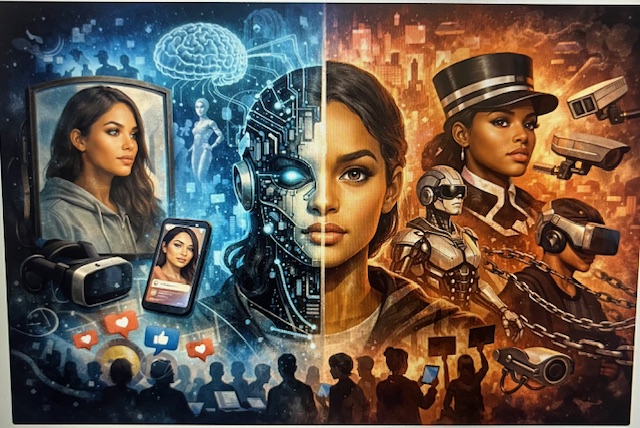
People's perceptions of themselves have changed because of technology, particularly social media and virtual reality. Today, many people use online profiles, avatars, and filters to create digital representations of themselves. These hybrid identities blur the line between real and virtual life. In “ What Teenagers Are Saying About Altering Photos to Look Better Online” (New York Times, 2026), some view this as a form of independence that lets individuals explore their identities without worrying about rigid societal norms. Others contend that, because of their extreme control, these spaces could stifle rather than free identity. This tension echoes the concepts in Janelle Monáe's Dirty Computer and Donna Haraway's cyborg theory, both of which caution against control systems while seeing hybridity as a route to emancipation.
Technology and Fluid Identity
Today, the use of online identities and avatars in virtual environments such as social media and gaming platforms is a prominent illustration of fluid identity. Users are free to play with their look and personality in these settings. This may be empowering for a lot of individuals, particularly those who feel excluded offline. Digital worlds, for instance, can help people with impairments move and engage in ways that are challenging in real-world settings. According to this viewpoint, technology contributes to the expansion of freedom and the dismantling of restrictions. As demonstrated by Proulx (2026), digital identity can seem both liberating and constricting. While some young people view photo-editing technology as a means of freely expressing themselves, others are concerned that it promotes continual self-monitoring and comparison.
Haraway and the Cyborg
This is closely related to Haraway's concept of the cyborg. Humans and robots are no longer distinct, she contends. Our identities are shaped by our phones, profiles, and online networks. We are already cyborgs in this way. Both biology and technology help to shape who we are. As Haraway envisioned, digital technologies enable people to develop more flexible identities and challenge established classifications.
Digital Resistance and Monae
This type of hybridity is also celebrated in Janelle Monáe's Dirty Computer. Characters that don't conform to social norms are branded as "dirty" and singled out for deletion in the movie. They fight against domination via technology, music, and memory. They have futuristic, queer, and flexible identities. This demonstrates the widespread use of internet platforms by individuals today to create groups, exchange stories, and challenge prevailing narratives.
Online Limits
Digital identity is not entirely liberated, though large businesses that profit from users' self-expression dominate these same platforms. Social media algorithms conceal some viewpoints, lifestyles, and body types while promoting others. Unrealistic beauty standards are sometimes reinforced by filters. People's freedom of expression may also be restricted by online abuse and surveillance. Hybridity has the potential to replicate historical disparities in new digital forms.
Online freedom, according to some critics, is a myth. Although consumers have a sense of empowerment, their data is continuously gathered and made profitable. Their identities become goods. They could just be engaging in a more sophisticated kind of social control rather than avoiding it. According to this viewpoint, businesses gain more from digital hybridity than people do.
Debate
Many people are actively opposing these limitations at the same time. Alternative platforms are made by artists. Activists use internet tools to organize. Users create autonomous groups and alter algorithms. These acts imply that, despite limitations, technology may still be applied politically and artistically. The way individuals choose to utilize technology may be more liberating than the technology itself.
Future Outcome
In the next twenty to thirty years, identity could become even more changeable and fractured. Advances in brain-computer interfaces, immersive virtual worlds, and artificial intelligence have made it possible for humans to have many digital personas for various purposes. Unprecedented freedom of expression could result from this. However, it can also result in more surveillance and privacy invasion.
The ownership of digital identities may be the focus of future conflicts. Will people oversee their online personas, or will governments and businesses? Digital citizenship, virtual autonomy, and data rights may give rise to new kinds of opposition. Future generations could battle for freedom to exist in hybrid areas, much as previous generations did for things like civil rights.
Conclusion
In the end, digital identity embodies the danger and the potential that Haraway and Monáe envisioned. In addition to generating new kinds of control, it presents new opportunities for community and self-expression. In addition to technology, political decisions, social movements, and daily user behavior all influence whether hybridity turns into a weapon for emancipation or dominance.
Sources
 The Learning Network. (2026, January 29). What Teenagers Are Saying About Altering Photos to Look Better Online. The New York Times. https://www.nytimes.com/2026/01/29/learning/what-teenagers-are-saying-about-altering-photos-to-look-better-online.html?smid=url-share
Proulx, N. (2026, January 15). Is It OK to Alter Photos of Yourself to Look Better Online?
The New York Times. https://www.nytimes.com/2026/01/15/learning/is-it-ok-to-alter-photos-of-yourself-to-look-better-online.html?smid=url-share
Monáe, J. (2010). The ArchAndroid [Album]. Bad Boy Records/Atlantic Records.
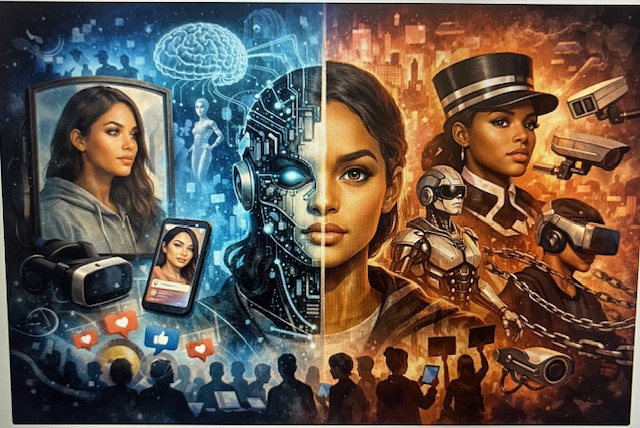
AI Attestation- ChatGPT was used to create the image used in this post. This is an illustration of what the blog is talking about.
OpenAI. (2026). Digital illustration of hybrid identity, social media, and cyborg self-representation [AI-generated image]. ChatGPT https://chatgpt.com/share/69968a31-2e0c-800d-88c0-54a524f396e6
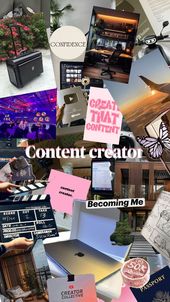 The creator economy has opened real pathways for people to shape their own public identities and income streams. Recent reporting on the “Creator Economy 3.0” describes creators building direct relationships with audiences and operating as independent brand entities rather than relying on traditional corporate gatekeepers (Malik, 2024). This shift gives individuals space to define their own voice, aesthetic, and narrative. Haraway’s cyborg rejects fixed categories and stable boundaries, and in this sense, the creator becomes a hybrid subject who moves between worker, artist, entrepreneur, and persona. Monáe’s android identity in The ArchAndroid offers a parallel example. Her persona crosses lines between human and machine, performance and self, using hybridity as a form of expression and resistance. In the creator economy, people construct public selves that can challenge expectations around gender, race, class, and profession.
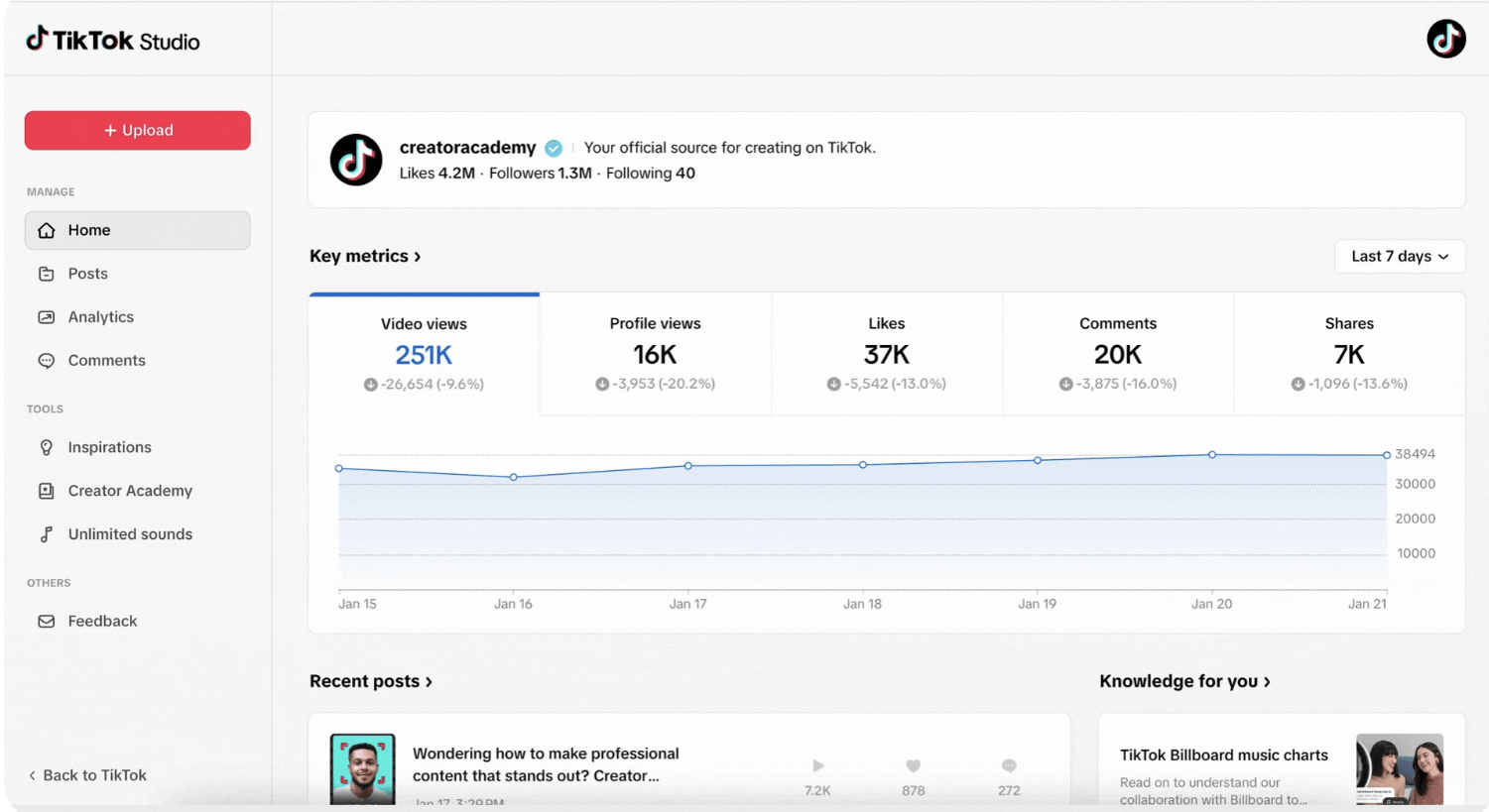 At the same time, the systems that enable visibility also shape how identity appears. One account of creator labor describes how the most popular posts are often the least honest ones because they align more closely with platform incentives and audience expectations (Glass, 2024). This points to a subtle shift. Identity becomes something that is adjusted, curated, and optimized for reach. The algorithm does not simply distribute content. It rewards certain forms of self-presentation and discourages others. Haraway’s idea of the informatics of domination helps explain this dynamic. Technological systems organize social relations and influence what kinds of identities gain visibility. In this environment, the self is expressive and strategic at the same time, shaped by both personal intention and platform logic.
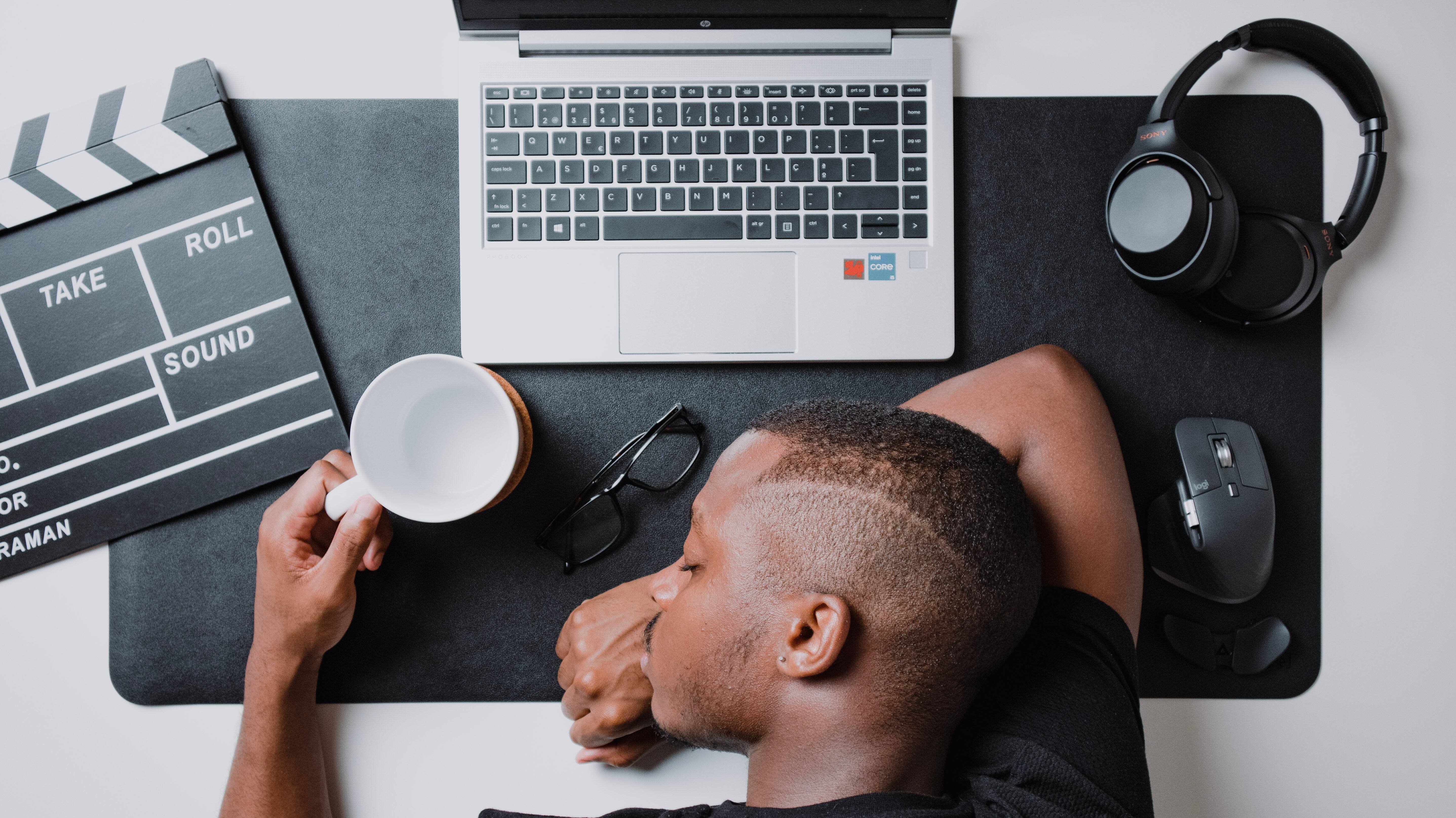 The pressure created by these systems has real effects on creators’ lives. Reports on influencer burnout describe constant expectations to produce, maintain engagement, and remain visible, which often lead to exhaustion and reduced creative autonomy (“Invisible influencer burnout,” 2024). The boundary between personal identity and labor becomes difficult to separate. The hybrid self that once felt empowering can begin to feel like a responsibility that never turns off. The creator gains independence from traditional workplaces, yet becomes accountable to an ongoing stream of metrics and performance signals. This reflects the tension at the center of both Haraway’s cyborg and Monáe’s android. Hybridity opens space for new identities and new freedoms, while still operating within systems of power that shape how those identities are expressed and valued.
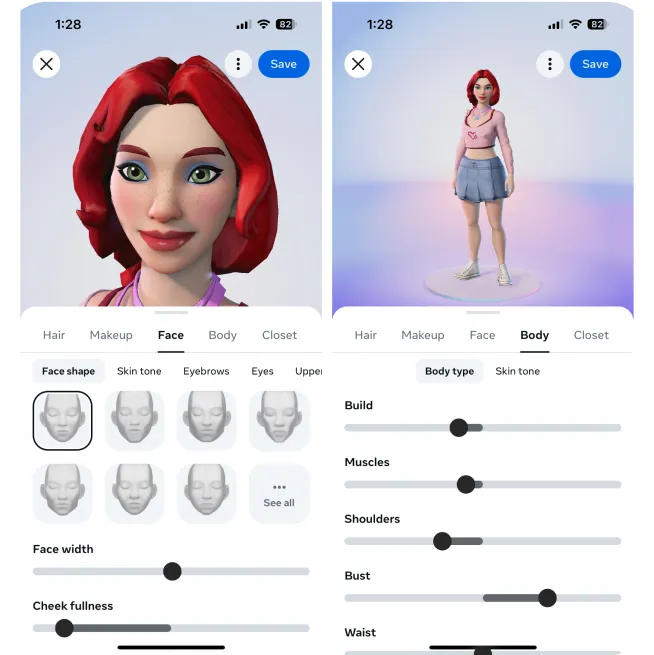 Looking ahead, this hybrid identity will likely become even more complex. Over the next 20 to 30 years, creators may manage multiple digital selves across different platforms, supported by AI tools that help generate content, analyze audiences, and even perform parts of identity. Virtual influencers and avatar-based personas may become more common, allowing people to design forms of selfhood that are not tied to a single physical body. This could expand opportunities for expression and allow marginalized voices to build identities outside restrictive social categories. At the same time, these identities may be more deeply shaped by platform governance, data ownership, and algorithmic visibility. The future of the creator economy may involve both expanded freedom to construct identity and more sophisticated systems that guide and evaluate those constructions.