Would You Upgrade Yourself? The Temptation of Becoming Something More Than Human
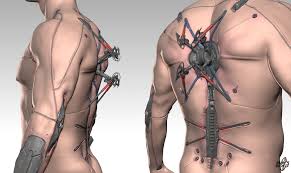
Would you try a safe, reversible technology that let people mix with animals? Cyberpunk stories always picture worlds where technology changes the human body, which makes us question what it really means to be human. If I had to choose, I would mix my own abilities with those of an octopus. It may sound strange at first, but the octopus is a very interesting example of intelligence, adaptability, and sensory awareness. Considering this type of hybrid identity uncovers profound inquiries regarding humanity, technology, and inequality.
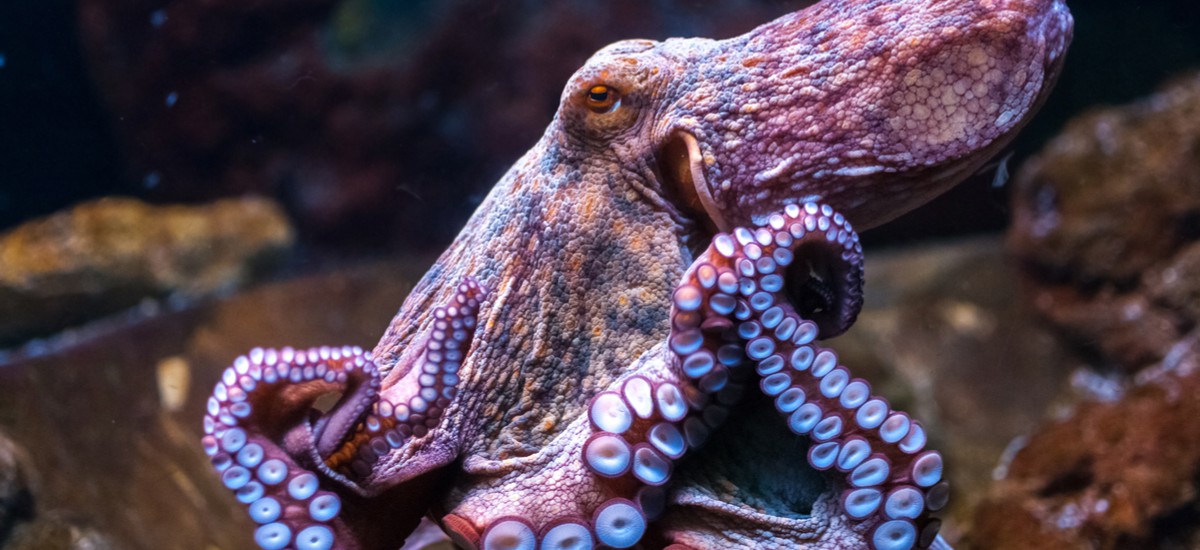
Why an Octopus? Numerous individuals believe that octopuses are some of the smartest animals in the ocean. Researchers have seen them use tools in new ways, solve puzzles, and even open containers. Current Biology published a study that says octopuses have advanced learning and problem-solving skills that are on par with those of many vertebrate species.
If I could take on a few of an octopus's traits, I would mostly want to improve my brain and senses, not make big changes to my body. Octopuses have a distributed nervous system, which means that their neurons are spread out throughout their bodies instead of being all in their brains. A human-octopus hybrid might be able to do more than one thing at a time or process more than one stream of information at a time.
Physically, I would like small changes, like better dexterity, better touch sensitivity, and maybe even the ability to change the color of my skin. Octopuses can change the color of their skin right away to hide or send visual messages. In a human context, that ability could evolve into a novel mode of nonverbal communication rather than mere concealment.
Are You Still Human? This thought experiment raises a larger philosophical question: what does it mean to be human?
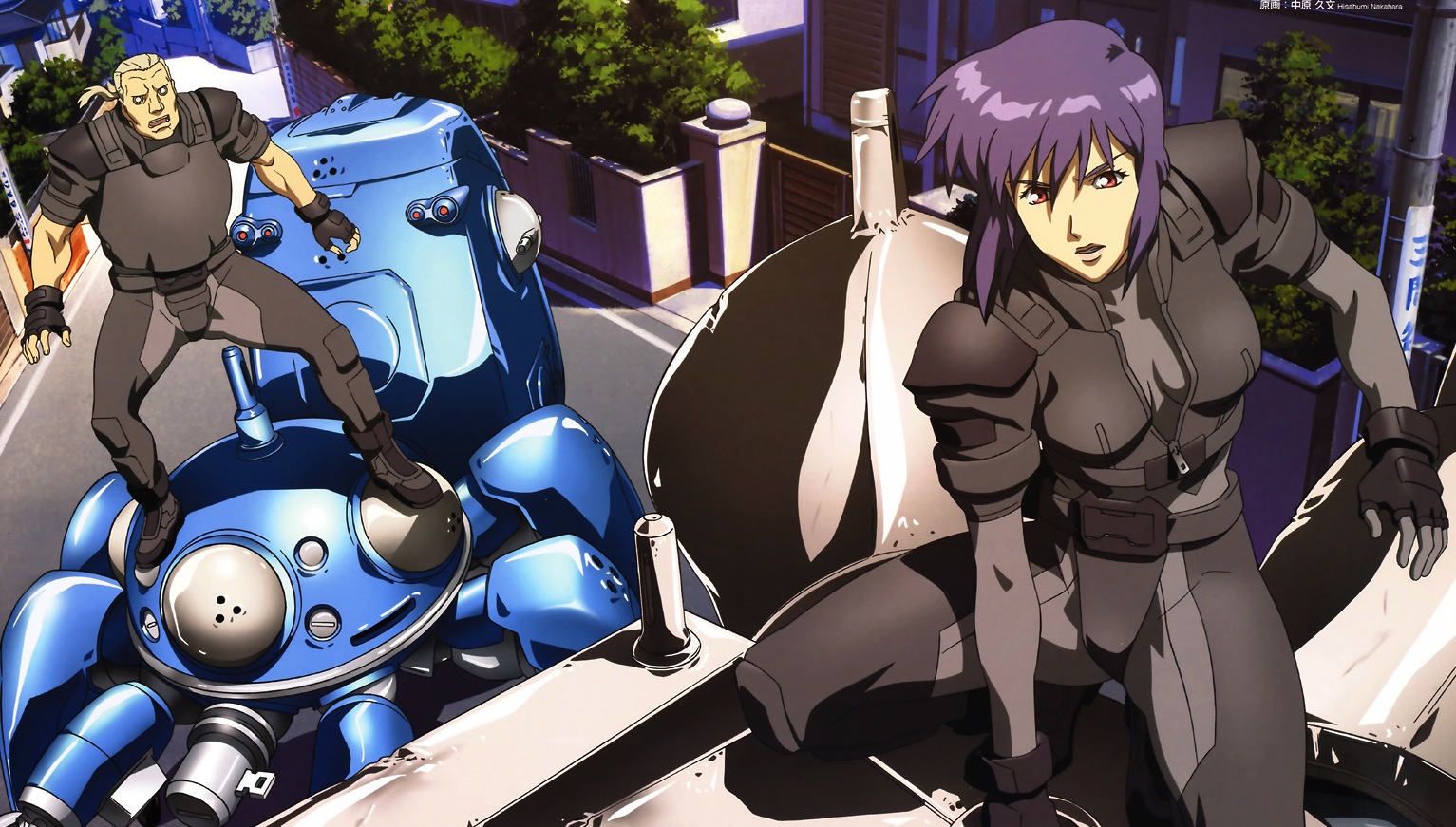
This idea is always being explored in cyberpunk fiction. Replicants in Blade Runner look and act like people, but people treat them like machines. In Ghost in the Shell, on the other hand, Major Motoko Kusanagi lives in a body that is completely cybernetic, but she still has trouble figuring out who she is and what consciousness is.
Both stories imply that humanity may not rely on biological purity. It might depend on things like memory, self-awareness, and consciousness. Even if someone had better skills or a body that was only partly human, their thoughts and feelings could still make them human.
Philosopher Donna Haraway famously said that we are already cyborgs because technology changes our lives and who we are all the time. Smartphones, medical implants, and AI are already making it hard to tell the difference between people and machines.
Hybridization with animals would simply push that boundary further.
The Real Problem: Who Gets the Upgrade?
The biggest concern with enhancement technology is not the science itself but who gets access to it. New technologies often begin as costly advancements accessible solely to affluent individuals or influential organizations. If hybridization technology worked the same way, enhanced humans might have mental or physical advantages over people who have not been changed. This could lead to a new type of unfairness.
This is something that happens a lot in cyberpunk worlds. In Ghost in the Shell, cybernetic upgrades are common, but they are still very much linked to the power of the government and businesses. In the same way, replicants in Blade Runner are made beings that live in strict social hierarchies.
Similar ethical issues are still raised in discussions about gene editing, neural implants, and human augmentation. According to World Economic Forum reports, if access to advanced biotechnology is restricted, it may worsen social inequality.
The Posthuman Era
Imagining human-animal hybridization ultimately emphasizes one of cyberpunk's central tenets: humanity is not a fixed category. Rather, it develops in tandem with technology and our comprehension of intelligence.
Humanity wouldn't necessarily disappear if we adopted octopus characteristics. Rather, it might signify a new phase of human growth in which intelligence and adaptability surpass conventional biological bounds.
Cyberpunk tales, however, constantly serve as a reminder that technological prowess will never be the greatest obstacle. The true question is who gains from those technologies and how society decides to use them.
References
Godfrey-Smith, P. (2016). The octopus: A model for a new science of intelligence. Current Biology, 26(20), R1021–R1024.
World Economic Forum. (2023). The Future of Human Augmentation.
AI Disclosure
I used ChatGPT to help brainstorm ideas, organize the structure of this blog post, and improve clarity in my writing. The overall argument, topic choice, and final edits were my own.