Everyone's Favorite Media: Fox News
Everyone's Favorite Media:
Fox News
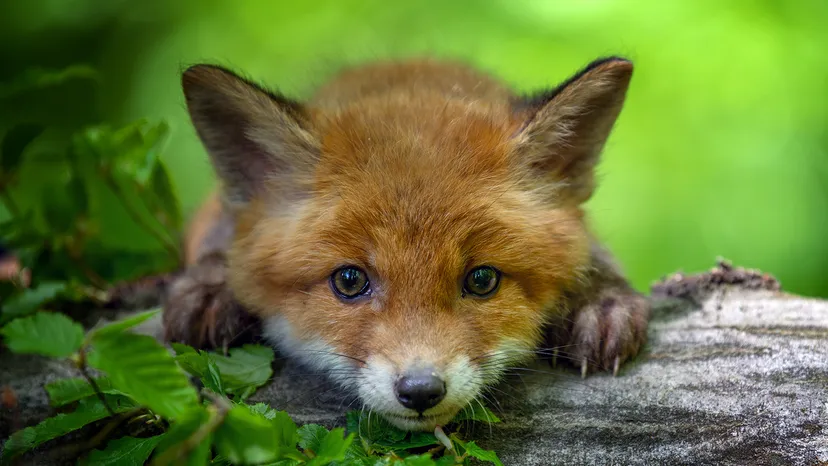
In a perfect transformation, through whatever magical creations that be, I would choose to blend my humanity with the cunning, quiet intelligence of a fox. This is most definitely influenced by my eternal love for foxes, which is perfectly normal and surely not embarrassing at my decrepit age.
What It Might Look Like
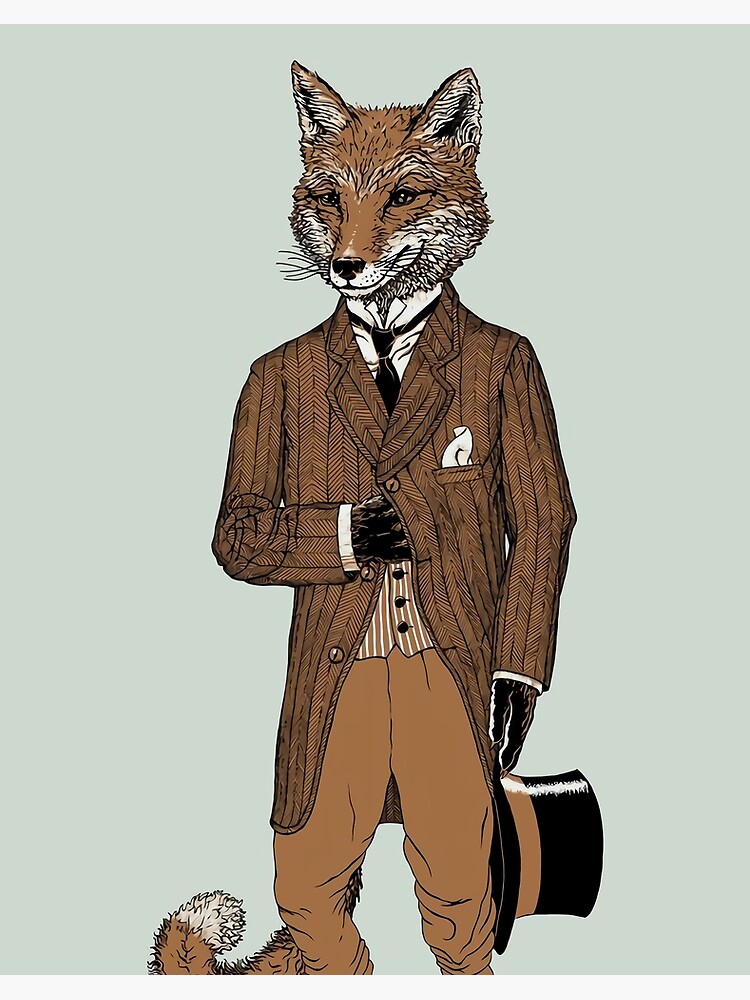
- Cognitive enhancement: Sharpened perception, hyper-awareness of surroundings, and an intuition for patterns invisible to the human eye (Malkemper & Peichl 2018).
- Physiological adaptation: Agility, stealth, and endurance. Foxes are able to move through dense forests, urban landscapes, or tight spaces with ease, so a human would appear hyper-agile and incredibly silent (Oehler et al. 2025).
- Behavioral shift: Playful curiosity paired with careful observation; foxes have a knack for reading social and environmental cues, and are intelligent enough to amuse itself through learning and engagement (Eaton, Billette, & Vonk 2020).
Note that, in spite of the behavior being animal-originating, every facet that I wish to use has a basis in humanity. I don't want to replace my humanity; I want to expand it, with the attitudes and behaviors of the common fox acting as my enhancer.
Why the Fox?
Besides being the best animal to ever exist, foxes are already, in a highly subte and nuanced way, posthuman in the Haraway sense.
Foxes act as masters of adaptation, as they have the ability to thrive in rural and urban areas, with their coats able to blend seamlessly with the seasonal change. Foxes can combine solitude with social awareness; they hunt alone, but form networks when needed. They're infamously intelligent, flexible, and communicative.
In other words: foxes and humans are much more similar than one might think.
Foxes and Cyborgs
A cyborg is, objectively, a transformation. A fox-human hybrid completely embodies the challenging of boundaries between human and animal, especially when focusing on the areas of overlap.
Foxes and Replicants
Replicants ask the question: What makes something human enough?
Transforming into an "updated" person through the transformation into a fox's persona demands the same concern. I would always identify as human, especially if I maintained control over my psyche, but since much of a fox's skills lies within their cognitive and behavioral distinctions, an element of my cognition would definitely be impaired.
Foxes and Ghost in the Shell
Major Kusanagi's main internal conflict rests within her fight to accept and understand where her consciousness, as a cyborg, truly resides. If perception is multi-sensory and instinctual, thereby relying on something other than internal thoughts or human emotion, then consciousness itself would have to hybridize.
If identity and a person's consciousness are intertwined, as I have argued on multiple occassions, then merging with an animal as clever as the fox would mean the unquestionable alteration of consciousness. Thus, identity would have to be changed; I wouldn't truly be human, even if I would naturally wish to call myself one, because my very core has been altered.
The Expansion of Humanity
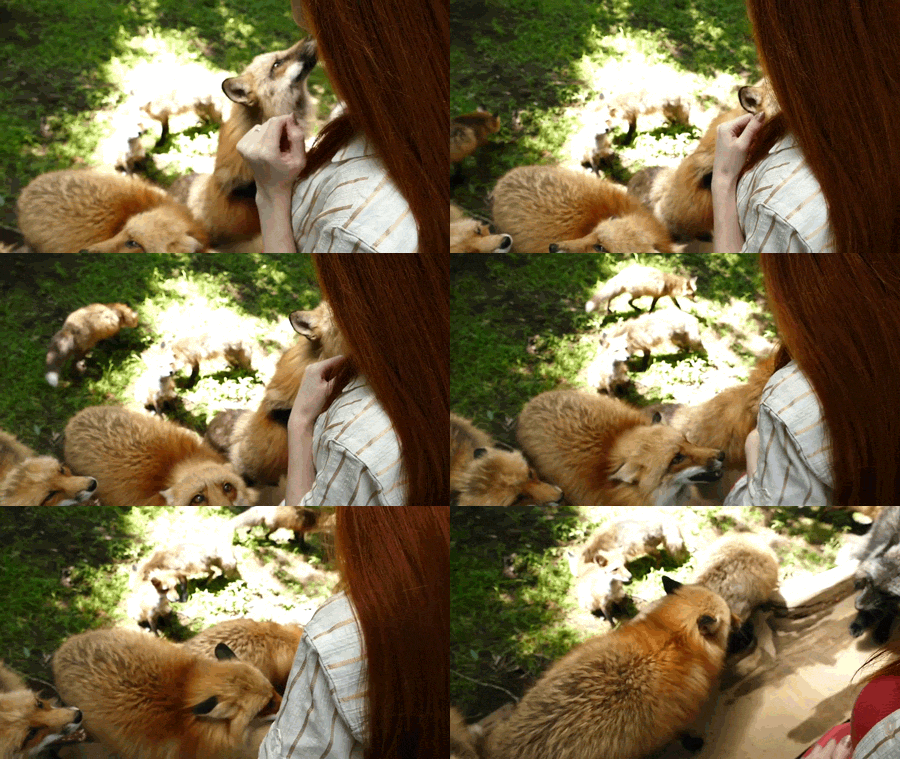
As stated earlier, a fox and a human overlap in personal traits frequently enough that the combination would create an expansion and enhancement of a human basis. However, since that very enhancement would take the form of a new mentality within an individual, an entirely new being would have to be born.
Foxes are incredible creatures. For all their faults, humans are decent enough. Blending the two would demand the emergence of something new; as much as we may want to maintain hold of our humanity, I firmly believe that human nature is too heavily linked to our thoughts, memories, and emotions. Foxes, as creative and resourceful and thoughtful as they are, would undoubtedly unravel that very boundary, leaving only one way to preserve one's hold on their humanity: utter delusion.
References
Eaton, T., Billette, P., & Vonk, J. (2020). Are there Metacognitivists in the Fox Hole? A Preliminary Test of Information Seeking in an Arctic Fox (Vulpes lagopus). Behavioral Sciences, 10(5), 81. https://doi.org/10.3390/bs10050081.
Malkemper, E. P., & Peichl, L. (2018). Retinal photoreceptor and ganglion cell types and topographies in the red fox (Vulpes vulpes) and Arctic fox (Vulpes lagopus). The Journal of Comparative Neurology, 526(13), 2078–2098. https://doi.org/10.1002/cne.24493.
Oehler, F. et al. (2025). How do red foxes (Vulpes vulpes) explore their environment? Characteristics of movement patterns in time and space. Movement Ecology, 13(1), 4. https://doi.org/10.1186/s40462-024-00526-1.
AI Attestion: I did not use AI in any way during the creation of this post. I obtained the photos and gif from Google Images, and attempted to choose what I hoped was not generated through AI images. If any of the pictures or the gif was created through artificial technology, I was unaware!