Imagining the Posthuman
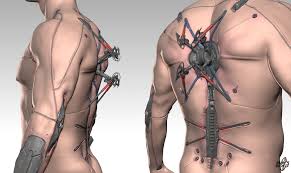
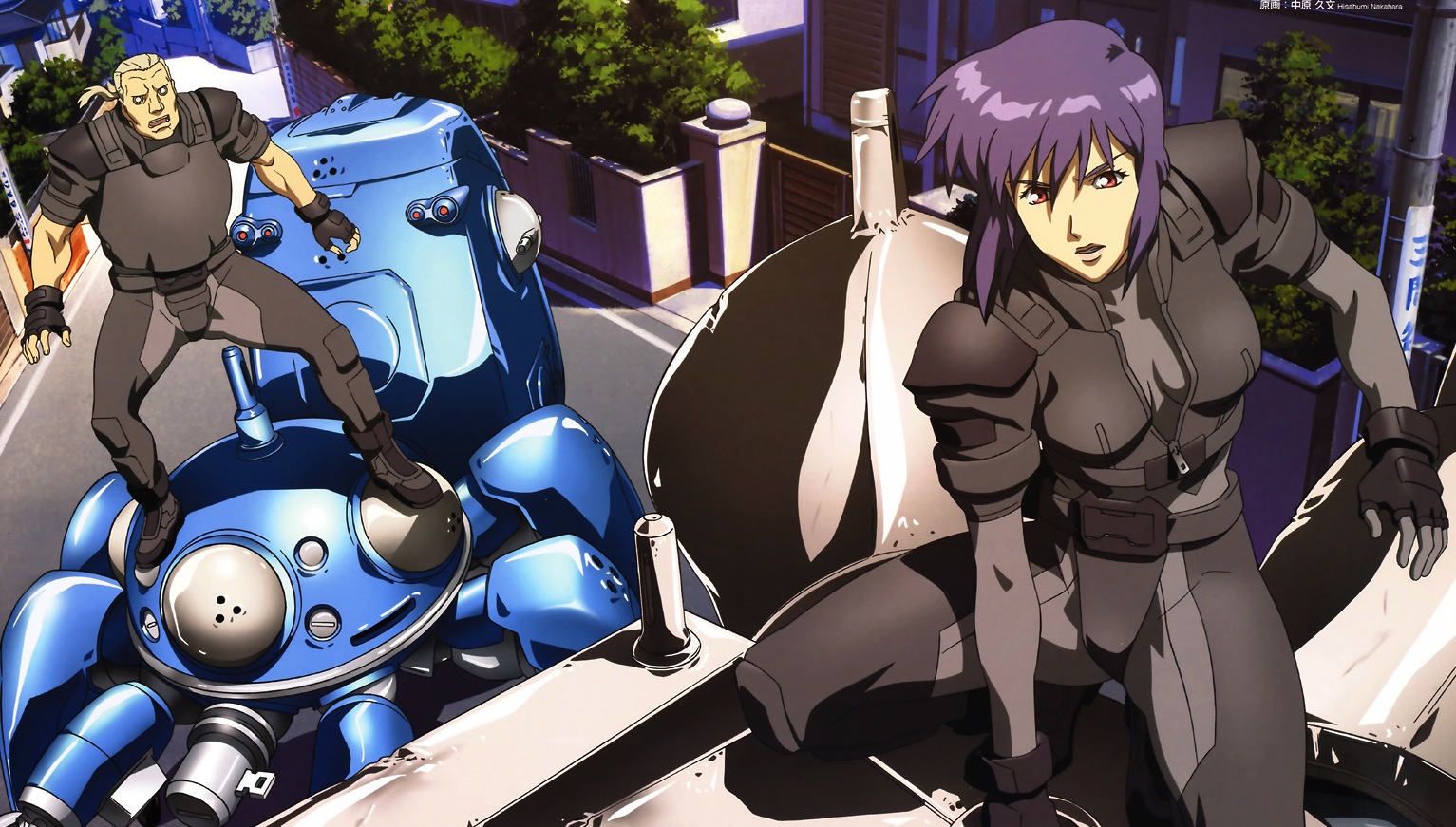
Cyberpunk stories often explore the moment when the boundaries between human and nonhuman begin to disappear. Donna Haraway’s idea of the cyborg challenges the belief that humans exist separately from technology, animals, and machines. Instead, she argues that modern society already blurs those lines in many ways (Haraway, 1985). Stories like Blade Runner and Ghost in the Shell continue this conversation by asking difficult questions about identity, consciousness, and what it actually means to be human.
Thinking about these ideas leads to an interesting thought experiment. If safe and reversible technology existed that allowed humans to hybridize with animals, how far should we go? What would we gain, and what might we lose? While this idea may sound like science fiction, it forces us to reflect on the deeper question cyberpunk constantly asks: what defines humanity when the boundaries of the body can be changed?
Why I Would Choose a Horse
If I could hybridize with an animal, I would choose a horse, similar to the centaurs in Greek mythology. Horses represent speed, strength, and freedom. They are also some of the most noble animals in the natural world. Horses are known for their loyalty and their connection with humans, and I think that loyalty is a trait that could benefit humanity beyond just physical improvements.
Hybridizing with a horse would not only provide practical advantages like speed and stamina, but it would also symbolize something deeper. Horses represent independence and movement, the ability to travel long distances and explore the world freely. That sense of freedom is something that many people today feel they lack in modern society.
At the same time, this choice feels more grounded than some other possibilities. Becoming something like an octopus might be fascinating, but it would also drastically change how a person exists and interacts with the world. A human-horse hybrid feels like a balance between transformation and familiarity.
How Much Should We Change?
If I had the choice, I would only transform half of my body, specifically my legs and the lower part of my torso, similar to a centaur. This would provide the physical advantages of a horse such as greater speed, endurance, and strength, without completely removing the human aspects of identity.
This balance is important. Enhancement technologies should improve human abilities without completely erasing what makes us human in the first place. A transformation that changes too much might lead to a loss of connection with our own humanity.
Cyberpunk stories often explore this exact tension. In Ghost in the Shell, characters struggle with the idea that their bodies can be replaced with cybernetic parts while their consciousness remains the same. At what point does someone stop being human? That question becomes even more complicated when physical changes alter how we experience the world.
What Defines Humanity?
For me, humanity is not just about physical biology. Humanity is defined by the ability to think beyond immediate situations and consider the well-being of others. It means being able to act selflessly and make decisions that benefit both our communities and the global population.
To be human means showing compassion, protecting others, expressing humility, and recognizing that our actions affect more than just ourselves. Humanity is the ability to care, to protect, and to cooperate with others in order to create a better world.
Even if technology changes our bodies, these qualities should remain at the center of what defines us.
The Problem of Access and Inequality
One of the biggest issues with enhancement technology is access. In many cyberpunk stories, new technologies are controlled by powerful corporations or governments, which creates massive inequalities between those who can afford enhancements and those who cannot.
In my view, if this kind of hybridization technology existed, access should be equal for everyone who wants it. The improvements should be standardized so that no one gains unfair advantages over others. Without equal access, society could easily divide into enhanced and non-enhanced populations, which would create new forms of inequality.
Philosopher Nick Bostrom has warned that human enhancement technologies could eventually create social divisions between enhanced and non-enhanced individuals (Bostrom, 2005). Cyberpunk stories often show how dangerous that divide can become.
New Forms of Discrimination
Even if the technology were accessible to everyone, it could still create new social tensions. Some people might choose to hybridize while others might prefer to remain completely human. This difference alone could lead to discrimination or cultural divisions.
There are also practical questions to consider. For example, if the transformation were reversible, some people might want to switch back and forth between forms depending on their lifestyle or needs. Others might feel strongly that changing the human body at all crosses an ethical line.
Because of these possibilities, hybridization technology would not just change individuals, it would reshape society itself.
Conclusion
The possibility of human–animal hybridization raises deep questions about identity, ethics, and equality. While the idea of becoming a horse-human hybrid could provide physical advantages like speed and stamina, it also forces us to think about what parts of humanity we want to preserve.
Cyberpunk stories remind us that technological progress always comes with consequences. The real challenge is not just what technology can do, but how humanity chooses to use it. No matter how advanced enhancement technologies become, the qualities that define humanity like compassion, cooperation, and responsibility should remain at the center of our
decisions.
AI Attestation: I attest I did not use AI to generate this post
References:
Haraway, D. (1991). 1 Donna Haraway, "A cyborg manifesto: Science, technology, and socialist-. https://www.sfu.ca/~decaste/OISE/page2/files/HarawayCyborg.pdf
Bostrom, N. (2005). A history of transhumanist thought. Journal of Evolution and Technology. https://nickbostrom.com/papers/a-history-of-transhumanist-thought/