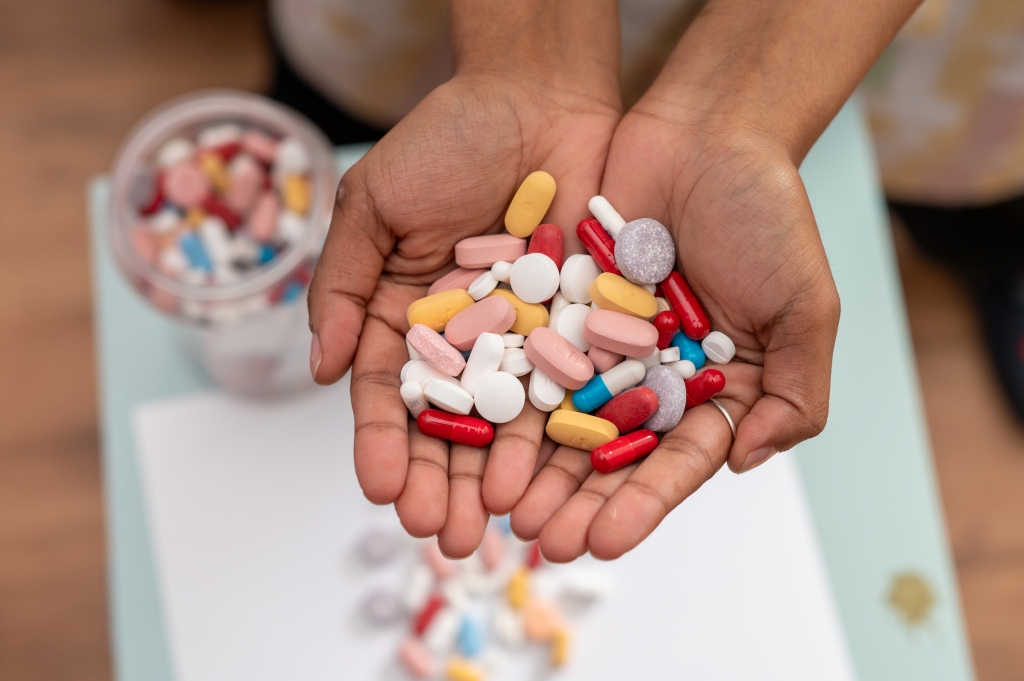
Pharmacy Mirrors Cyberpunk World
A clear similarity of corporate dominance in cyberpunk and that which is seen in our world is the pharmaceutical industry. The pharmaceutical industry’s pricing practices show how corporate power can monetize human lives. These practices directly shape who’s live can be saved and who can get access to things that are means of survival. This is specifically seen in medications like insulin, which are a common topic of discussion because of how expensive this life-changing medication is for those people who are diagnosed with diabetes.
Based on data from a research report by Andrew W. Mulcahy and Daniel Schwam, which compares insulin prices in the United States with those in other wealthy countries, it shows that insulin prices in the United States are nearly 10 times higher than in other wealthy countries. Researchers publishing in JAMA Network Open further explain that insulin list prices have steadily increased for decades, even as negotiations made the system more complex and less transparent. This system mirrors cyberpunk corporations like the Tyrell Corporation in Blade Runner. In that world, access to life through replicants is controlled by a corporation that decides who is valuable enough to exist. In reality, pharmaceutical pricing isn’t creating life; it is sustaining it by playing the role of caregiver and allowing for a better quality of life.
This issue derives from the fact that big companies, which are components of the capitalistic society, act as intermediaries between drug companies and insurers. Regulators have accused these firms of steering patients toward higher-priced drugs to maximize profits. Just like in fictional texts we have read, like Neuromancer, big corporations dominate entire networks; real-world pharmaceutical and insurance systems create so much control that it is made difficult for individuals to navigate or challenge.
I think we are heading toward a cyberpunk future because of the massive influence on public health. When a company can effectively determine whether a patient can afford insulin, it holds a form of biopolitical power that cyberpunk stories exaggerate but do not invent. I think the cyberpunk corporate dominance is a hyperbolic critique. This is because it imagines worlds where corporations have so much power that they basically control who lives and who dies. This is very dramatic, but the insulin situation is a real version of that.
Pharmaceutical pricing reveals a major difference between the U.S. and other countries. In many European nations, governments negotiate drug prices directly or impose strict pricing regulations. As a result, insulin costs are far lower abroad. This suggests that the issue is not just corporate greed, but also policy structure. The U.S. healthcare system allows more pricing freedom, while other countries prioritize universal access over market flexibility. Pharmaceutical pricing shows that we are not living in a full cyberpunk dystopia, but we are close enough to see its outlines. When corporations can influence who gets access to life-saving medication, they begin to resemble the powerful entities in Blade Runner and Neuromancer. The difference is that, for now, we still have tools to resist: regulation, public pressure, and critical awareness. Cyberpunk reminds us that the future is not predetermined; it is shaped by how we respond to the systems we build today.