Are We Living in a Cyberpunk Prologue?
When Corporations Write the Rules: Are We Living in a Cyberpunk Prologue?
In cyberpunk worlds, governments fade into the background while corporations become the real centers of power. From the Tyrell Corporation in Blade Runner to Tessier-Ashpool in Neuromancer, these entities control labor, technology, and even human identity. What once felt like speculative fiction now feels eerily familiar. Across industries, from Big Tech to pharmaceuticals, real-world corporations increasingly shape public policy, economic opportunity, and even the boundaries of human autonomy.
Surveillance Capitalism: Owning Not Just Data, but Behavior
One of the clearest parallels to cyberpunk fiction lies in what scholars call surveillance capitalism. Companies like Google and Meta Platforms collect massive amounts of user data( not just to understand behavior), but to predict and influence it. According to Shoshana Zuboff, this model turns human experience into raw material for profit, often without meaningful consent. This echoes Neuromancer, where corporations don’t just sell products, they shape reality itself. In both cases, individuals become resources. The difference? Today’s version operates quietly, embedded in everyday apps and platforms.
Pharmaceutical Power: Pricing Life Itself
The pharmaceutical industry provides another stark example. Companies like Eli Lilly and Pfizer have faced scrutiny over drug pricing practices, particularly in the United States. For instance, insulin prices rose dramatically over decades, despite the drug being discovered over a century ago.
This dynamic resembles Machinehood, where corporate interests dictate access to life-sustaining resources. When essential medicine becomes a profit-maximizing product, human life risks becoming secondary to shareholder value.
 Insulin
Gig Economy Labor: Disposable Workers in a Digital Machine
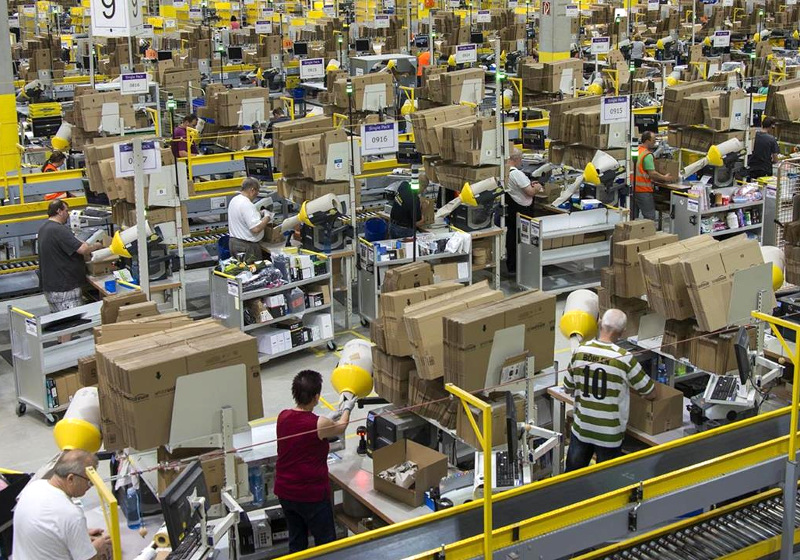
Companies like Uber and DoorDash have revolutionized work, but at a cost. Gig workers are often classified as independent contractors, meaning they lack benefits like healthcare, job security, or minimum wage protections. This mirrors the precarious labor conditions in cyberpunk fiction, where workers are easily replaceable and stripped of rights. The algorithm becomes the boss, opaque, unaccountable, and indifferent. In many ways, the gig economy turns people into extensions of a platform, much like the commodified humans in Blade Runner.
Are We Headed Toward Cyberpunk Reality?
The short answer: partially but not inevitably. Cyberpunk exaggerates for effect, but it is grounded in real trends. Corporate power today is enabled by several factors: Globalization: Corporations operate across borders, often outpacing national regulations. Technological complexity: Governments struggle to regulate rapidly evolving industries like AI. Economic influence: Lobbying and campaign financing allow corporations to shape policy decisions. However, there are still meaningful checks on corporate power. Governments can and do regulate industries; consider antitrust actions against Amazon and Apple. The European Union, in particular, has taken a more aggressive stance on privacy and competition through regulations like the GDPR. Public awareness also plays a critical role. Unlike in cyberpunk worlds, where resistance is often fragmented, today’s citizens, journalists, and researchers actively critique corporate behavior. This critique matters; it shapes public discourse, influences regulation, and holds power accountable.
Is This Uniquely American?
Not entirely, but it is more pronounced in the United States.
The U.S. tends to favor market-driven solutions and has historically been more permissive of corporate consolidation. In contrast, European countries often prioritize consumer protection and data privacy. Meanwhile, countries like China exhibit a different model, where corporate power exists but is tightly integrated with state control, raising its own dystopian concerns.

Why Critique Still Matters
Cyberpunk is not just prediction, it’s warning. By exaggerating corporate dominance, it forces us to confront uncomfortable truths about power, inequality, and technology. We are not yet living in a Blade Runner world. Governments still exist. Rights still matter. But the growing influence of corporations over data, labor, and healthcare suggests that cyberpunk is less a fantasy and more a mirror, one that reflects what could happen if power goes unchecked. The future is not predetermined. Whether we move toward or away from a cyberpunk reality depends on regulation, public engagement, and our willingness to question who really holds power in society.
References
Zuboff, S. (2019). The Age of Surveillance Capitalism. U.S. Senate reports on insulin pricing (2021–2023). European Commission: GDPR and antitrust cases Academic and policy analyses on gig economy labor practices