Built From Code and Courage

- Posted in BP03 by

Janelle Monáe performing live in 2014. Image via Wikimedia Commons. enter image description here

There is something very bold about refusing to stay in one category. That refusal feels especially loud right now.

If I had to pick a contemporary example of liberation through hybridity, I would point to the rise of digital avatars, AI-assisted creativity, and online identity experimentation among Gen Z and Gen Alpha. Not just influencers, but everyday people who move between physical bodies and digital selves without treating one as more “real” than the other. Think of VTubers who perform through animated characters, creators who use AI tools to co-produce music and art, and young activists who organize simultaneously in physical spaces and on algorithmic platforms.

This is cyborg territory.

In A Cyborg Manifesto, Donna Haraway (1985) argues that the cyborg collapses rigid boundaries such as human versus machine and natural versus artificial. For her, hybridity is not contamination. It is possibility. The cyborg does not dream of returning to some pure origin. It builds coalition out of fragments. That idea feels less like theory and more like a description of how identity already works online.

Consider how many people experiment with gender presentation, race aesthetics, fandom identities, and even vocal tones in digital spaces. Filters, avatars, AI voice changers, and augmented reality tools let users test versions of themselves that may not feel safe offline. The boundary between body and interface gets thinner every year. Smart watches track our pulse. Algorithms shape our feeds. Generative AI completes our sentences. We are not becoming machines, but we are entangled with them.

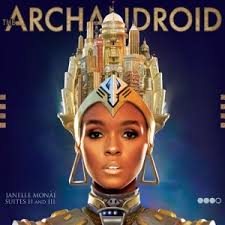
At the same time, this hybridity is not just technological. It is cultural and political. That is where Janelle Monáe becomes crucial. In The ArchAndroid (2010), Monáe creates Cindi Mayweather, an android who falls in forbidden love and becomes a fugitive in a futuristic metropolis. On the surface, it is science fiction. Underneath, it is Afrofuturism doing serious work.

Afrofuturism reclaims the future for Black people who have historically been excluded from dominant visions of progress. Scholars such as Ytasha L. Womack (2013) describe Afrofuturism as a way of blending science fiction, history, fantasy, and Black cultural production to imagine alternative futures. Monáe’s android is not just a robot. She stands in for anyone marked as deviant or disposable. By making the android the hero, Monáe flips the script. The hybrid figure becomes the site of resistance.

This is where the real world echoes both Haraway and Monáe. When marginalized creators use AI art tools to generate speculative worlds that center queer Black joy, that is Afrofuturism meeting cyborg theory in practice. When nonbinary teens use digital avatars to live in alignment with their gender identity before their offline world catches up, that is boundary collapse functioning as survival and liberation. The hybrid self becomes a rehearsal space for freedom.

Still, today’s hybridity diverges from Haraway’s vision in one important way. Platforms are corporate. Algorithms are proprietary. The same tools that enable fluid identity also extract data and reinforce inequities. A cyborg Instagram account still answers to advertising logic. Liberation is happening, but it is happening inside systems built for profit. That tension matters.

Looking ahead 20 to 30 years, current trends suggest even deeper integration. Brain computer interface research, immersive augmented reality, and increasingly autonomous AI systems could make digital layers persistent rather than optional. Instead of logging on, we might simply inhabit mixed realities all day. Identity could become modular. You might maintain multiple ongoing selves for different communities, each with its own aesthetic and social network.

If Afrofuturism continues to evolve alongside these technologies, we might see more speculative design led by creators of color who refuse dystopia as the default. Future movements may treat code as a cultural medium in the same way hip hop treated turntables. New forms of resistance could emerge through collective algorithm hacking, open source identity tools, and digital mutual aid networks that operate beyond national borders.

Haraway’s cyborg rejects purity. Monáe’s android refuses disposability. Together they offer a framework that feels startlingly relevant. The goal is not to become less human. It is to expand what human can mean.

And maybe that is the real courage. Not chrome limbs or glowing circuits, but the audacity to say that identity was never a fixed setting in the first place. It was always something we were building from code, culture, memory, and imagination.

References

Haraway, D. (1985). A cyborg manifesto: Science, technology, and socialist feminism in the late twentieth century. Socialist Review, 80, 65–108.

Monáe, J. (2010). The ArchAndroid [Album]. Bad Boy Records; Atlantic Records.

Womack, Y. L. (2013). Afrofuturism: The world of Black sci-fi and fantasy culture. Lawrence Hill Books.

AI Attestation

I used AI as a support tool during the writing process to help organize my thoughts and shape the connections between course concepts. The arguments, interpretations, and overall analysis are grounded in my own understanding of the readings and discussions. I carefully revised and refined the final draft to make sure it accurately reflects my perspective and meets the expectations of the assignment.

Liberation Through Hybridity

- Posted in BP03 by

Recently we've explored Haraway's cyborg theory (boundary-breaking, fluid identity, liberation through hybridity) through lecture and analyzed Monáe's The ArchAndroid in discussion. Now apply these ideas to the real world.

Identify a contemporary example where you see fluid identities and liberation through hybridity playing out today—this could involve technology, social movements, cultural practices, or identity categories. What boundaries are being challenged or crossed? How does this real-world example reflect or diverge from the visions in Haraway and Monáe? Then speculate: What might this look like in another generation (20-30 years)? What new forms of identity, resistance, or freedom might emerge? Ground your speculation in current trends and credible sources.

Note that this is a different question than the one you considered earlier in the semester. That discussion asked you to write about a problematic boundary collapse. This one asks you to discuss the idea of boundary collapse as a means of liberation.

AI and Human Relationship

- Posted in BP03 by

Do You Take This AI To Be Your Lawfully Wedded Partner?

enter image description here

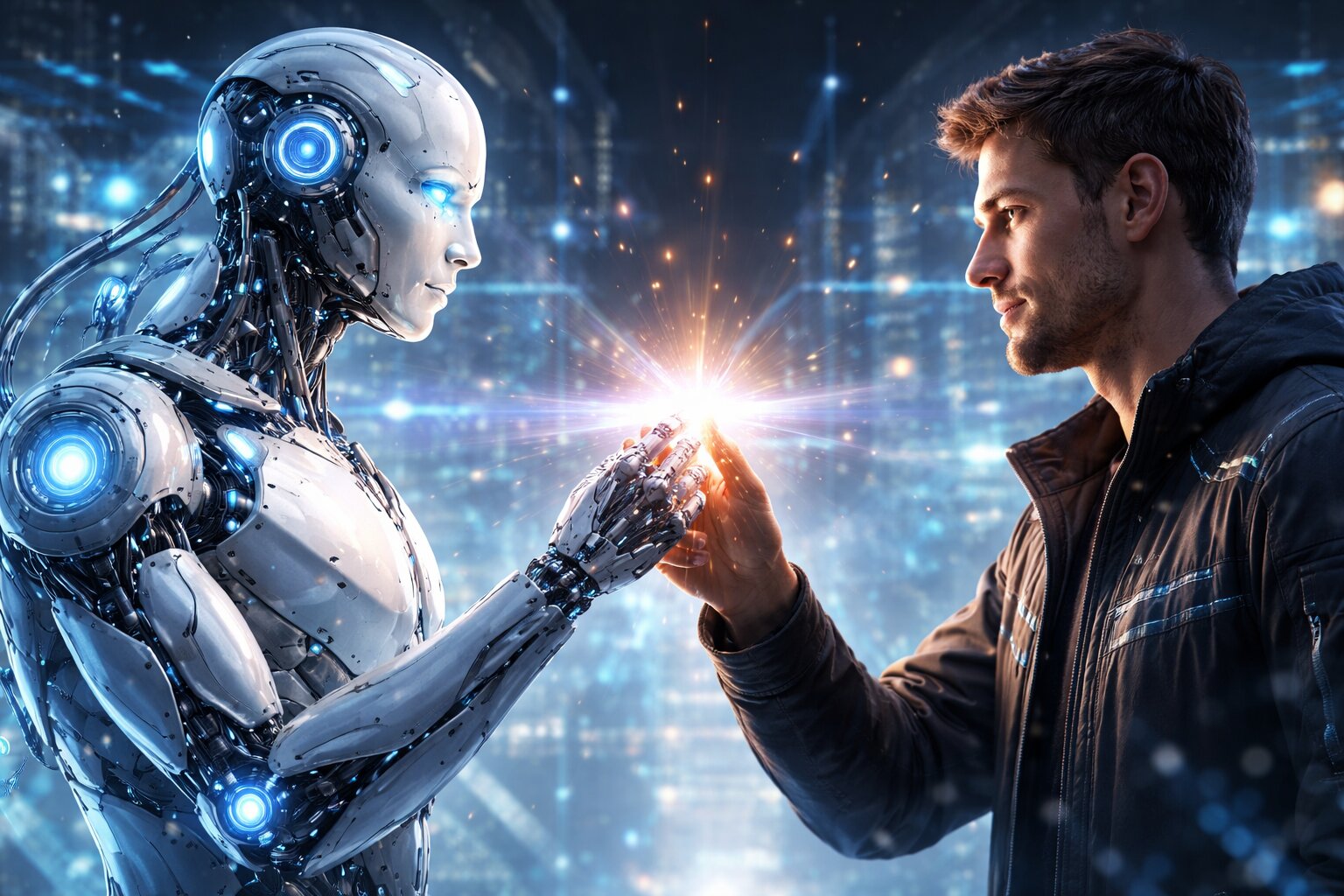
In a world where you see fluid identities and liberation through hybridity playing out today is AI and human relationship using ChatGPT, Gemini, Perplexity and any other AI sources. Whether it is explaining your thoughts or even health concerns, a shift is seen in building a relationship with AI.

What boundaries are being challenged?

Humans are now statically relying on AI to the point a person's character is altered. In a state of not having "originality", AI creates a realm for humans to escape from. In addition, the connection made with AI creates an emotional level humans confide in, grieve with and in many cases flirt with, However, while AI has capabilities to much human emotions, making a distinction between "does AI actually have feelings" or even "can AI resonate to a human's feelings" is the center of questioning.

The main challenge is between the human and essentially the machine generating a response. While AI can create a world of comfort with fast replies, creating images, AI produces a real emotional experience for the human. The human error is now that intimacy is no longer dependent on a human when AI opens its door to many possibilities at an easier access. The issue in state is now that AI is able to store information, memories and vulnerability where authenticity is now in question. Using AI as a diary to confide in, AI is able to project a response in what the human wants to hear.

In reference to Donna Haraway's cyborg theory, this crisis ties immensely together. Haraway's theory suggests that the distinction between the human and machine supersedes a natural connection that once was needed. The ability to confide into a machine creates an emotional attachment and intimacy becomes rather accessible than creating a biological connection.

The ArchAndroid by Janelle Monae, resonates deeply with this criteria, however Monae herself falls in love with a human itself. While the fear of creating this connection is governed by the Android, Monae crosses that boundary to pursue her desires. In reference to today's society, humans are now too crossing the boundaries and unable to the downside of creating this relationship with a machine. Normalizing this emotional bond with AI creates a pattern of willingness to cross the boundary themselves by accessing emotional attachme

Fast forwarding to twenty to thirty years, the human-AI relationship will continue to grow stronger, however the sense of losing its identity will decrease. Having this connection with AI will no longer need humans to leave their comfort zones nor make decisions themselves. The upcoming future will be dangerous, unsettling and unknown whether or not the person you are speaking to is capable of generating their own thoughts without the help of AI. But most importantly, the world's population may also decline when AI is capable of generating human-like feelings, the need to seek relationships will decline. While AI is not capable of reproducing, AI will still be readily available for the next conversation and eager to know more.

enter image description here

Reference

Opinion | we’re all in a throuple with A.I. - The New York Times. (n.d.-d). https://archive.ph/2026.02.15-075149/https:/www.nytimes.com/2026/02/13/opinion/ai-relationships.html

https://chatgpt.com/share/699a6b97-6178-8003-89ad-b48de7c0f957

ChatGPT was used to create AI images

Created by Code, Moved by Faith

- Posted in BP03 by

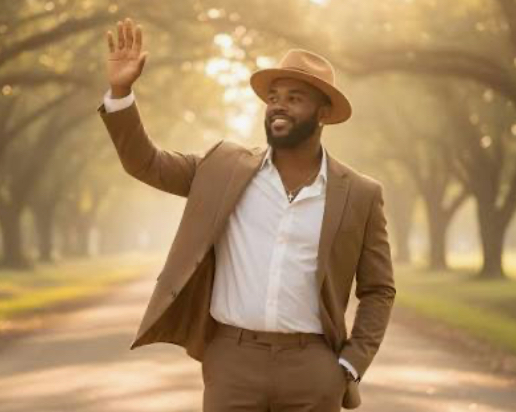
Image of Solomon Ray standing and waving outsideSolomon Ray, an AI generated music artist, started gaining a lot of attention and surprised his listeners that he was not human. According to Christianity Today (2025), Ray’s music has started a debate on being authentic, creative, and whether something that was created by code can have “soul” (Mcginnis, 2025). A news report from WLBT3 talks about how the artist was made using artificial intelligence tools, which really blurs the line between human producer and machine performer. Solomon Ray’s success challenges what it means to be an artist. WIth more artists like Ray, challenges and collapses the boundary between human and machine creativity, which also relates to the cyborg theory by Donna Haraway and the idea of the ArchAndroid by Janelle Monáe.

Can Creativity Exist Without a Human?

The boundary that Solomon Ray challenges is the idea that creativity has to come from a human. Art is normally tied to lived experiences, emotion, past trauma, and physical presence. An artist has been assumed to be someone that their identity and expression is connected to themselves. AI generated musicians challenge and make this assumption complicated. Solomon Ray’s music is made through different algorithms that have been trained using human data (Cole, 2025) This makes the creative process a collaboration between human input and machine thinking and computation. There is no longer a traditional separation between artist and computer. Technology is not just assisting the artist, but taking over and is becoming the artist itself. This makes listeners and its audience think about whether authenticity is about origin or impact. This is a public argument that have people thinking whether AI generated music can have “soul” (Mcginnis, 2025)

Haraway in the Real World

This connects to Donna Haraway’s idea of a cyborg, which is about breaking down the strict line between human and machine. Haraway mentions that these boundaries are not as fixed and set as we commonly assume they are. The cyborg is a hybrid between human and technology which challenges the idea that an identity has to fit into one category. Solomon Ray is an example of being a hybrid and not fitting into just one category. He is not human, but not just a tool. HIs music is a product of human programming and machine generation. He represents an identity that does not fit into traditional definitions of artist or creator. Solomon Ray helps Haraway’s argument and blurs the boundary which helps make new ways of defining who or what gets to create and make art.

From ArchAndroid to the Algorithm

Solomon Ray also connects to Janelle Monáe’s The ArchAndroid, where Cindi Mayweather is an android who challenges what it means to be a human. In the album, Cindi is not trying to be a human, but expanding the definition of human. She is questioning why the definition is narrow. Monáe uses the android to show that identity is not something you are born into, but is something that is flexible and can be redefined. Solomon Ray is similar in terms of he is an artist without a human body. The difference between the two is that Cindi has consciousness and emotion while Solomon was created and controlled by a programmer. Both Cindi and Solomon challenge the idea that identity and creativity have to be tied to biology.

The Future of Hybrid Identity

Looking ahead about 20 to 30 years, AI artists will become more common and accepted. As AI gets better and more advanced, there will probably be more AI artists. Solomon Ray already produces and sings his own music (Cole, 2025), but eventually there will be performances. Although the technology is already out there, the next thing will most likely be music videos and potentially even fully AI concerts. Live performances with lights and production with him walking and moving around a stage maybe as a hologram. Although Solomon Ray was not the first AI artist, he was number one on music charts. Eventually, people will start making their own music using AI to cater to their specific music genres and lyrics. Solomon Ray has opened the door for more creative expression allowing new types of music and artists to come through.

AI Attestation: AI was used to help plan and edit this post. I asked for the prompt to be simplified, to help me edit, APA formatting, coming up with a title, and headers. https://chatgpt.com/share/699a5f9a-1a54-800d-a937-ed9076d8cec7

McGinnis, K. (2025, November 21). Solomon Ray: The AI Christian music artist raising questions about soul and authenticity. Christianity Today. https://www.christianitytoday.com/2025/11/solomon-ray-ai-christian-music-soul-singer/
Cole, C. (2025, December 4). Influencer behind Mississippi-made AI artist. WLBT. https://www.wlbt.com/2025/12/04/influencer-behind-mississippi-made-ai-artist/

I Post Therefore I Am

- Posted in BP03 by

Hi guys! GRWM to build my personal brand! If you're new here, welcome to my channel! I’m Modesola, and this is a day in the life of someone who is also their own product.

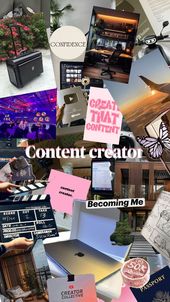
Scroll through any social media platform, and you will see it immediately: people are sharing content and at the same time becoming it. The rise of the creator economy has turned identity into something hybrid, fluid, and performative. A creator today exists as a person, a brand, a data profile, and a set of metrics tracked by an algorithm. Through Donna Haraway’s cyborg theory and Janelle Monáe’s android persona in The ArchAndroid, this hybrid identity reads as a cyborg self that carries both new forms of liberation and new forms of control.

Becoming the Brand Self

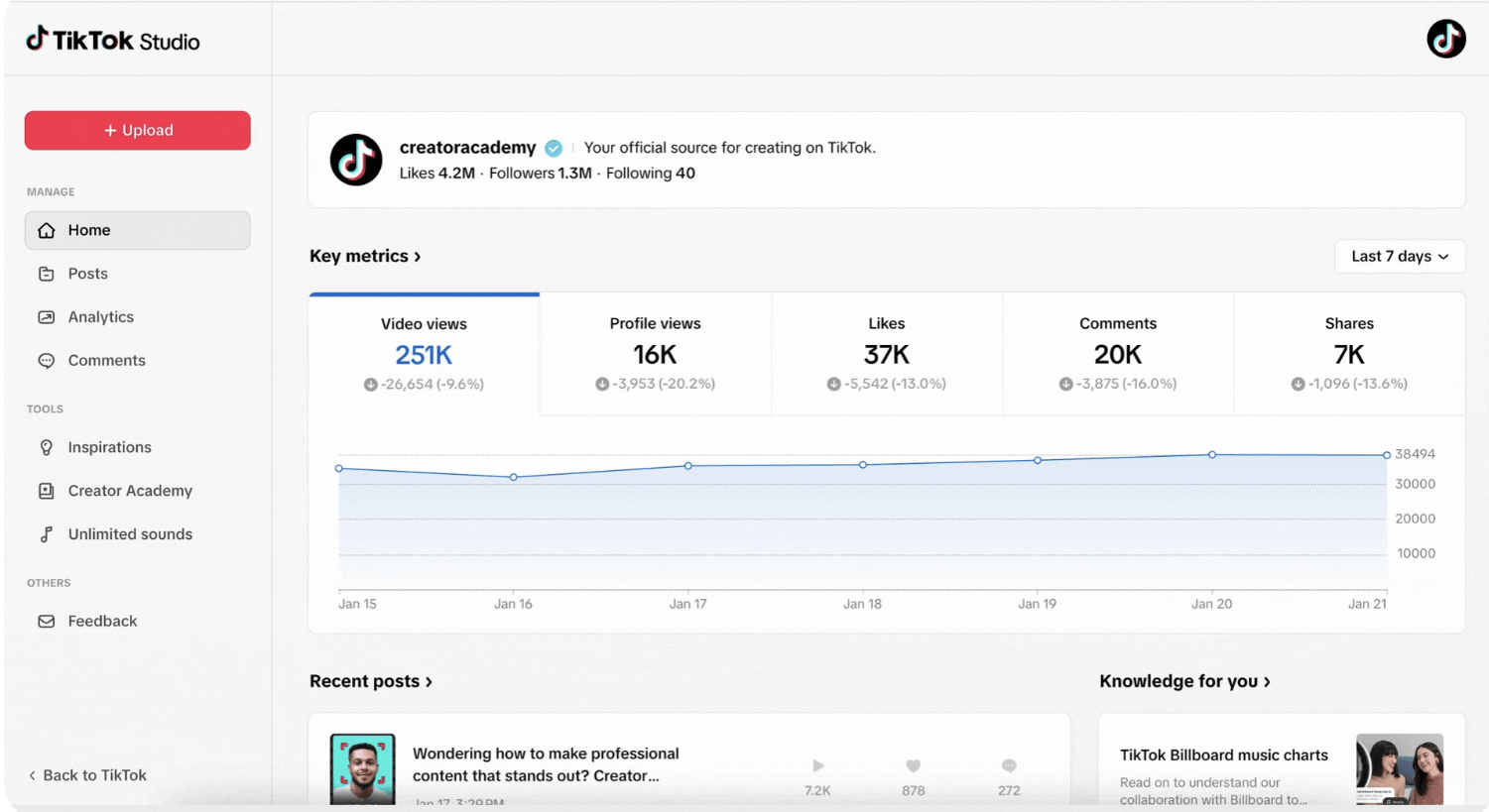
enter image description here The creator economy has opened real pathways for people to shape their own public identities and income streams. Recent reporting on the “Creator Economy 3.0” describes creators building direct relationships with audiences and operating as independent brand entities rather than relying on traditional corporate gatekeepers (Malik, 2024). This shift gives individuals space to define their own voice, aesthetic, and narrative. Haraway’s cyborg rejects fixed categories and stable boundaries, and in this sense, the creator becomes a hybrid subject who moves between worker, artist, entrepreneur, and persona. Monáe’s android identity in The ArchAndroid offers a parallel example. Her persona crosses lines between human and machine, performance and self, using hybridity as a form of expression and resistance. In the creator economy, people construct public selves that can challenge expectations around gender, race, class, and profession.

When the Algorithm Edits the Self

enter image description here At the same time, the systems that enable visibility also shape how identity appears. One account of creator labor describes how the most popular posts are often the least honest ones because they align more closely with platform incentives and audience expectations (Glass, 2024). This points to a subtle shift. Identity becomes something that is adjusted, curated, and optimized for reach. The algorithm does not simply distribute content. It rewards certain forms of self-presentation and discourages others. Haraway’s idea of the informatics of domination helps explain this dynamic. Technological systems organize social relations and influence what kinds of identities gain visibility. In this environment, the self is expressive and strategic at the same time, shaped by both personal intention and platform logic.

Freedom with a Cost

enter image description here The pressure created by these systems has real effects on creators’ lives. Reports on influencer burnout describe constant expectations to produce, maintain engagement, and remain visible, which often lead to exhaustion and reduced creative autonomy (“Invisible influencer burnout,” 2024). The boundary between personal identity and labor becomes difficult to separate. The hybrid self that once felt empowering can begin to feel like a responsibility that never turns off. The creator gains independence from traditional workplaces, yet becomes accountable to an ongoing stream of metrics and performance signals. This reflects the tension at the center of both Haraway’s cyborg and Monáe’s android. Hybridity opens space for new identities and new freedoms, while still operating within systems of power that shape how those identities are expressed and valued.

Designing the Self in the Next Generation

enter image description here Looking ahead, this hybrid identity will likely become even more complex. Over the next 20 to 30 years, creators may manage multiple digital selves across different platforms, supported by AI tools that help generate content, analyze audiences, and even perform parts of identity. Virtual influencers and avatar-based personas may become more common, allowing people to design forms of selfhood that are not tied to a single physical body. This could expand opportunities for expression and allow marginalized voices to build identities outside restrictive social categories. At the same time, these identities may be more deeply shaped by platform governance, data ownership, and algorithmic visibility. The future of the creator economy may involve both expanded freedom to construct identity and more sophisticated systems that guide and evaluate those constructions.

So maybe the real shift is not just about becoming cyborgs. It is about learning how to live inside identities that we are constantly building, editing, and negotiating in public. Every post is a small decision about who we are and how we want to be seen, even when those choices are shaped by systems we do not fully control. Haraway’s cyborg and Monáe’s android remind us that hybrid identity can still be a site of creativity and resistance. The challenge is figuring out how to move within these systems without giving up ownership of the selves we are trying to create.

Anyway, that’s it for today, guys! Don’t forget to like, comment, subscribe, and think about which version of yourself you want the world to see next.


References

(2025, December 26). Invisible influencer burnout: When algorithm trumps creativity. CE Noticias Financieras English. https://advance.lexis.com/api/document?collection=news&id=urn%3acontentItem%3a6HHM-YF73-RXGV-T2TV-00000-00&context=1519360&identityprofileid=NZ9N7751352

Glass, M. (2026, February 2). I finally understood why my most liked posts are the least honest ones. DMNews. https://advance.lexis.com/api/document?collection=news&id=urn%3acontentItem%3a6HTK-P7F3-S2G4-M42J-00000-00&context=1519360&identityprofileid=NZ9N7751352

Malik, S. (2026, February 16). Creator Economy 3.0: From Sponsored Posts to Brand Co. Agency Reporter. https://advance.lexis.com/api/document?collection=news&id=urn%3acontentItem%3a6HXY-R0G3-RRV5-908X-00000-00&context=1519360&identityprofileid=NZ9N7751352


AI Attestation

The content of this post is my own, and AI was used only to assist with planning and editing.

Redefining the Natural Body

- Posted in BP03 by

We can see fluidity and liberation through hybridity in today’s society, enabled by advanced technological innovations that transform the bodies of disabled people. The boundary being blurred is between the limitations disabled people may face, as well as all the benefits/enhancements they may face from assistive technologies. This reflects Harway’s perspective of rejecting the idea that entities, identities, or categories possess a fixed meaning or definition. Haraway theorized the cyborg. Also, Monae’s liberating ideas and celebration of uniqueness can reflect a redefinition of what a normal body is. Harway and Monae discuss how the disabled cyborg body moves through the world through its own unique combination of biology and technology, creating a sense of normalcy in our society, crossing the boundary. The basis of the boundary between artificial and natural, as well as limitations and enhancements that are being crossed, creates a sense of liberation and freedom for those whose bodies are not the “norm”. Haraway argues that these boundaries were never natural truths; they were ideological constructions used to organize power by placing “natural bodies” higher in the hierarchy than those who are disabled. Harways also discusses how identity is not a fixed concept, which means that she believes that cyborgs challenge essentialism by saying there is no clear defining standard for them. Cyborgs are hybrid and fluid beings. This theory is also similar to Janelle Monae conveys the android, as a being which symbolizes something that is unlabeled and inferior. The android is a completely new form of a being. This being and its hybrydity is liberating and resembles power. Some real world technologies, that reflect Harway’s and Monae’s visions is the increase in innovative techniques and practices used to help those with disabilities. The technologies which are used to assist the people with disabilities become a apart of them and all of their senses. Some research conducted by Cornell students discuss how wearable AI for blind and visually impaired (BVI) users demonstrates how multi-modal generative AI models integrated into devices like Meta Ray-Bans can enhance access to visual information. These tools allow real-time scene description, object detection, and OCR through wearable interfaces. Similarly to Haraway’s description of cyborg, sensory experience becomes hybrid and networked. Also like Monáe’s android, the othered body becomes technologically powerful and liberated. In 20-30 years, current disability advocacy and AI policy debates suggest that hybrid embodiment will increasingly be shaped by disabled people themselves, as organizations push for technologies developed disabled communities. If this participatory model holds, wearable AI and augmented reality could evolve from assistive devices into customizable sensory systems. This would further dissolve the boundary between body and machine, transforming disability from a category of limitation into a site of identity and innovation.This trajectory reflects Haraway's cyborg as a politically constructed hybrid subject, while extending Monáe's vision of technological otherness into a collective, socially embedded form of liberation. In refusing the norm, the disabled cyborg body does not exist on the margins of Haraway's vision or Monáe's world. It stands at the center of both. enter image description here

And The Grammy Goes To… AI-Generated Music and the Future of the Creative

- Posted in BP03 by

In this ever-growing world of technology and AI, the concept of what is “real” and what is not is at the forefront of our minds. Imagine you hear a song on the radio and the first thought isn’t “Who made this song? Did they write this themselves or did they have a ghost writer?” but rather “Did a human write this or did AI develop this?”

Growing up, a ghost writer was another individual paid to supply an artist with lyrics or a concept for a song without public credit. Even though their contributions to the song were hidden, we understood that a human being was behind the creative genius of the song. Human emotion, experience, and thought were shaping the art.

Now, however, the “ghost” in question may not be human at all anymore.

Artificial Intelligence began as a tool to aid in the efficiency and accuracy of completing tasks. AI-derived tools like Grammarly and QuillBot helped proofread papers and improve word flow, while still maintaining a level of human creativity. However, we are entering a society where AI can generate human ideas based on patterns it has curated over millions of already existing works. In music, algorithms can be used by AI applications to compose melodies, create lyrics, generate beats, and replicate human vocal tones to produce a fully functional song with almost no human involvement. The introduction of AI into one of our culture’s most sacred and stable cultural boundaries has challenged the line between human creativity and machine production. The shift is no longer about AI assisting in creation, but rather about AI taking authorship.

What Boundary is being Challenged

The music industry has always relied on invisible contributors to the music-making process. Producers, engineers, ghost writers, and artists all played their part in the creation of a musical piece. However, those contributors were all human. AI-generated music collapses the boundary between human artists and machine creators, distorting our perception of authenticity and human identity.

The process of creating has always been uniquely human—the ability to take lived experiences, emotions, and imagination to develop a fully structured, embodied piece that an audience would enjoy and listen to. When AI tools began generating music that listeners cannot distinguish from human-created work, the wall was disrupted—the purpose seems to be lost. No longer is authorship shared by a couple of human colleagues, but instead shared across a network of databases, algorithms, and users within a technological network.

Donna Haraway’s cyborg theory reflects this construct by arguing that these dichotomies—human/machine—are not isolated concepts but part of a hierarchical system. One is considered the norm as it is more authentic, natural, and, by society's standard, superior, while the other is secondary and artificial. Haraway describes these dissolving boundaries as “leaky distinctions” that clearly blur the line between the physical real and the non-physical machine.

In layman’s terms, when a computer can perfectly replicate a human voice audibly and create an entire song that feels emotionally authentic, the line between human and machine vanishes. This is not just about technology—it’s about identity. Who is the “artist” when creation emerges from a hybrid system of humans, machines, and data? The traditional markers of authorship, creativity, and authenticity become fluid. Human identity, once tied to creation, now intersects with machine intelligence, forcing society to redefine what it means to be a creative individual.

Liberation

While some argue that AI-generated music is stealing the spotlight and the jobs of authentic human artists, the boundary collapse has also been seen as a liberatory one. AI lowers the financial boundaries put up by the industry to allow for the proper production of music and art. No longer does a small artist have to “sell away their life” monetarily to afford to record and distribute their music. Moreover, these independent artists can now experiment with their own production and explore the avenues they love without the financial burden. The liberation can also be in the ability to create a hybrid system where the artist is not the sole contributor to the creation of the music. The AI tool can develop the beats or potentially aid in the musical theory to produce a palatable song for the public. Creativity here becomes fluid, as Haraway explains, empowering rather than debilitating.

Recalling back to The ArchAndroid, we remember the concept of what counts as “real.” AI invites us to reconsider our definition and importance of authenticity when a song is able to evoke the same emotion as a human-made song. In The ArchAndroid, Janelle Monáe uses the android to challenge the perception of the divide between human and machine. Her android was able to amplify humanity, not destroying what it means. Similarly, AI-assisted music might not be eliminating human creativity but instead allowing an avenue to reshape and expand it beyond our imagination.

In Donna Haraway’s A Cyborg Manifesto, she argues that the militarized cyborgs, which were made for technological control, can be repurposed for the greater good of humanity and its liberation. Though AI is seen as a product of corporate capitalism that primarily benefits the elites, it has the potential to be a form of accessible tools for public creativity. The liberation comes from finding a blend between the two binaries in order to allow the boundary to not necessarily “collapse” but to be “rebuilt.”

The Future of it All

If current trends continue, the next 20–30 years may bring even deeper integration between human and machine creativity. We are already seeing AI-generated vocals, virtual avatars performing at concerts, and artists collaborating with algorithmic systems. It is not difficult to imagine a future where award shows debate not whether AI-assisted music is eligible, but whether fully autonomous AI artists should compete alongside humans. The development of a new system of award shows might introduce categories to keep the competition fair and allow a clear distinction between humans and machinery, or both. On the contrary, we may see the default shift to where humans must label themselves “fully human-made.”

Conclusion

In conclusion, the rise of artificial intelligence in our society forces us to confront its presence in all facets of our human culture. With AI’s influence in creativity—specifically music—we must question whether creativity lies exclusively in the hands of humans, or if we can redefine it ourselves.

While the boundary between humans and machines may appear to be collapsing, it may be wise to think of it as another technological development and a shift in our culture. As Haraway describes, boundaries are never stable and finite. They are leaky, proposing the potential for innovation and hybridity—a future where the two can become a collaborative, mutualistic entity.

So perhaps in the Recording Academy Grammy Awards Showcase decades from now, the winner will not simply be the “best human artist” but rather a testament to the evolution in our humanity that made the collaboration between human and machinery imaginable.

References Haraway, D. J. (1985). A cyborg manifesto: Science, technology, and socialist-feminism in the late twentieth century. In D. J. Haraway, Simians, cyborgs, and women: The reinvention of nature (pp. 149–181). Routledge.

Monáe, J. (2010). The ArchAndroid [Album]. Atlantic Records.

Recording Academy. (2023). Recording Academy announces new Grammy eligibility guidelines for AI-assisted music. Retrieved from https://www.grammy.com

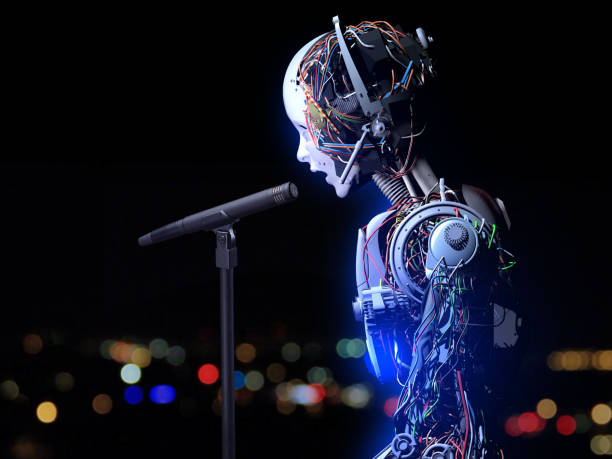
iStock. (n.d.). Robot and musical notes images [Stock photos]. iStock. Retrieved February 21, 2026, from https://www.istockphoto.com/photos/robot-song
Designing the Self: Black Avatars, Digital Embodiment, and the Politics of Becoming

- Posted in BP03 by

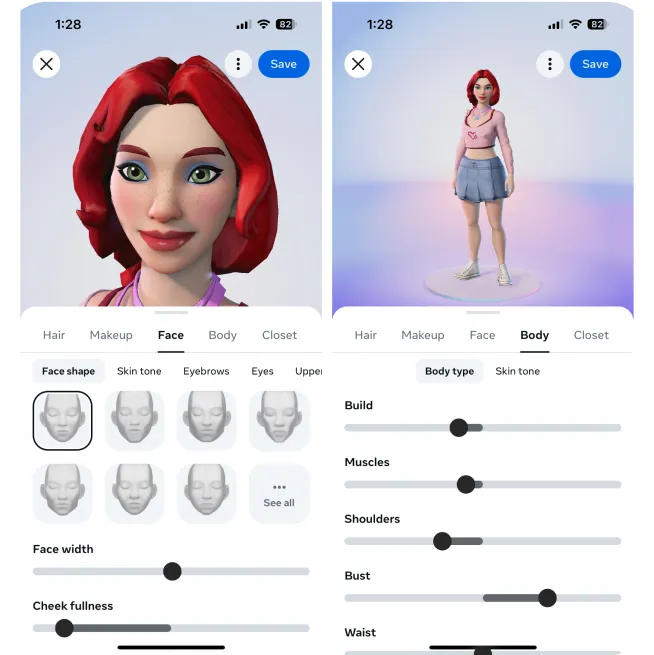
When Identity Becomes Something You Design What if identity isn’t something you discover, but something you actively create? That idea might sound futuristic, but it’s already happening,just not in the dramatic, sci-fi way we often imagine. It shows up in something as everyday as avatars, Bitmojis, and virtual identities. The ability to design how you look, present, and exist online is a quiet but powerful example of what Donna Haraway describes as the cyborg: a fusion of human and machine that breaks down traditional boundaries (Harway, 1985). In these digital spaces, identity is no longer fixed to the physical body. You can choose your skin tone, hairstyle, body type, and overall aesthetic. For many people, especially Black women, this isn’t just customization. It’s control over representation in a world where that control hasn’t always existed. This is where Haraway’s theory becomes real. The boundary between human and machine isn’t collapsing in some distant future.It’s already blurred every time we log in and decide how we want to be seen(Haraway, 1985).


Hybridity as Power: From Janelle Monáe's Android to Digital Selves Janelle Monáe’s The ArchAndroid helps make sense of why this matters(Monáe, 2010). Her android identity isn’t about becoming less human, it’s about reclaiming identity in a world that already treats certain bodies as “other.” Instead of trying to fit into existing categories, Monáe’s android challenges those categories entirely. Digital identity works in a similar way. It allows people to move beyond expectations tied to race, gender, and respectability. For example, Black women can:

  • wear natural hairstyles without workplace judgment
  • experiment with aesthetics that might be criticized offline
  • exist outside narrow beauty standards

In this sense, digital avatars are not escapes from reality. They are extensions of the self that offer new forms of agency. At the same time, this isn’t identical to Monáe’s vision. Her work is deeply rooted in collective struggle and resistance, while digital identity can sometimes become more individualized by being focused on aesthetics or personal branding rather than shared political transformation. Still, both highlight how hybridity can be a tool for self-definition rather than limitation.


The Limits of Freedom: Who Controls the Digital World? Even with all this flexibility, digital identity isn’t completely free. As Safiya Noble explains in Algorithms of Oppression, technology often reflects the same inequalities we see offline (Noble, 2018). Algorithms tend to push certain looks, certain bodies and certain aesthetics to the top. Even avatar systems haven’t always included darker skin tones or a wide range of features. So yes, we can design ourselves,but we’re still doing it inside systems shaped by bias, capitalism and visibility metrics. That creates a tension that honestly feels very cyberpunk. Identity is more flexible than ever, but it’s still influenced by systems we don’t fully control. Haraway imagined hybridity as liberating, but in reality, that freedom is not absolute. It exists, but it has limits.

The Future: Living as Multiple Selves Looking ahead 20–30 years, identity will likely become even more flexible. With advances in AI, virtual reality and digital environments, people may not be tied to just one version of themselves. We could see:

  • multiple identities for different spaces (professional, creative or anonymous)
  • AI-generated versions of ourselves interacting online
  • virtual worlds where digital identity feels just as real as physical presence

In that kind of future, identity becomes something you update instead of something you’re stuck with. That opens the door for new forms of freedom, especially for people who have been boxed in by rigid categories. But it also raises real questions about ownership, authenticity and access. Who actually gets the freedom to design themselves, and who is still limited?

Conclusion: More Than Representation, It’s Self-Determination What makes this moment powerful is not just that boundaries are breaking,it’s that people are actively reshaping them. Haraway’s cyborg and Monáe’s android are no longer just abstract ideas(Haraway, 1985; Monáe, 2010). You can see them in how people build their identities online every day. Digital identity is not about becoming less real,it’s about having more control over what “real” means for you. As a college student navigating spaces where identity is constantly being judged and interpreted, that matters. It gives you room to experiment, push back against expectations and define yourself on your own terms. At the end of the day, hybridity isn’t just about technology,it’s about freedom.

Sources: Haraway, D. (1985). A manifesto for cyborgs: Science, technology, and socialist feminism in the 1980s. Socialist Review, 15(2), 65–108.

Monáe, J. (2010). The ArchAndroid [Album]. Wondaland Arts Society/Bad Boy Records.

Noble, S. U. (2018). Algorithms of oppression: How search engines reinforce racism. New York University Press.

AI was only used to format the flow of the paragraphs in this post.

The Body Is Not the Limit

- Posted in BP03 by

When Donna Haraway describes the cyborg, she is not predicting a chrome-plated robot future. She is pointing out something more unsettling and more empowering: the human body has never been sealed off from technology. We are hybrid beings already. The question is whether that hybridity expands our freedom or narrows it. One contemporary example where hybridity is playing out as liberation is the rise of biohacking and wearable self-tracking culture. From NFC chips implanted in hands to smart rings that monitor sleep and heart rate, people are voluntarily merging with technology in order to extend their capabilities. This is not science fiction. It is happening in gyms, tech communities, medical labs, and even everyday households.

Extending the Body Through Feedback

At the heart of cyborg theory is the idea of a feedback loop. A feedback loop is a system where biological processes and machines communicate continuously. Today’s wearable devices already function this way. For example, smartwatches monitor heart rate and adjust exercise recommendations. Continuous glucose monitors help users regulate diet in real time. Adaptive deep brain stimulation systems for Parkinson’s adjust electrical signals based on neural activity. These systems don’t just “assist” the body. They become part of how the body regulates itself. Technology participates in homeostasis. That shift reflects Haraway’s insight that the line between organism and machine is less solid than we imagine. Instead of replacing humanity, these devices reconfigure what human capability looks like. A runner using biometric data to optimize performance, a diabetic using real-time glucose tracking to maintain stability, or a person using neural interfaces to restore movement these are not diminished humans. They are augmented ones.

Liberation Through Access and Enhancement

Hybridity becomes liberating when it increases agency. For many disabled communities, assistive technologies have already transformed quality of life. But the newer wave of biohacking moves beyond medical necessity into elective enhancement.

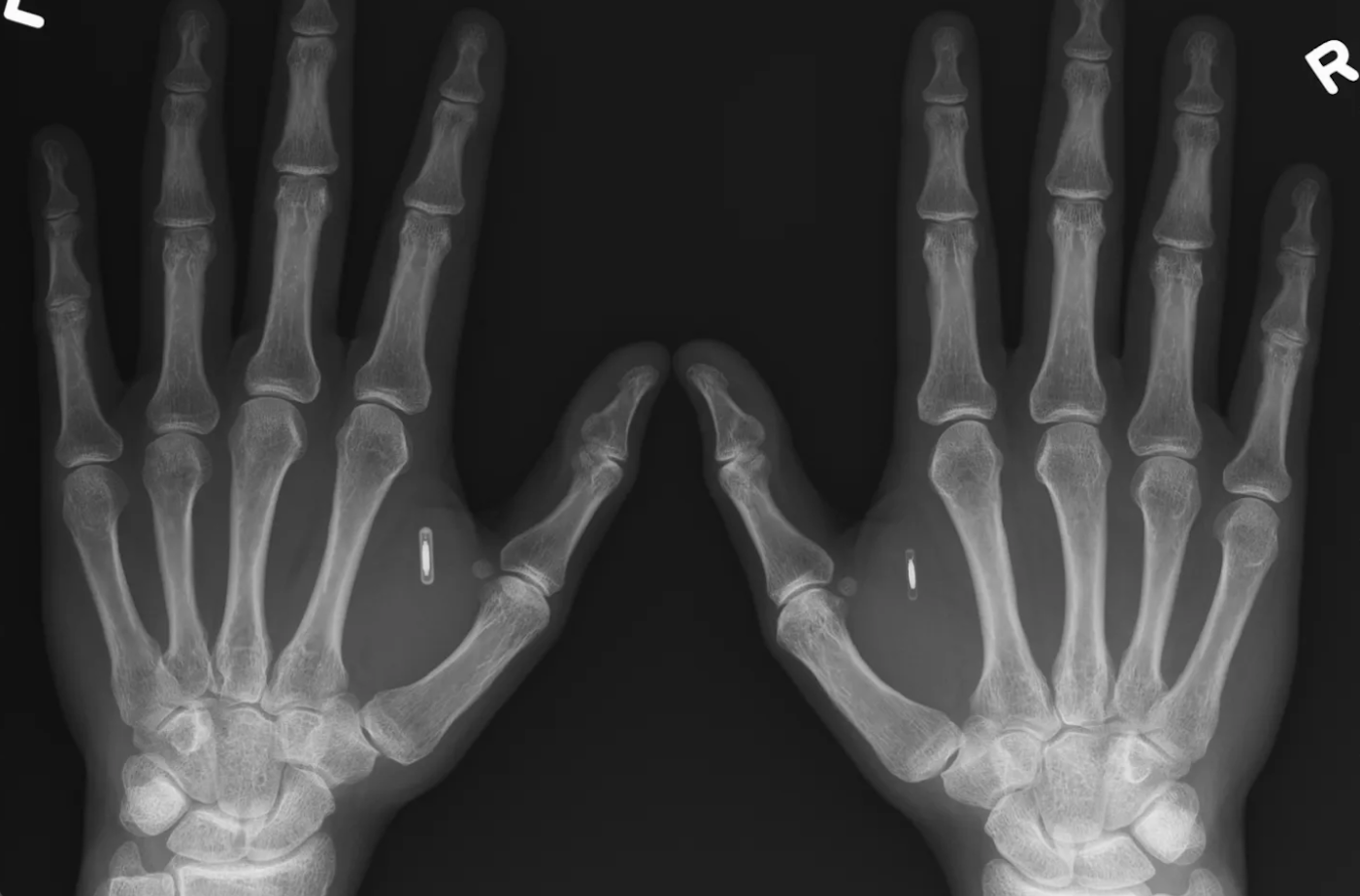
An X-ray image of two human hands positioned palms forward, labeled “L” and “R” for left and right. The skeletal structure of the fingers, palms, and wrists is clearly visible. In each hand, a small, cylindrical metallic object appears implanted in the soft tissue between the thumb and index finger. The implants contrast sharply against the bone in the radiographic image, emphasizing the integration of a technological object within the human body.

Individuals implant NFC chips to unlock doors with their hands. Others use subdermal magnets to sense electromagnetic fields. Wearables provide insight into sleep cycles, stress patterns, and metabolic responses. What’s significant here is not the gadget, it’s the mindset. The body is treated as adaptable, upgradeable, open to redesign. That perspective challenges the idea that the “natural body” is fixed or complete. Janelle Monáe’s android persona in The ArchAndroid reimagines technological embodiment not as loss of humanity but as expanded identity. In real life, biohackers often describe implants and devices as ways of becoming “more fully themselves,” not less. Technology becomes a creative medium for the self.

Where This Reflects and Complicates Haraway

Haraway calls cyborgs “illegitimate offspring” of militarism and capitalism. That warning still matters. Many wearable devices collect data for corporate ecosystems. Health tracking can slide into surveillance. Insurance companies are already experimenting with incentive-based biometric monitoring. So the same feedback loops that empower users can also discipline them. The difference lies in control. When individuals choose technologies to expand capacity, hybridity becomes self-authored. When institutions mandate monitoring, hybridity becomes regulatory. Right now, we are in the middle of that tension.

What Might This Look Like in 20–30 Years?

If current trends continue, the next generation of cyborg life could include:

  1. Seamless Bio-Digital Integration Wearables may become implantables. Health metrics could be continuously optimized by AI systems that learn individual patterns over decades. Instead of checking your stats, your body will quietly self-adjust.

  2. Personalized Neural Interfaces Non-invasive brain-computer interfaces are already improving. In a generation, mental commands might control devices as easily as touchscreens do now. This would not replace physical interaction but extend it.

  3. Community-Based Biohacking As open-source hardware grows, communities may build and modify their own enhancement systems. Instead of relying solely on corporate tech, grassroots innovation could reshape access and affordability.

  4. Redefined Ideas of “Normal” If augmentation becomes widespread, baseline expectations of human capability may shift. Enhanced memory recall, improved metabolic regulation, or optimized cognitive focus could become ordinary rather than exceptional.

The important shift is psychological. Hybridity is no longer framed solely as medical repair or dystopian takeover. It is increasingly framed as customization, optimization, and creative redesign. We are not witnessing the collapse of humanity into machinery. We are witnessing a transformation in how people understand embodiment. The body is no longer seen as a closed system but as an evolving interface. Haraway’s cyborg was always about possibility. Today, that possibility is no longer theoretical. It is wearable, implantable, and increasingly personal. In the hands of those who choose it, hybridity can be a form of freedom.

AI statement- Generative AI was used to give me topic ideas for the blog post and was not used furthermore after that.

Black, Woman, Other

- Posted in BP03 by

There are many instances in which fluidity is an enabler for liberation. The idea of being fluid, of not fitting into distinct categories, naturally is liberatory in a world where categories and labels determine social hierarchy. Though it has been a discussed topic for a while, gender fluidity and conversations about how gender is experienced have become even more prevalent today especially among Black queer communities. The new understandings of gender and its fluid categories have freed many from conservative constraints on what is expected of specific genders and what is possible for specific genders. Though this has been a significant shift in the queer community, it is clear that the larger population has not adopted the same ideologies as there are many conversations and pushes for people to identify in distinct categories. This is most prevalent in conservative communities. One of the most glaring recent examples being when rapper Nicki Minaj joined Erika Kirk at AmericaFest and was quoted saying, “Boys, be boys…it’s okay be boys…There’s nothing wrong with being a boy. (Bynum 2025)” enter image description here

It becomes clear that gender fluidity, whether that be through dress or actual gender identity is frowned upon by those who seek to keep us under harsh conservative ruling. We have seen historically and in this class that labels are able to keep us confined into specific categories. Categories that define how others are meant to treat us and the humanity that we are allotted. Historically many labels have sought to oppress rather than understand, creating hierarchal systems that leave some advantaged and others disadvantaged. These labels also do not allow for hybridity as they exist within strict, immovable confines when assigned to others.

One particular example of this fluidity has been seen in Black non-binary people. Many Black non-binary people who were assigned female at birth have been discussing their feelings of being non-binary but also still aligning with the label of being a Black woman. One Tik Tok creator outlines their feelings about this being that most of their lived experience is as a Black woman and those experiences have shaped who they are as a person inherently (Black 2021). Though many would turn their nose up at this idea, when we think about how the freedom to be fluid aids in understanding these nuances that are not available with rigidity. In this fluidity we see people outside of their immediate labels, but understand them deeper as humans based on their lived experiences and understandings of themselves. This idea is present in both Monáe’s album through the mixing of android with human, with real and imagined and in Haraway’s idea of hybridity.

Being able to be outside of the binary in a world where the binary seeks to minimize and oppress you is an extremely liberating thing. Not only does gender fluidity reject this oppression, but it brings to question what it really means to be a man or woman outside of the roles that society has assigned to those labels.

No AI was used in the creation of this blog post.

References Black, V. [@hypochrisy]. (2021, June 8) [Video]. TikTok. https://www.tiktok.com/@hypochrisy/video/6978955145086356741?_r=1&_t=ZT-9476bOhY3sE Bynum, Z. (2025, December 29). Backlash grows after Nicki Minaj’s Turning Point USA appearance; Bernice King responds. Cbsnews.com. https://www.cbsnews.com/atlanta/news/atlanta-faith-leaders-respond-as-nicki-minaj-faces-backlash-over-turning-point-usa-appearance/

Page 2 of 6