Blog Post #3: Humans and Machines on the Modern Farm
Humans and Machines on the Modern Farm.
I grew up living on a farm in Brazil. My family doesn’t own a large plantation, but I spent a lot of time observing my neighbors and how they manage their land. Watching them work, I noticed how technology is changing traditional farming. Today, many farms use machines like tractors, robotic harvesters, and drones to plant, water, and harvest crops. These machines change the way people work, creating a kind of partnership between humans and technology. In a way, farm workers are becoming hybrid workers, part human and part machine operator, which reminds me of Donna Haraway’s cyborg theory. Haraway talks about how breaking boundaries between humans and technology can be liberating, and I see that happening on these farms.
On my neighbors’ farms, I noticed that some tasks that used to take hours of hard physical work are now done by machines. For example, tractors and automated irrigation systems help plant and water crops much faster than humans could. Drones can fly over fields to check soil and crop health. These technologies free farmers from some of the hardest work, letting them focus on planning, managing machines, and making decisions. At the same time, farmers need new skills to operate the machines and use software to track crops. This shows how humans and machines are working together, blurring the line between natural labor and technological labor.
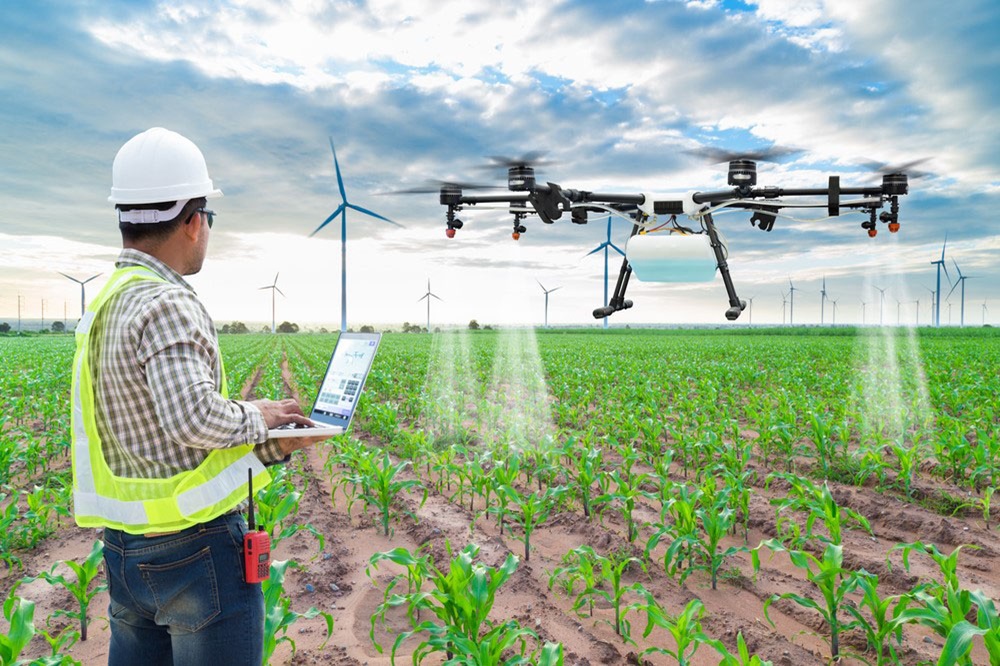
This situation also connects to Monae’s ideas about freedom and control. On one hand, technology allows farmers to work more efficiently and even protects them from physical strain. On the other hand, machines are expensive, and many farms are owned by corporations, not small families. This shows that technology can both liberate and limit people depending on who has access to it. Looking forward 20–30 years, I imagine farms will become even more automated. People might manage multiple robotic systems from a computer or even a phone, creating a new identity: the digital farmer. They would combine knowledge of farming with coding, robotics, and data analysis. If these technologies become widely available, small farmers in Brazil could compete with large farms around the world. But if only wealthy farms can afford them, the gap between rich and poor farmers could grow.
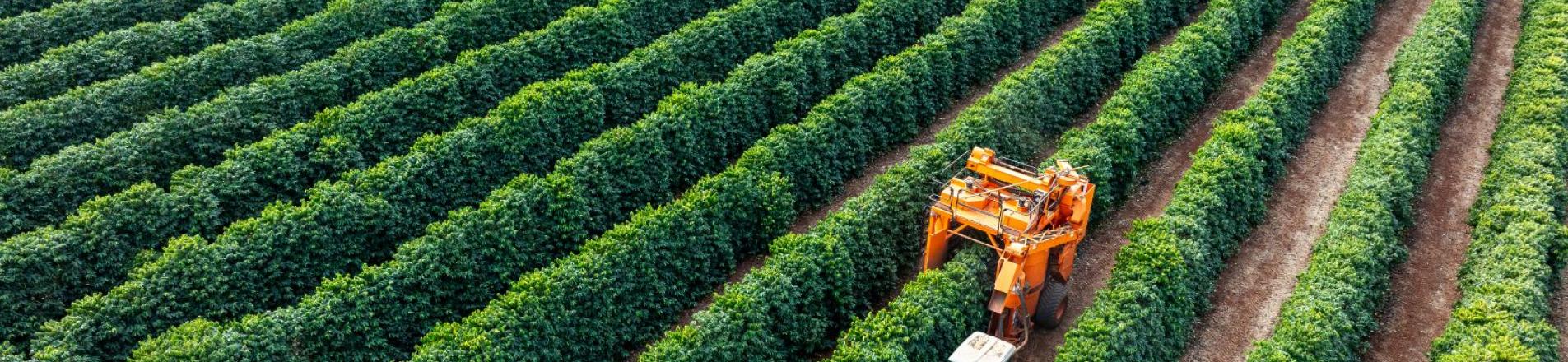
Living on a farm and observing my neighbors, I see how machines are already changing lives. Some tasks are easier and safer, but new challenges appear, like learning to use the machines and keeping up with technology. This personal experience helps me understand that liberation through hybridity is real it is not just a theory in Haraway or Monae, but something happening in everyday life, in the fields of Brazil. Technology in agriculture shows that humans and machines can work together in new ways. It creates opportunities for freedom and efficiency, but also raises questions about inequality and access. By looking at these changes, we can imagine a future where human creativity and machine power combine to create new forms of work and identity.
AI: only used AI tools to help organize my ideas and translate parts, but all the content are my own.