Beyond the Body: How Digital Avatars Are Redefining Human Identity
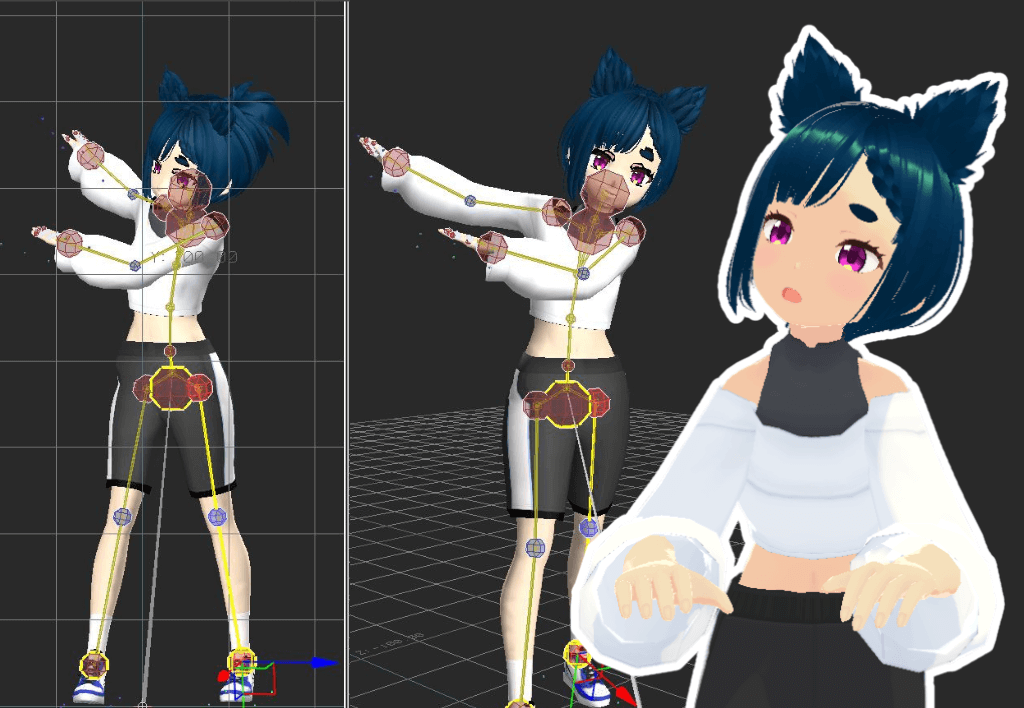
If cyberpunk taught us anything, it’s that the line between human and machine was never as solid as we thought. What once felt speculative now appears in everyday life through virtual influencers, VTubers, and persistent digital avatars. Platforms that allow people to live, work, and socialize through customizable digital bodies are quietly reshaping what identity looks like in the 21st century. Through the lens of Donna Haraway’s cyborg theory and Janelle Monáe’s vision in The ArchAndroid, this shift toward fluid, hybrid identity can be read not simply as technological change but as a potential site of liberation.
A strong contemporary example is the rise of VTubers and virtual creators, people who perform online through animated avatars rather than their physical bodies. Agencies like Hololive Production and platforms owned by YouTube and Twitch have helped normalize this practice globally. For many creators, the avatar is not just aesthetic; it allows experimentation with gender presentation, racial ambiguity, and bodily form in ways that would be difficult, or unsafe, in physical space.
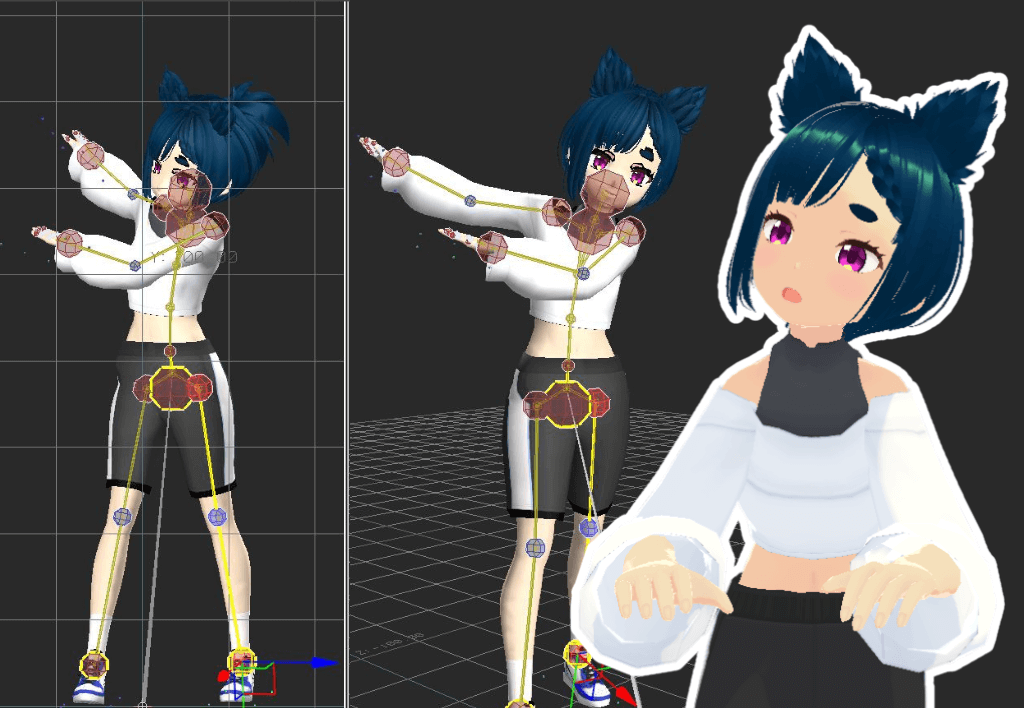
Haraway’s cyborg rejects rigid boundaries between human and machine, physical and virtual. VTuber culture embodies this directly. The performer exists simultaneously as a biological person and a digital construct, and the audience accepts both as real. This reflects Haraway’s argument that identity in technoculture becomes hybrid and constructed rather than fixed. Instead of the “God’s-eye” fantasy of stable categories, identity becomes iterative and performed.
Monáe’s The ArchAndroid pushes this even further by grounding hybridity in histories of exclusion. Her android persona, Cindi Mayweather, is not trying to escape embodiment but to reclaim it. Similarly, many virtual creators, especially women, queer creators, and creators of color, use avatars strategically to navigate harassment, bias, and surveillance online. In this sense, the digital body can function as protection and self-determination at the same time. The boundary collapse between human and avatar becomes a tool of agency.

At the same time, this development diverges from Haraway’s more utopian hopes. The infrastructure behind virtual identity is still controlled by major tech corporations, which means the freedom to reinvent the self often exists inside highly monetized, platform-governed environments. Scholars writing in venues like MIT Technology Review and Wired have noted that virtual creators remain dependent on algorithmic visibility, platform policies, and data extraction models. In other words, the cyborg may be symbolically liberated while still constrained economically. This tension mirrors classic cyberpunk: empowerment and control evolving together.
Looking ahead 20–30 years, the trajectory suggests even deeper forms of hybrid identity. As mixed reality, neural interfaces, and persistent digital worlds mature, the distinction between “online persona” and “offline self” may erode further. People may maintain multiple stable identities across different environments, professional, social, and creative, each embodied through different digital forms. Rather than one coherent self, identity could become modular and context-dependent.
This future holds real liberatory potential. For marginalized communities, the ability to design and inhabit chosen embodiments could expand forms of self-expression and social participation. At the same time, Haraway reminds us that technologies are never neutral. The same systems that enable fluid identity can also intensify surveillance, labor extraction, and platform control. Cyberpunk helps us see that we are already living inside the early stages of this shift.
SOURCES: Roose, K. (2021). Virtual influencers are becoming real business. The New York Times.
Parker, L. (2023). The rise of VTubers and the future of digital performance. Wired.