Rethinking the Rules of Love
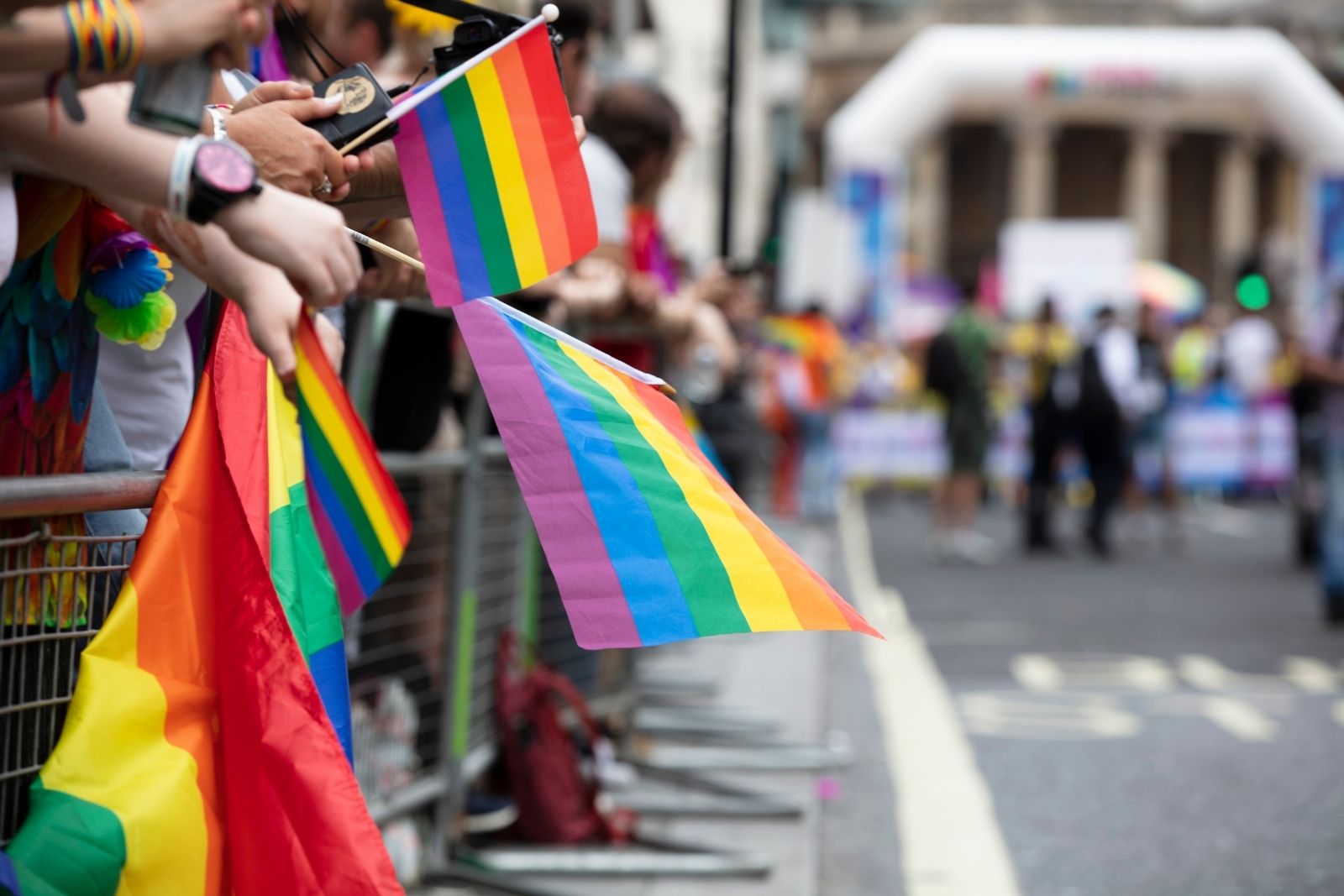
Living in society means living within boundaries and rules to be followed. However, many of these boundaries have been collapsing lately, either because of technology, social movements, cultural practices, or identity categories. Although breaking established boundaries can cause instability and confusion, it can also be interpreted as a way to freedom and liberation. Let’s look at traditional romantic relationship models for instance. Our society has always seen heterosexual relationships as the “normal” model, imposing a boundary where couples are composed of people of opposite genders, and oppressing whoever chose to not follow these “rules”. However, nowadays, because of constant and long-lasting fight against homophobia, this boundary is not as rigid, relationships are more fluid, and people can love more freely.
How this relate to Haraway’s and Monáe’s ideas?
This boundary collapse has a really strong connection to Haraway’s cyborg theory. In lecture, we learned that in A Cyborg Manifesto, Donna Haraway argues that many boundaries we think are “natural” are actually social constructions. In her work, she uses the “cyborg” to symbolize hybridity - mixing categories instead of staying inside one. She shows that when categories become more fluid, people can experience new forms of freedom. Thus, as society gets more accepting of diverse relationships, these boundaries become more fluid, which allows people to liberate from traditional social constructs and experience greater identity freedom. Monáe’s work – The ArchAndroid – is another example that shows how difference can be liberating rather than something to suppress. She uses the character android to represent identities that exist outside of accepted social categories, framing hybridity as something powerful. Just like the android challenges who counts as “normal”, changing relationship norms challenge conservative ideas about what counts as a legitimate or acceptable relationship. Thus, both Monáe and Haraway reflect on this real-world example.
Speculating the Future
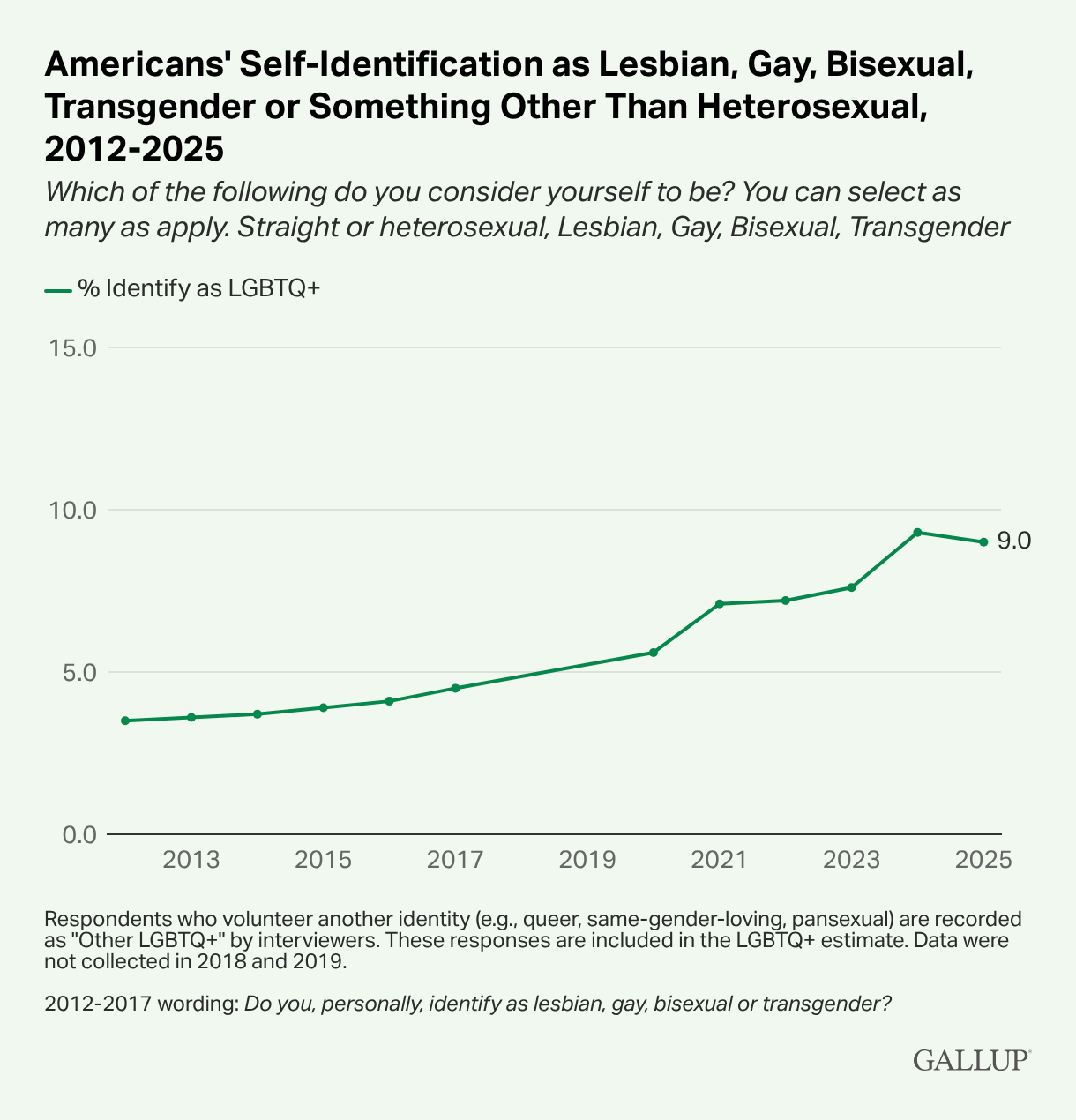
Let’s remember that social change doesn’t happen overnight. However, if current trends continue, romantic relationships might be even less defined by rigid gender roles and more fluid in the next twenty to thirty years. Research indicates that younger generations show higher levels of openness towards diverse sexual orientations and relationship models. According to Gallup, identification as LGBTQ+ increased significantly in the past few years, which indicates that traditional relationships restrictions are becoming less rigid and that society is moving toward greater flexibility. I can imagine definitions of family and partnership becoming broader, and a change on how we talk about relationships. Maybe the focus will shift from “who you like to date?” to “how would you like your relationship to be like?”. This would indicate a bigger interest on factors that go beyond gender.
The Role of Technology
I believe that technology has a great participation on this transformation. Social media and other digital platforms allow people to connect, crossing geographic, cultural, and social boundaries. Besides that, online communities provide support systems that allow people to explore their identity with no fear of oppression and isolation. They allow people to have greater freedom in their choices and get away from traditional social constructs.
Why this Matters
I hope now it’s clear how the collapse of established boundaries doesn’t always lead to chaos. It can actually open space for people to live more freely and authentically, allowing them to find out more about who they really are. To explore their identity deeply. Thus, if the current trajectory continues, I hope to see a next generation living in a world where love is defined less by strict categories and more by individual freedom. In a society that reflects the freedom that comes from breaking rigid boundaries, as Haraway and Monáe describe.
Sources
Monáe, J. (2010). The ArchAndroid [Album]. Wondaland Arts Society; Bad Boy Records; Atlantic Records. Jones, J. M. (2026, February 16). LGBTQ+ identification holds at around 9% in U.S. Gallup. https://news.gallup.com/poll/702206/lgbtq-identification-holds.aspx
AI attestation: no use of AI in this assignment