Blog Post #1.When Technology judges the Game/Soccer
In the past five years, one clear boundary that has changed a lot is who makes decisions in soccer. With the use of VAR (Video Assistant Referee), the boundary between human judgment and technological judgment has become unclear.
Before VAR, referees made decisions only with their own eyes and experience. Mistakes were part of the game. Fans accepted that referees are human. Today, VAR uses cameras, slow motion, and digital lines to review goals, penalties, offsides, and red cards. In many situations, the referee no longer has the final word alone. Technology now helps or sometimes corrects the referee.VAR has been used more widely since around 2018, but in the last five years it has become normal in major leagues like the Premier League, La Liga, Serie A, and international tournaments such as the World Cup. According to FIFA, VAR was created to reduce clear and obvious errors in important moments of the game. This shows a big change in how fairness is defined in soccer. 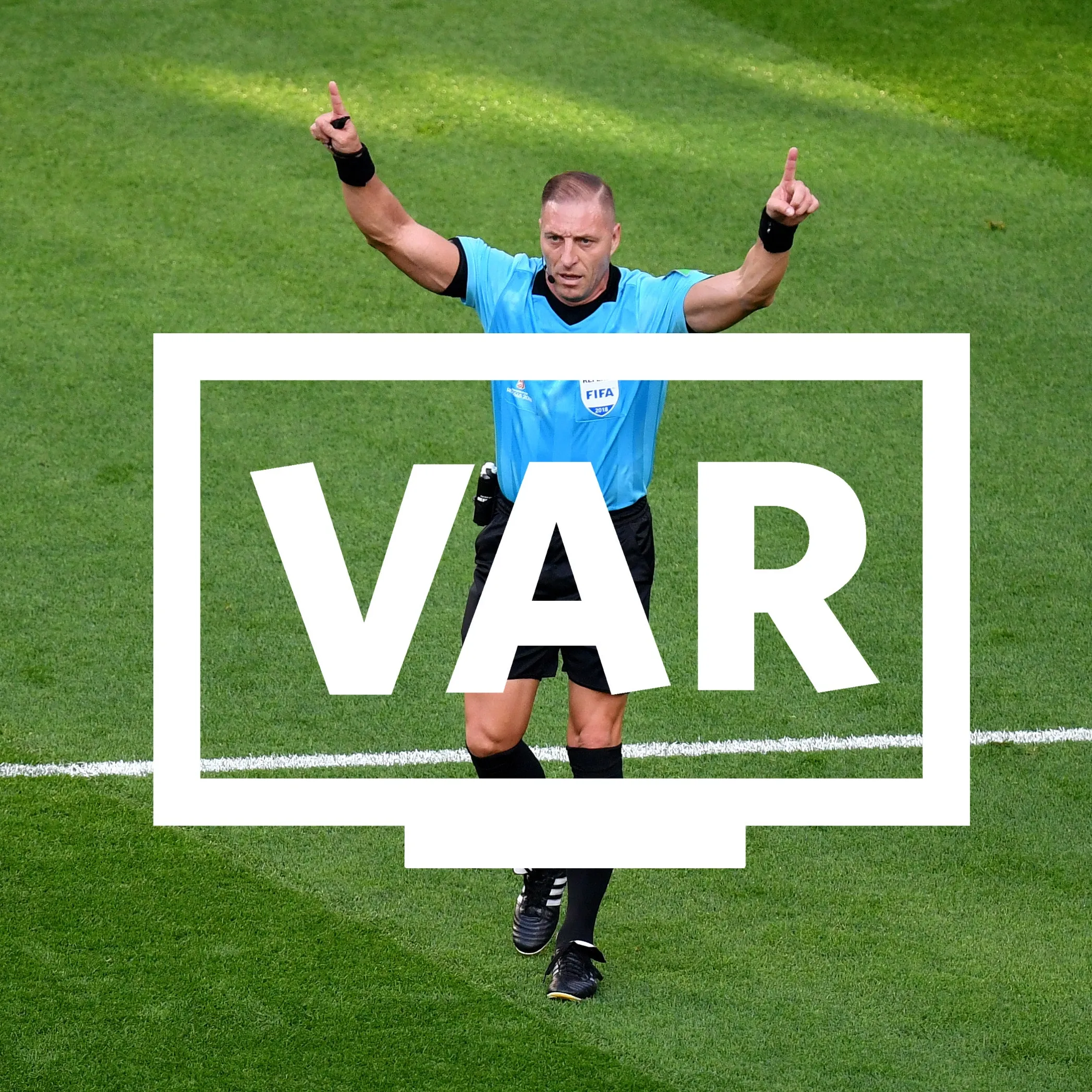
This boundary shift is driven mainly by technology and globalization. Soccer is now a global business. Matches are watched by millions of people around the world. Every mistake is shared on social media in seconds. Because of this pressure, leagues want more “objective” decisions. Technology promises accuracy and fairness, even if it slows the game.
This change connects clearly to cyberpunk themes. In cyberpunk stories, technology is often used to control systems and reduce human error, but it also creates new problems. VAR was created to make soccer more fair, but many fans feel it takes away emotion and spontaneity. Goals are celebrated, then canceled. Players wait while machines check lines that are invisible to the human eye. The game feels less human.VAR also connects to posthumanism, which questions where human control ends and machine control begins. When a computer draws offside lines and decides if a player’s toe is ahead, is that still human judgment? Or is the machine now the authority? Referees often say they must follow VAR, even if their original decision felt right.
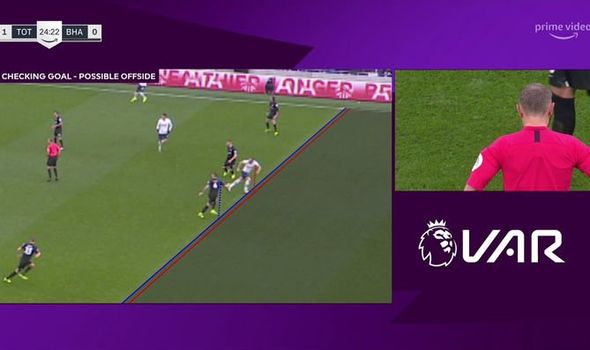
As someone who watches a lot of soccer games, I experience this boundary shift very personally. Many times, I celebrate a goal, and a few seconds later the game stops because VAR is checking the play. Sometimes the technology decides the goal is offside, even when it looked fine in real time. I understand that soccer still has a lot of human control. The referee is human, and there are also humans working in the VAR room. However, the offside lines, the slow-motion replays, and the final images all come from technology. These tools strongly influence the referee’s decision and often take a long time. Even though this can be frustrating, soccer is the game I love. In the end, VAR shows how a cyberpunk-style boundary collapse is happening in real life. Soccer is still played by humans, but it is now judged with the help of machines. The question is not only whether VAR is good or bad, but how much control we are willing to give to technology. Like in cyberpunk stories, once machines enter the system, the game is never the same.
- Sources
https://www.fifa.com/en/watch/ws_FR5wijEqqZgJJbN3k2g
https://www.bbc.com/sport/football/articles/czdq0m2z0emo
https://www.bbc.com/sport/football/articles/c7v0lz7q7q2o
https://www.bbc.com/sport/football/articles/cvgrx8ml7m0o
AI:
ChatGPT was used to assist with translation and organizing ideas. The content and ideas are entirely the author’s.