The Diaspora is the Modern Day Cyborg
It sounds ridiculous.
The term "diaspora" implies history, migration, and displacement (Bamberger et. al 2021). "Cyborg," in the most stereotypical sense, often brings up concepts of prosthetic limbs, a demolished environment, and the technological landmarks of cyberpunk (Haddow 2021).
But if you break down these two ideas, and strip away the associations that stitch themselves to diaspora and cyborg, it becomes clear that both terms describe the same exact phenomenon.
Who could possibly embody the cyborg concept of defying categories better than someone who never felt comfortable in one? Who could possibly understand hybridity more than someone from many places, speaking many languages, and embracing many histories, but unable to truly be claimed by any?
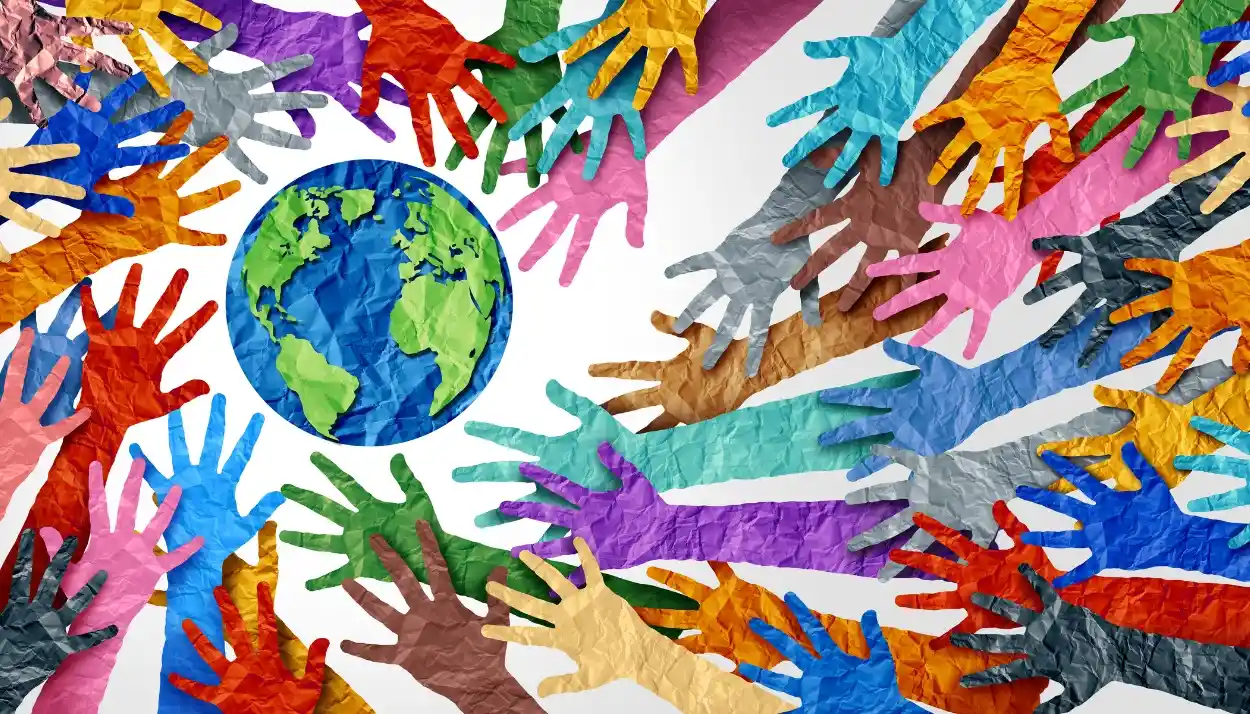
Living In-Between
Diasporic identity is essentially a messy fusion of cultural, linguistic, political, and historical systems (Zhao 2024). There are hundreds of fragments that you must carefully keep together to create a coherent self.
Just as Haraway's cyborg opposed the concept of purity, kids growing up in the diaspora must understand at a young age that they are composed of too much Other to ever be as purely ethnic as their counterparts. Too Asian to be American, for example, or too American to be Asian.
Over time, this hybridity of identities blended into a point of pride. Tiktoks reclaiming ancestral languages, for example, led to people creating music aimed at showcasing their unique blend of mother tongues. Jokes by people from the diaspora about their own experiences spurred a sense of community that was irrelevant to borders or race. In the same way that Cindy Mayweather from The ArchAndroid refuses to be categorized as human or machine, those living in the diaspora do the same: they refuse to pick between identities.
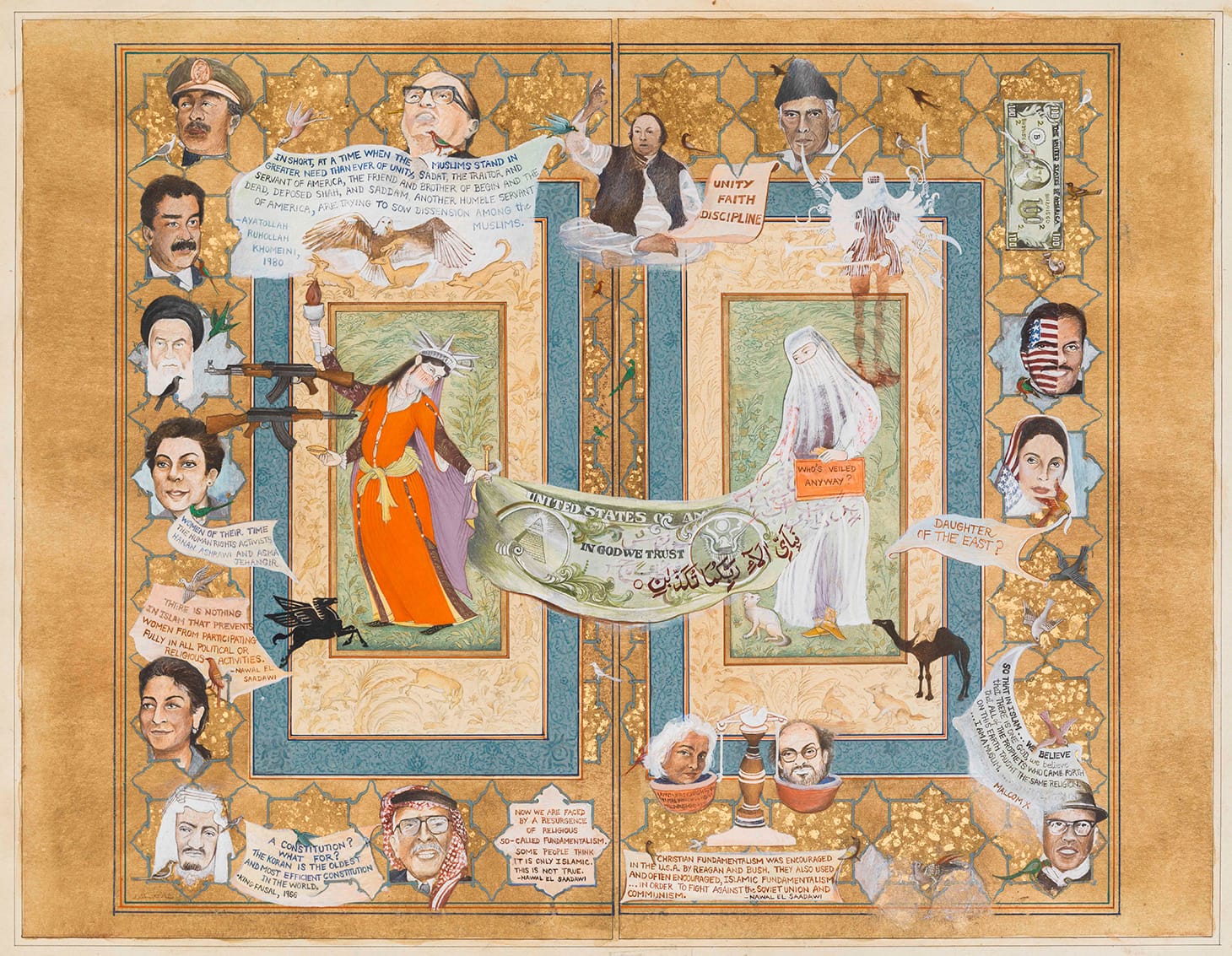
The Dictation of Space
Who decides what "real" culture is? Who has the authority to police identity? What counts as fluent enough? How do you learn your history when history books were dipped in White ink?
Often, we are taught to respect the boundaries of race and identity without question. Accept tradition blindly, and if you are less than a certain percentage of a race, do not claim to be it.
Gen-Z has pushed against this, choosing instead to engineer their self-images. People are building selves that are fluid, adaptive, and contrary to the binaries imposed on gender, boundary lines, and census boxes.
Case, the protagonist in Neuromancer, describes a world where identity is distributed and updated constantly. Reality is the same way; as people grow, their identities shift. Someone can learn more about a culture they've lost touch with, updating their identity through their own hard work and determination.
References
Bamberger et al. (2021). Diaspora, internationalization and higher education. British Journal of Educational Studies, 69(5), 501–511. https://doi.org/10.1080/00071005.2021.1966282.
Haddow G. Embodiment and everyday cyborgs: Technologies that alter subjectivity [Internet]. Manchester (UK): Manchester University Press; 2021. Chapter 3, Reclaiming the cyborg.
Zhao Z. (2024). Diasporic Identity in Contemporary Sinophone Literature: The Role of Language and Cultural Elements. Journal of psycholinguistic research, 53(1), 13. https://doi.org/10.1007/s10936-024-10058-9