Intro
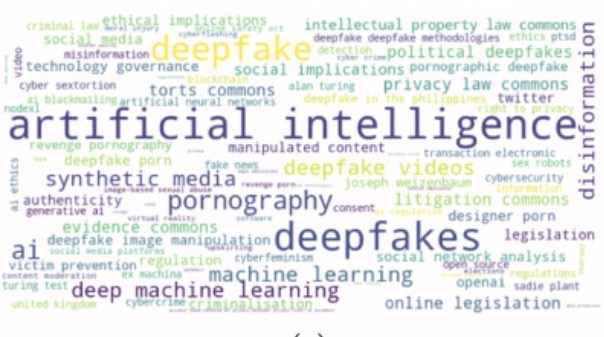
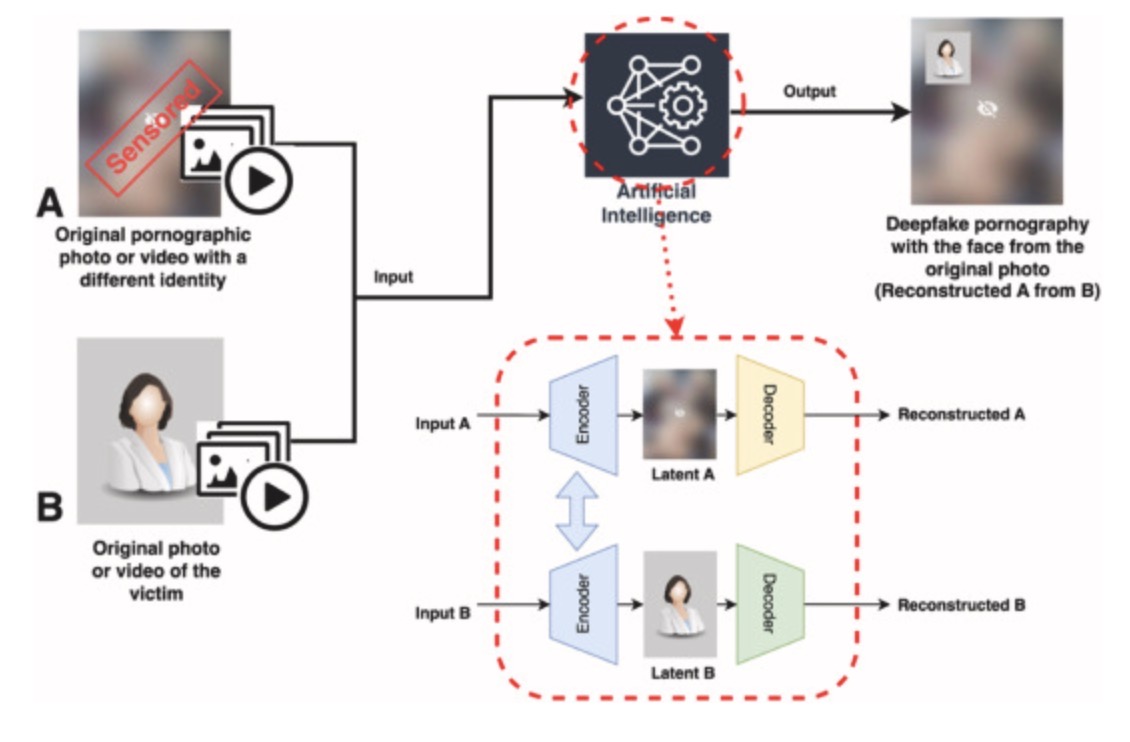
With the increase of technological abilities arrives new evils. Deepfakes are AI generated images, videos, or audio that make people appear to say and or do things that never actually happened. Deepfakes used for the purpose of producing pornographic content is especially dangerous . These harmful images and audios transcend any singular country. This problem is worldwide and is growingly difficult to contain without violating any rights or banning technology completely. Deepfake technology is capable of making content based on a description as well as curating images of a specific person of your choosing doing actions based on your own fruition as well. Deepfake technology heavily relies on artificial neural networks where computer systems recognize patterns in data. These neural networks feed images and videos and are essentially “trained” to dissect it and replicate those same patterns. The possibilities are endless and hard to contain, thus making the dangers and impact insurmountable.
Breakdown
When we take a step back and examine deepfake we have to consider who these harmful videos benefit.
For starters the tech companies that make it possible for deepfakes to be generated are indirectly benefiting. An increase in deepfakes leads to an increase in the demand for AI tools, causes more platform engagement, and ultimately ends in a substantial economic benefit by making them more money. Aside from the tech companies, the users benefit. The users get to see content with their person or people of choice without having to work out the logistics of making their dreams a reality. They can see their favorite celebrities, friends , neighbors, or even coworkers in 18+ materials in the drop of a dime. Additionally we can peel back another layer and the people creating this content can in return potentially blackmail and extort their victims by threatening to release the content. Not only do the victims of these contents suffer but the increase of misinformation affect societies ability to trust digital images.
 Questions
As deepfake technology continues to become more advanced it poses a serious threat and evokes us to think of current and future repercussions. For instance how can we as humans accurately decipher AI generated content from real content? If 18+ material can be made so easily, what's to stop content creators from targeting children, and what does that mean for rates of sexual crimes committed against children for the future? What's to stop people from claiming that real content is AI generated?Also as we see the damage this technology is capable of dealing, how do we begin to regulate harm without having to ban technology as a whole?
Statistics
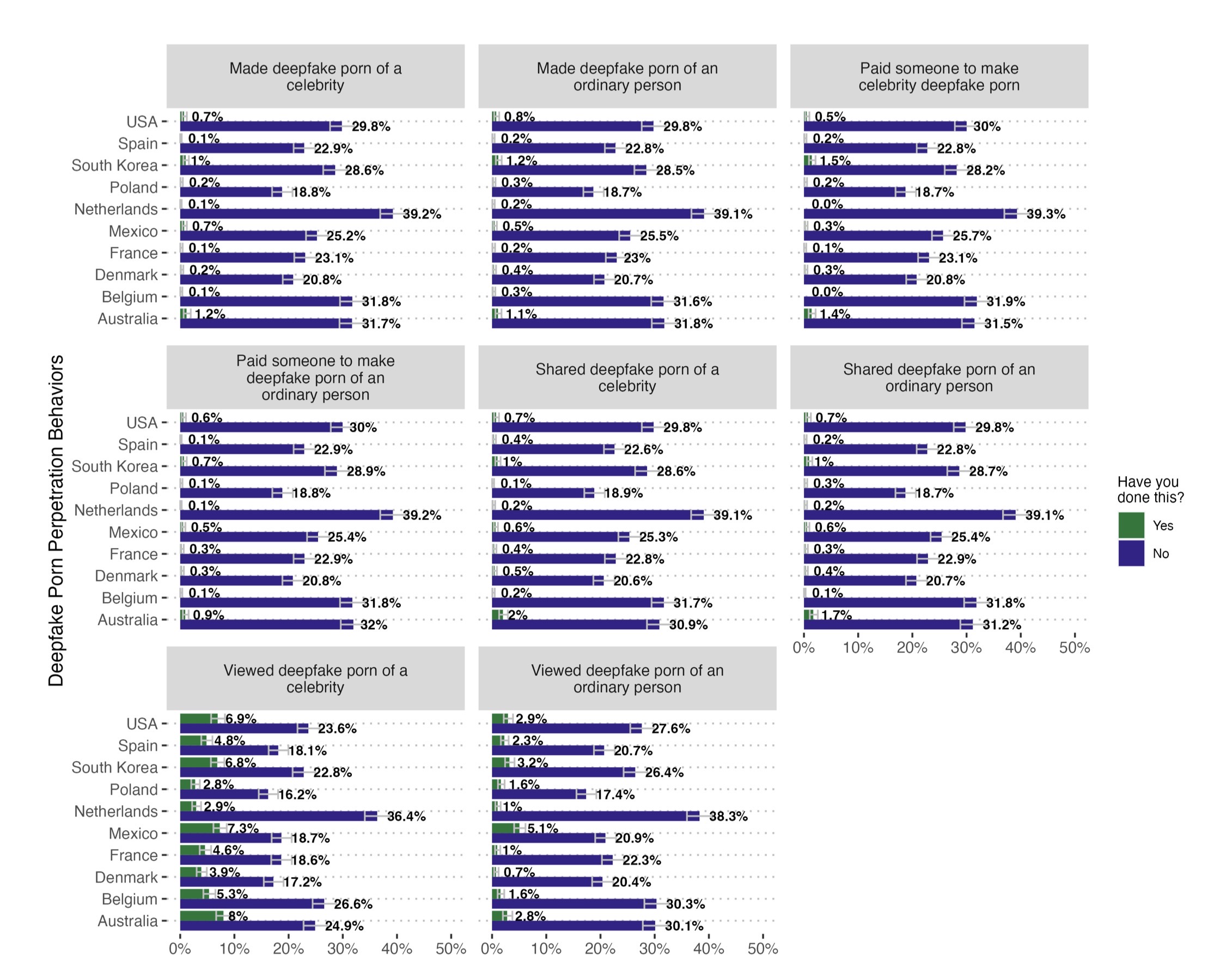
In the article Social, legal and ethical implications of AI-Genrated deepfakes pornogrpahy on digital platforms: A systematic literature review, researchers conducted a study to see the statistical findings of how big of an impact deepfake technology has on our society. Research showed that from 2019 to 2023 there has been a 550% increase in deepfake videos. Of that, 99% were of pornographic nature, and within that 99%, 98% of the videos produced were depicting content of women and young girls. These findings indicate a clear pattern of gender based targeting. The curation of 18+ material using AI has a heavy impact on its victims. Many women within this study were found to have suffered deep psychological trauma leaving side effects of anxiety and emotional distress, which is exacerbated as the content is spread onto platforms that are difficult to regulate and control. No matter the social status of the victim, deepfakes have the potential to harm not only the person's public image, but also their careers.
 Counteract
As difficult of a problem deepfakes are to tackle, there have been attempts to contain and reduce these cyber crimes. In May of 2025 President Donald Trump signed the Take It Down Act. This law was created to enact stricter penalties for the distribution of deepfakes, as well as revenge porn and other non consensual 18+ content. The fundamentals behind the act is that if a victim contacts a platform to which their deepfake content has been posted on, the platform has 48 hours to take it down and take steps to erase all duplicates as well. The penalty for failure to take down the material is mandatory restitution and criminal penalties, including prison, a fine or both.
Connection
Deepfakes can be linked to cyberpunk because we have described technology dynamics within our society. We've discussed corporations overriding ethics and technology exploiting bodies through high tech, low life principles. As well as identity becoming fragmented and commodified.
More specifically Deepfakes can be connected to the second industrial revolution. Just as the second industrial resolution produced automation and new technologies that fundamentally changed how images were produced and distributed, deepfakes represent a modern version of those same principles. In the second industrial revolution machines relied on human labor, these deepfake technologies still need to rely on a human creator to prompt them. Both the second industrial revolution and deepfake technology demonstrated a technological shift which led to questions about authenticity and control over identity.
Sources
Furizal, F., Ma’arif, A., Maghfiroh, H., Suwarno, I., Prayogi, D., Kariyamin, K., Lonang, S., & Sharkawy, A.-N. (2025). Social, legal, and ethical implications of AI-Generated deepfake pornography on digital platforms: A systematic literature review. Social Sciences & Humanities Open, 12, 101882. https://doi.org/10.1016/j.ssaho.2025.101882
AP News. (2025, April 29). President Trump signs Take It Down Act, addressing nonconsensual deepfakes. What is it? AP News. https://apnews.com/article/take-it-down-deepfake-trump-melania-first-amendment-741a6e525e81e5e3d8843aac20de8615
U.S. Government Accountability Office. (2020, October 20). Deconstructing deepfakes—How do they work and what are the risks? U.S. GAO WatchBlog. https://www.gao.gov/blog/deconstructing-deepfakes-how-do-they-work-and-what-are-risks
TAKE IT DOWN Act, S. 146, 119th Cong. (2025). Congress.gov. https://www.congress.gov/bill/119th-congress/senate-bill/146