Hi guys! GRWM to build my personal brand! If you're new here, welcome to my channel! I’m Modesola, and this is a day in the life of someone who is also their own product.
Scroll through any social media platform, and you will see it immediately: people are sharing content and at the same time becoming it. The rise of the creator economy has turned identity into something hybrid, fluid, and performative. A creator today exists as a person, a brand, a data profile, and a set of metrics tracked by an algorithm. Through Donna Haraway’s cyborg theory and Janelle Monáe’s android persona in The ArchAndroid, this hybrid identity reads as a cyborg self that carries both new forms of liberation and new forms of control.
Becoming the Brand Self
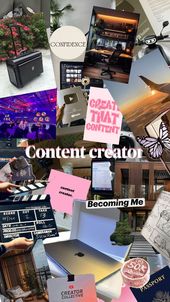 The creator economy has opened real pathways for people to shape their own public identities and income streams. Recent reporting on the “Creator Economy 3.0” describes creators building direct relationships with audiences and operating as independent brand entities rather than relying on traditional corporate gatekeepers (Malik, 2024). This shift gives individuals space to define their own voice, aesthetic, and narrative. Haraway’s cyborg rejects fixed categories and stable boundaries, and in this sense, the creator becomes a hybrid subject who moves between worker, artist, entrepreneur, and persona. Monáe’s android identity in The ArchAndroid offers a parallel example. Her persona crosses lines between human and machine, performance and self, using hybridity as a form of expression and resistance. In the creator economy, people construct public selves that can challenge expectations around gender, race, class, and profession.
When the Algorithm Edits the Self
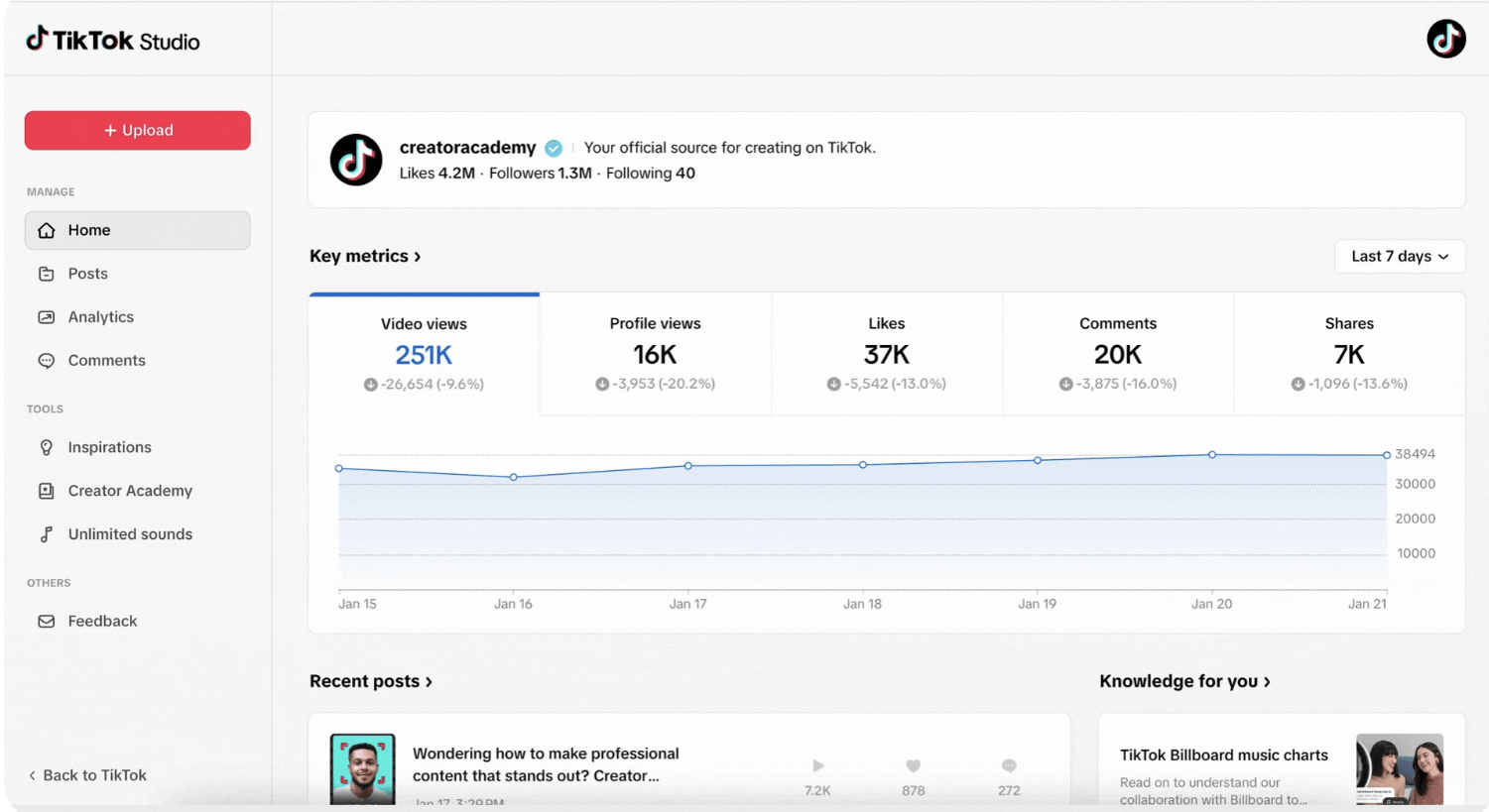 At the same time, the systems that enable visibility also shape how identity appears. One account of creator labor describes how the most popular posts are often the least honest ones because they align more closely with platform incentives and audience expectations (Glass, 2024). This points to a subtle shift. Identity becomes something that is adjusted, curated, and optimized for reach. The algorithm does not simply distribute content. It rewards certain forms of self-presentation and discourages others. Haraway’s idea of the informatics of domination helps explain this dynamic. Technological systems organize social relations and influence what kinds of identities gain visibility. In this environment, the self is expressive and strategic at the same time, shaped by both personal intention and platform logic.
Freedom with a Cost
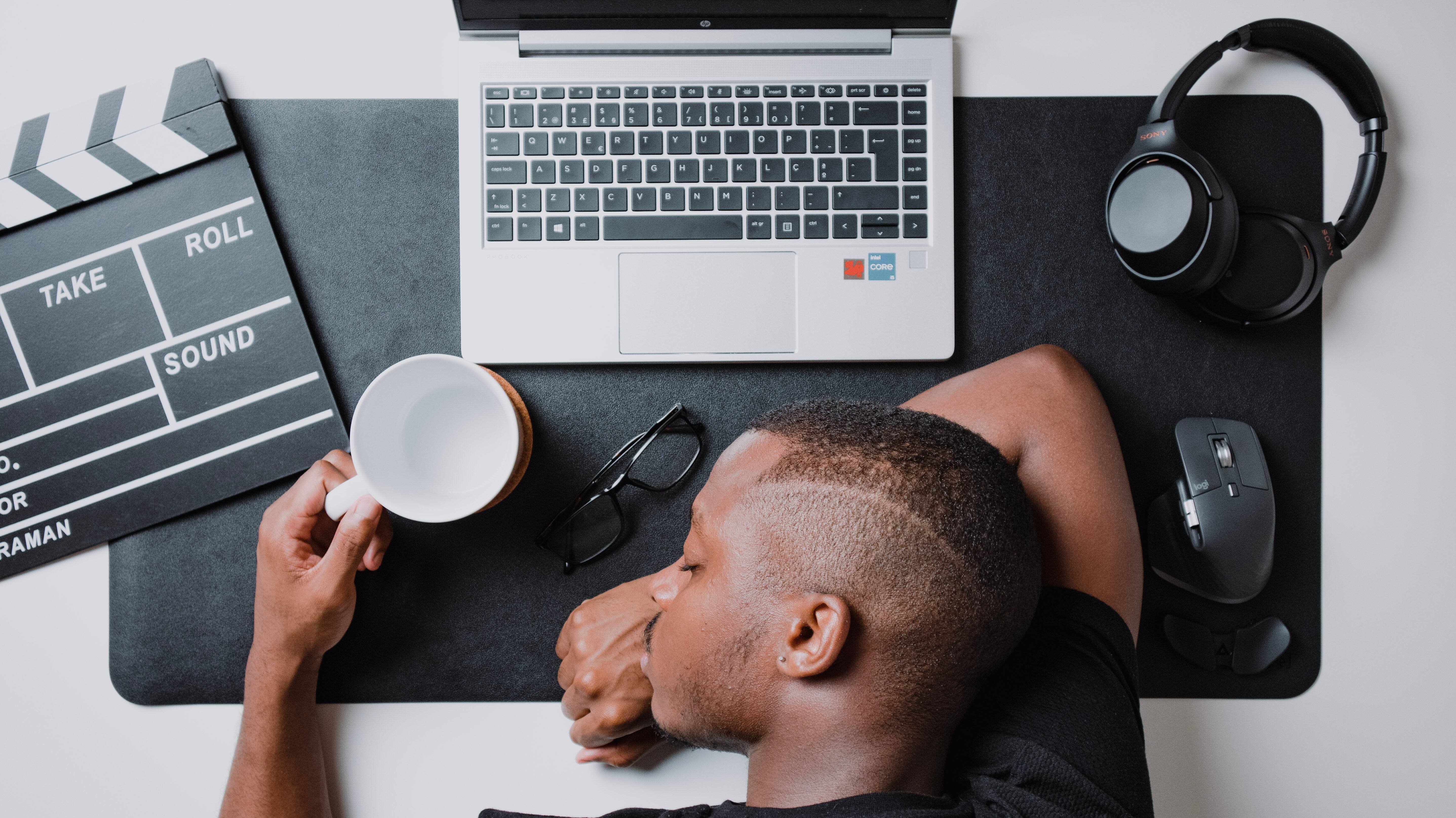 The pressure created by these systems has real effects on creators’ lives. Reports on influencer burnout describe constant expectations to produce, maintain engagement, and remain visible, which often lead to exhaustion and reduced creative autonomy (“Invisible influencer burnout,” 2024). The boundary between personal identity and labor becomes difficult to separate. The hybrid self that once felt empowering can begin to feel like a responsibility that never turns off. The creator gains independence from traditional workplaces, yet becomes accountable to an ongoing stream of metrics and performance signals. This reflects the tension at the center of both Haraway’s cyborg and Monáe’s android. Hybridity opens space for new identities and new freedoms, while still operating within systems of power that shape how those identities are expressed and valued.
Designing the Self in the Next Generation
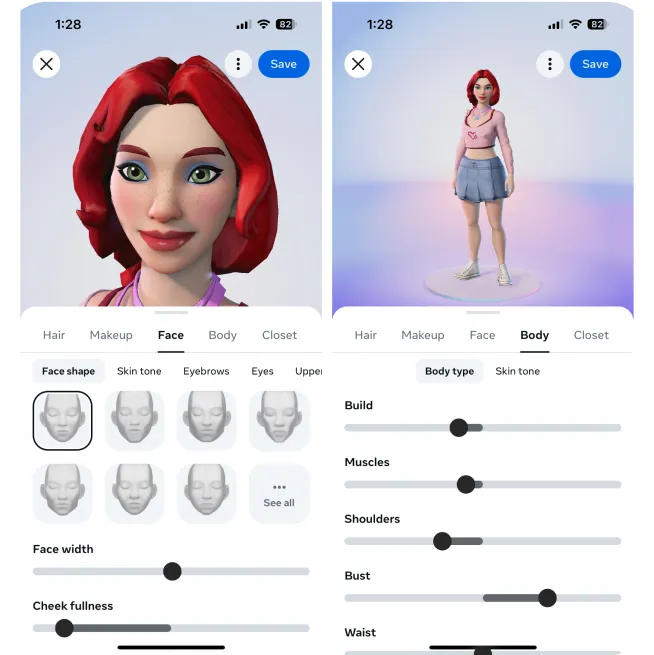 Looking ahead, this hybrid identity will likely become even more complex. Over the next 20 to 30 years, creators may manage multiple digital selves across different platforms, supported by AI tools that help generate content, analyze audiences, and even perform parts of identity. Virtual influencers and avatar-based personas may become more common, allowing people to design forms of selfhood that are not tied to a single physical body. This could expand opportunities for expression and allow marginalized voices to build identities outside restrictive social categories. At the same time, these identities may be more deeply shaped by platform governance, data ownership, and algorithmic visibility. The future of the creator economy may involve both expanded freedom to construct identity and more sophisticated systems that guide and evaluate those constructions.
So maybe the real shift is not just about becoming cyborgs. It is about learning how to live inside identities that we are constantly building, editing, and negotiating in public. Every post is a small decision about who we are and how we want to be seen, even when those choices are shaped by systems we do not fully control. Haraway’s cyborg and Monáe’s android remind us that hybrid identity can still be a site of creativity and resistance. The challenge is figuring out how to move within these systems without giving up ownership of the selves we are trying to create.
Anyway, that’s it for today, guys! Don’t forget to like, comment, subscribe, and think about which version of yourself you want the world to see next.
References
(2025, December 26). Invisible influencer burnout: When algorithm trumps creativity. CE Noticias Financieras English. https://advance.lexis.com/api/document?collection=news&id=urn%3acontentItem%3a6HHM-YF73-RXGV-T2TV-00000-00&context=1519360&identityprofileid=NZ9N7751352
Glass, M. (2026, February 2). I finally understood why my most liked posts are the least honest ones. DMNews. https://advance.lexis.com/api/document?collection=news&id=urn%3acontentItem%3a6HTK-P7F3-S2G4-M42J-00000-00&context=1519360&identityprofileid=NZ9N7751352
Malik, S. (2026, February 16). Creator Economy 3.0: From Sponsored Posts to Brand Co. Agency Reporter. https://advance.lexis.com/api/document?collection=news&id=urn%3acontentItem%3a6HXY-R0G3-RRV5-908X-00000-00&context=1519360&identityprofileid=NZ9N7751352
AI Attestation
The content of this post is my own, and AI was used only to assist with planning and editing.